The Significance of the Red Rule in Interior Design

Red Rule in Interior Design

A TikTok video on the “unexpected red theory” hit over 800,000 views. This shows how using bold red in decor is more popular. It’s not just in fashion but also in our homes. Adding red is changing how we design interiors.

Red changes how we feel when used right in a room. It stands out and draws everyone’s eye. With the right approach, red can make a big difference in your home. Learn from the experts and about color theory to get the best out of red.

Key Takeaways

  • The rise of the “Unexpected Red Theory” on social media platforms like TikTok highlights the growing popularity of using red accents in interior design.
  • Red is a highly visible and attention-grabbing color that can have a significant impact on the mood and atmosphere of a space.
  • Incorporating red accents aligns with the principles of color theory and can create visually striking design elements.
  • Strategically using red in interior design can transform a space and align with personal style preferences.
  • Understanding the science behind the power of red and expert insights can help you incorporate it effectively in your living spaces.

Unveiling the ‘Unexpected Red Theory’

The “Unexpected Red Theory” has caught the eye of many in the interior design field. It has gained notable fame on TikTok thanks to a video by Taylor Simon. This new idea says that adding a bit of red can raise a room’s design, even if it doesn’t match the other colors.

TikTok Creator Taylor Simon’s Viral Trend

Simon’s video on TikTok has over 900,000 views. It showcases homes and hotels that follow the “unexpected red theory” with amazing results. In the UK, a red dining table stands out. And the W Budapest hotel shows off bold red sofas and tables. It proves that a little red can bring character and style to a room.

The Science Behind Incorporating Red Accents

Many think the “unexpected red theory” is just a trend. But experts in color say otherwise. Red adds contrast and catches the eye. It’s a great choice for design when used carefully. Designers find that red boosts energy and starts conversations. It’s good for adding a unique touch to any room.

Adding red to a room can change its vibe. It might make the room feel exciting or warm, depending on what you want. Experts suggest using red sparingly in some rooms, or boldly in others. This way, it fits with the rest of your design but still stands out.

Red interior design trends

The fashion world has recently loved red more. This love for red has also spread to home decor.

As designers and homeowners look more into using red, they’re finding exciting new ways. This idea has inspired many to use red boldly in their designs. The result? Spaces that feel lively, memorable, and inviting.

Color Theory and the Power of Red

Understanding color theory is important when you want to use strong and bright red in your home design. It’s key to pick colors that go together well to truly use red’s power. By knowing how colors play off each other, designers can make sure red adds to a room’s look. This helps make the space look great and feel unified.

Complementary Colors and Harmonious Pairings

Red can make a room feel lively, warm, and even a bit dramatic. It works well with colors opposite each other on the color wheel, like red and green or orange and blue. These combos stand out and catch the eye. Colors next to each other on the wheel, such as yellow and purple, can also give a room a peaceful, balanced look.

Experts in design know how to use red to create different feelings in a room. A trendy method suggests adding small red touches for a unique touch, instead of painting whole rooms red. This method lets you play with red in a way that keeps your home looking calm and coordinated.

Color theory

Red fits in well with any home decor trend because it’s a timeless color. It can be bright and bold or earthy and warm. Knowing how to pair red with the right colors can make your home look stunning.

Color RelationshipDescriptionExamples
Complementary ColorsColors that sit opposite each other on the color wheel, providing excellent contrast.Red and green, orange and blue, yellow and purple
Analogous ColorsColors that are adjacent to each other on the color wheel, creating a harmonious palette.Red, orange, and yellow; blue, green, and cyan
Primary ColorsThe three fundamental colors from which all other colors are derived: red, yellow, and blue.Red, yellow, blue
Secondary ColorsColors created by mixing two primary colors.Green, orange, violet
Tertiary ColorsColors created by mixing a primary and a secondary color.Red-orange, blue-green, yellow-orange

Using red well and knowing its place in color theory can help everyone create homes they love. Pairing red with the right colors can make any space look beautiful. It can also set a mood that people will remember.

Red Rule in Interior Design: A Timeless Technique

The “Unexpected Red Theory” appears new but using red well in design is timeless. Designers know a pop of red can do wonders in a room. It might be a big eye-catching piece, a lively wall, or just a small hint with fabrics and items. Knowing the power of red helps make places look great and feel right.

The 60-30-10 rule is great for those who want to add red tastefully. It’s a way to put colors like red in a room without it being too much. It says use the main color for most things, a less used color for a good bit, and just a bit of a bright color. So, red can be in big parts like the wall or small parts like a pillow.

Some designers use a 70-20-10 rule instead. It mixes colors a little differently but still keeps things looking good. Others might even stretch the 60-30-10 rule to 110%. This way, they can add a touch of another accent color. It gives more options but keeps the room well-balanced.

Using red is more than just picking a color. It’s about the vibe you want in a space. Red can make you feel more alive or add drama. Placing red the right way can make your room feel elegant or full of life.

The Unexpected Red Theory is a new way to think about using red. It’s not just about walls or big items. This trend says try to use red in different, surprising ways. It might be on something small that still makes a big impact.

People are always looking for ways to make their homes special. The red rule in design is still popular because it works so well. Knowing about colors and how they make us feel helps create beautiful rooms. These rooms can show off personal style and feel just right.

Embracing the Pop of Red

The bold pop of red is becoming a favorite in fashion and decor. It can change a space right away with its energy and style. In 2024, red will be more popular than the pinks of 2023.

Incorporating Red in Fashion and Home Decor

Designers are putting bright red in clothes and living spaces. They say using red a little can make a big difference. Too much red might be too strong, but a bit can really style up a room.

Red is full of energy and symbolizes passion in decor. It works well with other colors, creating a lively look. It’s especially great in kitchens this year.

If you’re not sure about bright red, try deeper shades like maroon. These colors can be stylish yet not too loud. Adding some red touches through items like blankets or wall art is a good start.

Using red in decor can make a room exciting and cover flaws. This trend back to primary colors, including red, is influenced by TikTok, as noted by designer Taylor Simon.

Primary colors, when used right, can liven up a space without taking away from its style. Red, especially in softer shades, makes a room cozy and vibrant. You can easily add red with things like pillows and lights.

Adding red to your fashion and decor choices can make your space stand out. It shows off your style and adds energy and passion all around you.

Expert Insights on Using Red Wisely

Finding the Right Balance and Intensity

Interior designers love the power of the color red, but they also warn about using it wisely. They suggest starting small with red, like with some small accents. This helps keep your space from feeling too intense with red.

They say adding small red touches at first is a good idea. Then, you can slowly add more red. Making sure it looks good with your other colors is key. This approach can help you create a place that stands out, beautifully.

Here are tips to get the right amount of red in your design:

  • Incorporate red subtly through elements such as throw pillows or art.
  • Use red as an accent to boost a room’s charm, not as the main color.
  • Try various shades of red to see what works best for your space.
  • Mix red with other colors and textures for a cohesive look.

Follow these expert tips to make red work in your space. Remember, balancing the right amount and shade of red is crucial.

“The use of red in interior design should be approached with care. It’s a powerful color that can easily overwhelm a space if not used judiciously. Striking the right balance and intensity is crucial to creating a visually stunning and harmonious environment.”

Interior Design Expert, Dream Home Digest

ColorEmotional ImpactBest Suited for Spaces
RedEnergetic, bold, increases heart rate and excitementHome office, entryway
BlueCalming, lowers blood pressure and heart rateBedroom, living room, den
GreenNatural, refreshing, relieves stress and boosts creativityKitchen, bathroom, rejuvenating spaces
YellowCheerful, bright, stimulates happiness and optimismUsed sparingly, as it can increase anxiety
OrangeEnergetic, cheerful, mood booster and appetite stimulantKitchens, casual living spaces
PurpleLuxurious, imaginative, can seem overindulgent in excessBedroom, creative studio

Knowing about color psychology can help you set up your home perfectly. This knowledge helps make sure your space is not just beautiful, but also feels right.

Conclusion

The “red rule” in interior design has become a bold trend. It allows homeowners to make their spaces more striking. The use of red, whether it’s a wall, a piece of furniture, or in smaller details, can create stunning interiors. This is because red catches the eye and stirs emotions.

Adding red to your interiors can be a game-changer. It helps in making your space unforgettable and impressive. Red brings a sense of energy and individuality, affecting both you and your guests. It’s a versatile color that can be used in many ways to enhance your home’s look.

When using the “red rule,” finding the right balance and intensity is crucial. A good understanding of color psychology and the visual impact of red is also important. By experimenting and being open to new ideas, you can make your space stand out. Let red inspire you to create a home that truly represents your style and vision.

FAQ

What is the "Unexpected Red Theory" in interior design?

The “Unexpected Red Theory” has become popular on TikTok. It suggests that adding even a little bit of red can make a big difference. This might be through a bold red piece or just a small hint of the color. The key is how it catches the eye, even if it’s not a perfect match for the room’s colors.

How does color theory explain the power of red in interior design?

Color experts say red stands out because it creates contrast. It often becomes the center of attention in a room. The trick is to use it in a way that fits well with the other colors. Knowing which colors work best with red is important.

Is the use of red in interior design a new trend?

Not at all. Using red well in interior design has always been a smart move. Designers have known for a long time that a dash of red can liven up a space. It might be a strong piece, a bright wall, or a small detail in the room.

How can homeowners incorporate the "pop of red" trend into their interior design?

Homeowners can make a big impact by adding a vibrant red to a quiet room. This makes for a clear focal point. It could be a bold furniture item, a vivid piece of art, or colorful fabrics.

What should homeowners consider when using red in their interior design?

Using red calls for some caution. It’s a strong color that easily catches the eye. The goal is to use it in ways that show off its power without it taking over. Start with small red touches. Then, see how you can add more. Make sure the red works well with the room’s other colors.

Source Links

Explaining the 80-20 Rule in Interior Design

80-20 Rule in Interior Design

Did you know the 80-20 rule could change how you design your home? The Pareto Principle says 80% of the impact comes from just 20% of the effort. It works great for making your home both beautiful and useful. You focus on a few key design choices to make everything look and feel right.

This idea suggests starting with a simple look. Then, you add 20% of bold colors, patterns, and unique items. This is to keep your space from feeling too busy. It makes your choices really stand out and work together well.

Key Takeaways

  • The 80-20 rule means most of your design should be simple, with a few standout pieces for flair.
  • It helps you make rooms that look good and work well, without too many things.
  • You can change the 80-20 balance to fit a small or large room, or any style you like.
  • Having the mix right between basic and standout items is crucial for a good look.
  • This rule can guide your choices for colors, furniture, decor, and even artwork.

What is the 80-20 Rule?

The 80-20 rule is all about balance and beauty in your home. It was named after an Italian economist named Vilfredo Pareto. He noticed 80% of the land in Italy was owned by just 20% of its people. This idea tells us we should focus most of our decorating energy on a basic, calm palette. Then, we can sprinkle in some fun with the last 20% through vibrant colors and cool designs. It’s a great way to make your space both relaxing and interesting.

The Origins of the Pareto Principle

Vilfredo Pareto first saw the 80-20 balance in Italy’s land ownership. He realized this balance was not just in land but in many parts of life. It’s a common pattern in business, science, and how we manage money. So, focusing our efforts where they matter most can make a big difference.

Understanding the 80-20 Rule in Decorating

In home design, focusing 80% of the design on a light, pleasing base is key. Think of calm colors and simple furniture for this part. Then, use 20% for exciting items like bright pillows or unique art pieces. This mix makes a space that’s both peaceful and lively.

Consider a living room design, where most is simple and light. Add a few bold pillows, a standout light, and personal art. This 80-20 mix ensures your home feels thoughtful and inviting, not busy.

80-20 Rule in Interior Design

“The Pareto Principle, or the 80-20 Rule, suggests that 80% of outcomes result from 20% of causes; efficiency in inputs and outputs are not evenly distributed.”

Applying the 80-20 Rule in Interior Design

The 80-20 Rule makes any space look great. It helps you design rooms that are both calm and exciting. This lets your style shine through.

Color Schemes and Palettes

Color choices are key with the 80-20 Rule. Use mostly neutral colors, about 80% of a room’s color scheme. Think of shades like white, beige, and gray as your main act. They make the room peaceful and go well together.

Then, pop in some bold colors for the other 20%. This adds life and personality. It’s how you make your room feel inviting yet lively, following the 80-20 Rule in Interior Design.

Furniture and Decor

Think about furniture and decor with the same rule. Go for neutral pieces 80% of the time. These should blend well with your design without fuss.

For the other 20%, choose unique items or decor accents. This is where you show your personal flair. Mixing in special pieces this way makes your space not only beautiful but also a place that says something about you. It’s a recipe for a stunning and Dream Home Digest-editorial home.

Using the 80-20 Rule for both colors and furniture is smart. It keeps your room from looking too busy. Yet, it’s still interesting, reflecting your unique style in a balanced way.

80-20 Rule in Interior Design

“The 80-20 design rule allocates 80% of the room to follow one main philosophy, style, and color, while the remaining 20% is used to explore and add a different touch.”

The Benefits of the 80-20 Rule in Interior Design

Using the 80-20 rule in interior design has many perks. It helps make your space look peaceful and unified. You spend 80% of your effort on basics, keeping things calm. Then, the other 20% goes to fun colors and special items. This makes your room interesting but not overwhelming.

The 80-20 rule aids in smart planning. It lets you see what pieces are crucial for the look you want. This also makes it easier to keep your space tidy. You focus on the important 20%, skipping the extra stuff.

Applying the 80-20 rule leads to a balanced design. It flows smoothly and feels just right. This method is key in making your house a personal and stylish sanctuary. The Dream Home Digest shows how effective this can be.

“The 80-20 rule in interior design suggests having 80% of the interior unified by the same style, period, or philosophy, with the remaining 20% available for deviation.”
– American Institute of Interior Design

Ready for a room makeover or home renovation? The 80-20 rule is your answer. It ensures your place not only looks good but suits your needs and tastes too.

80-20 Rule in Interior Design

The 80-20 rule is a key strategy in interior design. It helps you make spaces beautiful and useful. You focus 80% on a simple, neutral base and use the other 20% for color and standout décor. This keeps your space looking clean, not cluttered.

This principle is useful for choosing colors, furniture, and decorations. It ensures everything fits well together. By sticking to it, your space will look organized and reflect your taste.

Dedicating most of the effort to a common theme makes a room feel whole. The extra 20% lets you add personal flair. This brings life and interest to the design.

Whether you’re redecorating a room or your whole house, the 80-20 rule helps. It leads to designs that are not only beautiful but also practical. It’s a great strategy in interior design.

Design StylePercentage of Space
Unified Foundation80%
Unique Accents20%

Using the 80-20 rule combines simplicity with unique style. Your space will look coordinated and beautiful. This helps it be both your style and easy to live in.

“The 80-20 rule in interior design suggests that 80% of dĂ©cor should be of the predominant style while the remaining 20% should be from a different design period.” – American Institute of Interior Design

No matter your design experience, the 80-20 rule is handy. It can turn your space into a Dream Home Digest feature. This rule makes your design stunning and practical.

Examples of the 80-20 Rule in Action

The 80-20 Rule in Interior Design can really work from your living room to your bedroom. It’s about finding the right balance. It helps make your spaces look good and work well, all while showing off your personal style.

Living Room Design

In your living room, start with the 80%. Think: a calm, neutral sofa, a beige area rug, and clean, white walls. This part sets a relaxing mood. Then, for the exciting 20%, add in vivid throw pillows, a standout coffee table, and eye-catching art. These pops of color and style make the room interesting and unique.

Bedroom Design

For your bedroom, begin with a peaceful 80%. Use a neutral bed frame, crisp white bedding, and soft-colored walls. This simple base is all about calmness. Next, enliven the space with a patterned chair, a lively throw blanket, and art on the walls. These details bring warmth and personal flair to your room.

Remember the 80-20 Rule in Interior Design. It helps you create rooms that are both beautiful and true to you. Focus on the main elements. Then, add in special details that really make the space uniquely yours.

“The critical 20% of a design solution is where the brand experience is captured.”

To make the 80-20 Rule work, pick the key 80% wisely. Then, bring in the 20% to make your style shine. This way, your rooms will not only look great but also be places that make you happy.

Breaking the Rules: When to Deviate from the 80-20 Ratio

The 80-20 Rule in Interior Design is a solid guideline, not a must-follow rule. Sometimes, it’s smart to mix things up. This is especially true in smaller spaces or themed rooms. Here, a 70-30 or 60-40 split might be better for your style.

Being flexible is important in interior design. You want a space that truly reflects you while meeting your needs. So, feel free to tweak the 80-20 rule to match what you love and what the space requires.

The 80-20 rule is just a starting idea. By breaking from it, you can discover new ways to create amazing spaces. Design your home to match your Dream Home Digest vision, not just following a strict rule.

“The 80-20 rule is a helpful guideline, but it shouldn’t be seen as a rigid constraint. Interior design is about finding the right balance between structure and flexibility to create a space that truly reflects your personal style.”

Don’t shy away from trying different ratios that better fit your taste and needs. It’s about staying true to what you like and why you’re using the space. With creativity and an open mind, you can make a truly unique design.

In the end, the 80-20 Rule in Interior Design is just a starting place. Embrace a flexible approach to make the most of your Dream Home Digest. Your space will be both useful and beautiful.

Conclusion

The 80-20 Rule in Interior Design is a key concept. It helps make your space look amazing and work well easily. By focusing 80% on a simple, neutral base and 20% on colorful accents, you get a pleasing balance. This lets you think simply, getting the most out of what you pick.

If you’re starting anew or just changing things up, the 80-20 Rule is a great help. It guides you to make a space that’s both pretty and useful. But remember, it’s a tip, not strict rules. Feel free to adjust it to what you like and what your home needs.

Adopting the design principles of the 80-20 Rule changes your rooms for the better. It helps you focus on what really matters. This can work for anyone, from pros to those doing it themselves. With this rule, creating your perfect Dream Home Digest is within reach.

FAQ

What is the 80-20 rule in interior design?

The 80-20 rule is a concept in interior design. It says that most of the room’s impact comes from a few key elements. Here, 80% of the design focuses on a simple, neutral theme. Then, 20% is for adding in color, pattern, and personal touches.

Where did the 80-20 rule originate from?

Vilfredo Pareto, an economist from Italy, first noted the 80-20 rule. He saw that a small group owned most of the land. This idea, also called the Pareto Principle, can be seen in interior design too.

How can the 80-20 rule be applied in interior design?

To use the 80-20 rule in design, pick a main color and style for 80% of the space. This might include using mostly white or gray. Then, for the last 20%, bring in fun with bright colors, unique patterns, or cool textures. Think about adding things like bold pillows, art, or a funky light fixture.

What are the benefits of using the 80-20 rule in interior design?

Following the 80-20 rule helps make a room look put together and relaxing. With most of the space in one soothing color, the room feels calm. The accents in the other 20% keep things interesting without making it too overwhelming. This also helps keep the room organized and free of clutter.

Is the 80-20 rule a rigid rule that must be followed in all interior design projects?

The 80-20 rule is good to keep in mind, but you don’t always have to stick to it. Sometimes, breaking away from this ratio can work better for your design goals or the room’s purpose. The key is to make a space that shows off who you are and how you use the room.

Can you provide examples of how the 80-20 rule can be applied in different room designs?

In a living room, focus on neutrals for the big parts like sofas and walls. Then, use the 20% for fun items like colorful pillows or eye-catching art.

For bedrooms, start with calming neutrals in the bedding and walls. Add a small chair with a bold pattern or a bright throw blanket. Mini galleries on the wall can be part of your 20%, too.

Source Links

A Look at the Life of the Oldest Plumber in History

Oldest Plumber in History

Lorne Figley holds a special record in the Guinness Book of World Records. He was the oldest working plumber. This was confirmed when he was 91 years and 343 days old, on 31 December 2015. Lorne ran Broadway Heating Limited in Saskatoon. He did plumbing, air conditioning work, gas fitting, and sheet metal jobs there. Even though he was retired age, he kept working until he was 96. He wanted to stay busy and help others.

Key Takeaways

  • Lorne Figley was the oldest working plumber, verified at the age of 91 years and 343 days.
  • He owned and operated Broadway Heating Limited in Saskatoon, working as a journeyman in various trades.
  • Despite being well past retirement age, Lorne continued to keep his business open to stay active and assist others.
  • Lorne’s plumbing career spanned an impressive 96 years, making him a true pioneer in the industry.
  • His longevity and dedication to the trade inspire the next generation of plumbers and tradesmen.

Lorne Figley: The Centenarian Tradesman

In plumbing history, few have been the Oldest Plumber in History like Lorne Figley. This centenarian tradesman and veteran plumbing professional have made a big mark. He spent his life perfecting the art of plumbing.

Early Life and Military Service

In 1924, Lorne Figley was born in Sanctuary, Saskatchewan, a small town near Saskatoon. Growing up, he learned many skills on a farm. When World War II started, Figley joined the Royal Canadian Air Force in 1942. He was part of a team that helped find and share information about the enemy.

After the war, Figley went to study at Saskatchewan Polytechnic. There, he began his plumbing training. This started his journey in plumbing, a career that has lasted a lifetime. He is now known as the world’s eldest plumber.

“Plumbing has been my life’s work, and I’m proud to have been able to serve my country and community through this profession for over eight decades.”

Figley’s dedication to plumbing and his community has been outstanding. His work is a model for the plumbing profession across generations.

Oldest Plumber in History

Oldest Plumber in History: A Legacy Forged

Lorne Figley was not just any plumber. He was the world’s eldest plumber. His career shows how hard work and not giving up can make a big difference. Figley worked as a centenarian tradesman and veteran plumbing professional until the last months of his life. This achievement is recognized by the Guinness Book of World Records as the Oldest Plumber in History.

Figley’s dedication and his will to help others were remarkable. Even in his late years, he continued his work. This not only made him a plumbing pioneer but also inspired others in the trade. His plumbing longevity record and plumber’s lifetime achievement are a powerful example. They show how a multi-generational plumbing career can make a mark.

Being the world’s eldest plumber, Figley’s tale has touched people globally. His story highlights the lasting importance of skill work and sharing knowledge from one generation to the next. His commitment to his craft and community won him recognition worldwide. Besides, he is remembered in //plumbersinhemetca.com/ and the Dream Home Digest as a genuine plumbing legend.

“Lorne Figley’s life and work have left an indelible mark on the plumbing industry, inspiring countless individuals to pursue their passions and commit themselves to their craft,” said a spokesperson for the Guinness Book of World Records. “His legacy will continue to inspire and guide future generations of tradespeople for years to come.”

Figley, the oldest plumber in history, reminds us that age shouldn’t limit us. With passion and a strong work ethic, anyone can achieve great things. His journey ensures he is remembered in plumbing history. His name and achievements will inspire for many years to come.

plumbing legacy

A Multi-Generational Plumbing Dynasty

Lorne Figley’s remarkable plumbing career was not just a personal achievement. It was the foundation of a multi-generational dynasty. His dedication to plumbing and mentoring ensured his family’s legacy in plumbing for many years.

Passing the Torch

Lorne’s son, Don Figley, joined him at Broadway Heating Limited. The elder Figley taught Don the trade, making him a skilled plumber. This handover from father to son showed Lorne’s lasting influence.

The Figley family’s plumbing legacy is a great example of passing down a trade. This ensures the world’s eldest plumber‘s legacy lives on after his time. Lorne’s record in plumbing longevity and lifetime achievements opened the door for his family to continue the multi-generational plumbing career.

“Lorne’s dedication to the trade and his willingness to mentor the next generation helped ensure that his family’s plumbing dynasty would continue long after he was gone.”

Passing the Torch

As a centenarian tradesman hands over to his son and future generations. The Figley family’s plumbing legacy shows the value of skilled long-serving plumbers. Their story is an inspiration about dedication, mentorship, and the everlasting nature of plumbing.

Conclusion

Lorne Figley is known as the “Oldest Plumber in History.” His life and career inspire not just plumbers but also entrepreneurs. He worked hard, ready to help others and taught the next generation. This has made him a true plumbing pioneer.

Figley’s story shows us how important hard work and dedication are. Even as he got older, his passion for plumbing never wavered. He showed that age doesn’t limit what you can achieve if you love what you do.

Being the world’s oldest plumber, Lorne Figley broke records and inspired many. His long career as a plumber has had a significant impact on the field. It highlights the value of experienced tradespeople.

Lorne proved that with passion and dedication, a lasting impact can be made. Despite his age, he continued to work and inspire others. As you start your own journey in plumbing, let Lorne’s story motivate you to leave behind a legacy too.

FAQ

Who was Lorne Figley?

Lorne Figley was a plumber from Canada. He became famous as the oldest working plumber, crowned by the Guinness Book of World Records. Born in 1924, he was from Sanctuary, Saskatchewan. Figley worked as a plumber, handling air conditioning and refrigeration, fitting gas, and working with sheet metal. He was the owner of Broadway Heating Limited. He kept working until he was 96 years old.

How did Lorne Figley’s career as a plumber begin?

In his earlier years, Lorne Figley was in the Royal Canadian Air Force. After World War II, he decided to learn a trade. He signed up at the Saskatchewan Polytechnic to become a plumber. With time, he started his own business, Broadway Heating Ltd. There, he did plumbing, worked on heating and cooling systems, and more.

What was Lorne Figley’s remarkable achievement?

Guinness World Records hailed Lorne Figley as the “Oldest Plumber in History.” He kept on plumbing until he was getting close to turning 97. Sadly, he passed away just a bit before that. Yet, his years of hard work earned him a place in the history books as the oldest plumber the world has ever known.

How did Lorne Figley’s plumbing legacy continue after his lifetime?

Lorne Figley’s passion for plumbing and his readiness to share his knowledge ensured his family’s plumbing tradition lived on. His son Don Figley joined him in his work at Broadway Heating Limited. Together, they kept the business flourishing, paving the way for further generations in plumbing.

What is Lorne Figley’s legacy and impact on the plumbing industry?

The story of Lorne Figley, the “Oldest Plumber in History,” inspires people in the plumbing and business fields. His deep commitment, teaching others, and guiding the next generation left a lasting impact on the plumbing world. He is remembered as a pioneer and a real hero of the plumbing industry.

Source Links

Exploring Small Kitchen Appliances and Their Functions

Small Kitchen Appliances

Small kitchen appliances are now key for many homes. They change how we cook and prepare food. Blenders make smoothies and sauces easily. Efficient coffee makers prepare our favorite drinks fast. These powerful tools bring many advantages. In this piece, we’ll look at various small kitchen appliances. We’ll see their functions and how they improve your cooking, no matter your skill level or why you cook.

Key Takeaways

  • Small kitchen appliances change how we cook at home, making it more enjoyable.
  • They help create healthier meals and save space in the kitchen.
  • Coffee Makers, Blenders, Food Processors, and others up your cooking game.
  • Learning what these appliances can do is smart. It helps you cook better and faster.
  • This article shows how small kitchen gadgets improve your cooking experience.

What are Small Kitchen Appliances

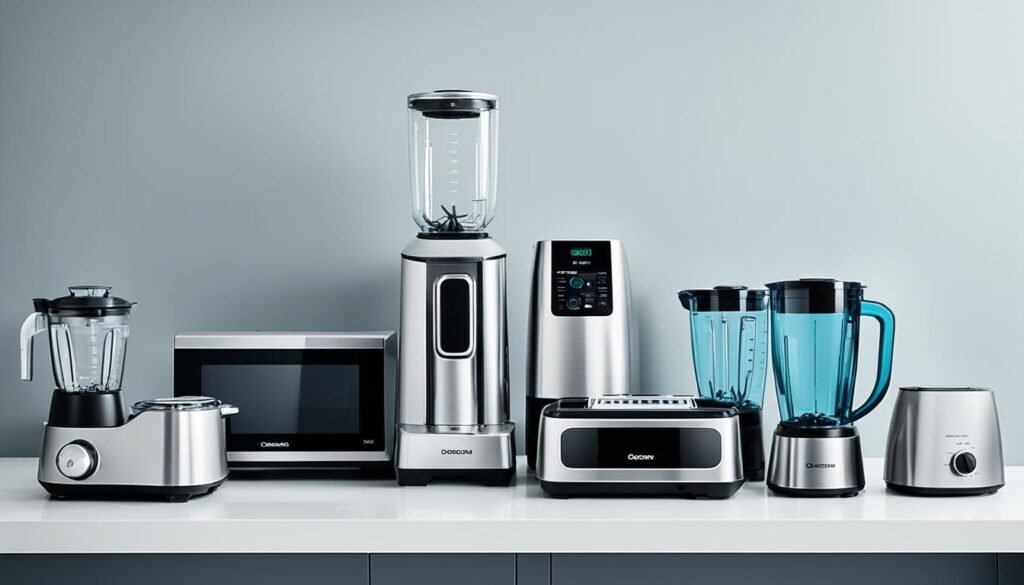
Small kitchen appliances are handy gadgets that make cooking easier. They are light and fit neatly in small spaces. Products like microwave ovens, coffee machines, and toasters are part of this group.

Unlike big kitchen tools, they don’t take up much room. You can use them for simple cooking tasks or complex recipes. They’re perfect for anyone looking to save space in the kitchen.

Definition and Examples of Small Kitchen Appliances

These appliances are small but mighty. They can help you prepare almost any dish at home. They fit well in any kitchen, big or small. Some familiar ones are:

  • Microwave Ovens – Perfect for heating and cooking various foods quickly.
  • Coffee Machines – Make flavorful, fresh coffee with the touch of a button.
  • Blenders – Mix up smoothies, purees, and sauces easily.
  • Mixers – Mix, whip, and knead any dough for your baking needs.
  • Toasters – Toast your favorite bread, bagels, or English muffins just right.
  • Food Processors – Cut, chop, and blend various ingredients for your recipes.
  • Slow Cookers – Make delicious, slowly cooked meals easily.
  • Rice Cookers – Get perfect, fluffy rice without much effort.

These tools are great for many cooking and meal prep needs. They’re a must-have for any kitchen.

“Small appliances can be as cheap as a few U.S. dollars. Some, like an espresso maker, can cost thousands.”

Small Kitchen Appliances

Benefits of Having Small Kitchen Appliances

Getting small kitchen appliances can really make cooking easier and more fun. They save time by letting you do more all at once. This means you can get meal prep done faster and have time for other things.

They also make it super easy to get your favorite foods and drinks ready. With just the press of a button, you can enjoy a tasty, healthy meal. Appliances like air fryers help you cook healthier by using less oil.

The best part is, these appliances let you be really creative in the kitchen. You can bake, grill, or make smoothies, all at home. Whether you need a quick coffee or want to try new recipes, small appliances are there to help.

ApplianceBenefits
Air FryersHealthier cooking with less oil, time-saving, and versatile for a variety of dishes
Coffee MachinesConvenient and cost-effective way to brew your favorite beverages at home
MicrowavesVersatile functions for reheating, cooking, and advanced features like convection cooking and grilling
BlendersMaintain the nutritional value of fruits and vegetables while providing efficient ways to create healthy shakes, smoothies, and soups
MixersCater to different baking needs, from handheld mixers for casual bakers to stand mixers with multiple attachments for versatility in recipes

In 2017, lots of people started buying air fryers because they’re a healthier way to fry food. Coffee machines are a big hit too, offering convenience and saving time.

“Small appliances have been relied on by households to keep families nourished and healthy during the Covid-19 pandemic. Survey respondents indicated that they are cooking healthier foods, exploring new ingredients, and trying new recipes.”

Small kitchen appliances are more than just handy. They help you cook healthier and enjoy nutritious meals. The past year has shown us how important they are, making our kitchens better places to be.

Small Kitchen Appliances

Top Small Kitchen Appliances to Consider

Small kitchen appliances make cooking easier and more fun. For example, air fryers make food crispy without lots of oil. Coffee machines let you brew your favorite drinks at home. There are many amazing options to look at. Let’s check out some of the best ones.

Air Fryers: A Healthier Way to Fry

Air fryers are popular because they offer low-fat cooking. The Cosori Lite Smart Air Fryer has a 4-quart size and can connect to your phone. It even tells you when to shake the food for even cooking. Priced at $99.99 and with 5-star reviews on Amazon, it’s great for making healthier versions of fried food.

Coffee Machines: Brew Your Favorite Beverages at Home

If you love coffee, having a good coffee machine at home is key. The Keurig K-Slim + Iced Coffee Maker lets you brew your favorite drinks, including iced coffee. With a sleek look and adjustable size, it’s a great fit for any kitchen. And, with the current deal, it’s only $79.99.

There are also microwaves for quick meals, blenders for smoothies, and mixers for baking. Don’t forget about toasters for toast, food processors for chopping, and slow cookers for easy meals. Rice cookers are perfect for making rice. These appliances can improve how you cook and make meals more enjoyable.

Think about what your family likes and needs. Then, choose the best small kitchen appliances for you. They can help you save time, eat healthier, and enjoy better coffee. There are so many choices that can really change how you cook and eat at home.

Small Kitchen Appliances

Small kitchen appliances are a game-changer for the modern home. They are compact and save space. These tools make meal preparation easier and healthier. No matter your cooking skill, small appliances can help you reach your cooking goals simply.

Small appliances automate kitchen tasks, saving time and energy. Air fryers make fried foods healthier. Coffee machines offer your favorite drinks easily. This makes trying new recipes less daunting.

Choosing the right small appliances improves your cooking area’s efficiency. Compact blenders mix items for smoothies and more with ease. Toaster ovens and personal espresso makers save space and meet personal needs.

Small appliances are versatile too. They allow you to try new cooking methods, like air frying and sous vide. With various settings, you can make different meals that fit your taste and needs.

When looking at small appliances, consider the brand, energy use, and ease of use. The right ones will make cooking easier and more enjoyable. They can help you cook better, save time, and keep your kitchen well-organized.

“Small kitchen appliances are the unsung heroes of the modern kitchen, transforming the way we approach meal preparation and elevating the overall cooking experience.”

Time-Saving Appliances

In the world of small kitchen gadgets, some are stars at saving time. Slow cookers are great for making hearty meals with little effort. Just put in your ingredients and let it cook. This frees you to do other things. Multi-cookers, known as “Instant Pots,” are also great. They can do the work of several tools. This makes cooking easier and faster.

Also, rice cookers are an easy way to make perfect rice. This keeps your stovetop clear for other cooking. They are very helpful for those with busy lives. You can have tasty home-cooked meals without a lot of work.

“The GE Profile PFQ97HSPVDS washer-dryer combo can wash and dry laundry in under two hours at the touch of a button, saving precious time for busy households.”

These time-saving appliances really change the kitchen for the better. They make daily cooking tasks faster. This gives home cooks more time to enjoy getting creative with their meals.

From slow cookers that work while you’re out to multi-cookers that handle many dishes at once, these tools are life-changers. They are the key to making tasty, homemade meals possible, even for very busy people.

Precision Cooking with Sous Vide

Sous vide is a modern cooking method. It involves sealing ingredients in a bag and cooking it in water at a set temperature. This technique is becoming very popular. Appliances like the Anova Precision Cooker bring professional cooking to your home.

This method cooks food evenly. It keeps food at the perfect temperature for a long time. This makes the food tender and juicy.

Sous vide is great for getting the same perfect results every time. Food is cooked slowly at low temperatures. This keeps the flavors and textures just right. It’s perfect for people who care about the details of their cooking.

Immersion circulators have helped make sous vide cooking popular at home. They were first used in labs. Now, they are affordable for home kitchens. The Anova Precision Cooker is a good example of a device that’s helping people cook like pros.

Sous vide makes cooking more precise. Food is cooked at the exact temperature for just the right time. This makes results very consistent. For example, a steak cooked this way keeps all its juices and flavors.

“Sous vide cooking has transformed the way many home cooks approach their meal preparation, providing a new avenue for exploring the world of precision cooking.”

If you love cooking or want to learn more, sous vide is a great tool. It helps you cook like a pro. With a good sous vide machine, your meals will always turn out great. Your friends and family will love what you make.

Conclusion

Today, small kitchen appliances are must-haves in kitchens. They bring many benefits and change how we cook at home. These gadgets are compact, save time, and let us try new recipes. For example, air fryers make fried food healthier, while coffee machines make the perfect cup.

Adding these appliances to your kitchen makes cooking easier and more fun. You can try out new dishes and enjoy making meals from scratch. The Dream Home Digest team is here to guide you through choosing the best kitchen gadgets for efficiency, healthy cooking, and versatility.

Are you aiming to save time, cook healthier, or make your routine easier? Small kitchen appliances are the key. They offer a range of possibilities. So, step into a world of convenience and enjoy cooking in your dream kitchen even more.

FAQ

What are small kitchen appliances?

Small kitchen appliances are designed to make cooking easier and better. They are small, light, and do many things. This includes items like microwaves, blenders, and toasters.

What are the benefits of having small kitchen appliances?

Having these appliances can save you time and make your cooking more efficient. They make it easier to cook healthier meals. Plus, they take up less space and offer fun cooking options.

What are some of the top small kitchen appliances to consider?

Consider getting air fryers, coffee machines, or food processors. These items can make cooking more enjoyable. They have special features that add to your kitchen experience.

How can small kitchen appliances save time?

Appliances like slow cookers and rice cookers do the cooking for you. They help with making big meals or preparing grains hassle-free. So, you get more time for other things you love.

What is sous vide cooking, and how can it benefit home cooks?

Sous vide is a special cooking style. It wraps food and cooks it slowly in warm water. Using the Anova Precision Cooker, home chefs can make perfect dishes. This cooking method ensures everything is just right.

Source Links

What Makes an Appliance: An In-Depth Look

What Qualifies as an Appliance

Appliances are key parts of today’s households, improving our lives in various ways. They range from cooking tools to gadgets that make our lives easier. This article dives deep into what makes something an appliance. We’ll explore different types, the good sides of saving energy, and the perks of smart tech. After reading, you’ll know a lot about the world of home gadgets.

Key Takeaways

  • Appliances are essential for modern homes, serving diverse functions and improving daily life.
  • Understanding the different types of appliances, including home, household, major, and small appliances, is important.
  • Electrical and kitchen appliances are two major categories that play a significant role in our homes.
  • Energy-efficient and smart appliances offer numerous benefits, such as cost savings and enhanced convenience.
  • Appliance repair services, like those offered by Plumbers in Hemet CA, can help maintain the optimal performance of your home appliances.

What Qualifies as an Appliance

Appliances are machines made for specific tasks in homes. They range from kitchen tools to small gadgets for daily chores. Knowing what counts as an appliance helps people choose wisely and keep their homes running well.

Home Appliances

Home appliances cover everything from big fridges to small toasters. Major ones, like refrigerators and stoves, do big jobs. Small ones, such as blenders and coffee makers, help with easier tasks.

Household Appliances

Household appliances fall into two groups: major and small. Major appliances are big and usually fixed. Small appliances are easy to move and more affordable.

Major Appliances

Major appliances are the big, costly items in every house. They are essential for daily chores. This group includes refrigerators, ovens, and washing machines.

Small Appliances

Small appliances are affordable and easy to carry. They do specific tasks and work well with major appliances. Items like toasters, microwaves, and coffee makers are in this group.

home appliances

The word “appliance” came into use first in 1555. It has grown to include many machines we need today. The term now covers everything from the earliest stoves to the smart devices we use now.

Nowadays, appliances are part of our daily routines. Technology and design have made them smarter and more convenient. Knowing about different appliance types helps people choose what’s best for their homes.

Types of Appliances

Appliances come in many types, based on how they work and where they get their power. There are electrical devices and kitchen tools. Each type helps make our homes better.

Electrical Appliances

These appliances run on electricity. They cover everything from TVs and computers to lights and fans. These items are key for fun, seeing, and doing tasks easily.

Kitchen Appliances

Within electrical appliances, we highlight those used in kitchens. You have fridges, stoves, dishwashers, and microwaves as examples. They’re crucial for cooking, keeping food, and cleaning after meals.

Choosing the right appliances for your home is vital during upgrades. Make sure the ones you pick fit with your life. Research well whether you need electrical or kitchen gadgets. This will boost how well your space works and save you time and effort.

For expert plumbing help in Hemetca, California, go to Plumbers in Hemetca. And to get more ideas for your home and how to live, visit Dream Home Digest.

Kitchen appliances

“Appliances are the unsung heroes of the modern home, quietly working behind the scenes to make our lives easier and more efficient.”

Counter-Depth vs. Standard-Depth Refrigerators

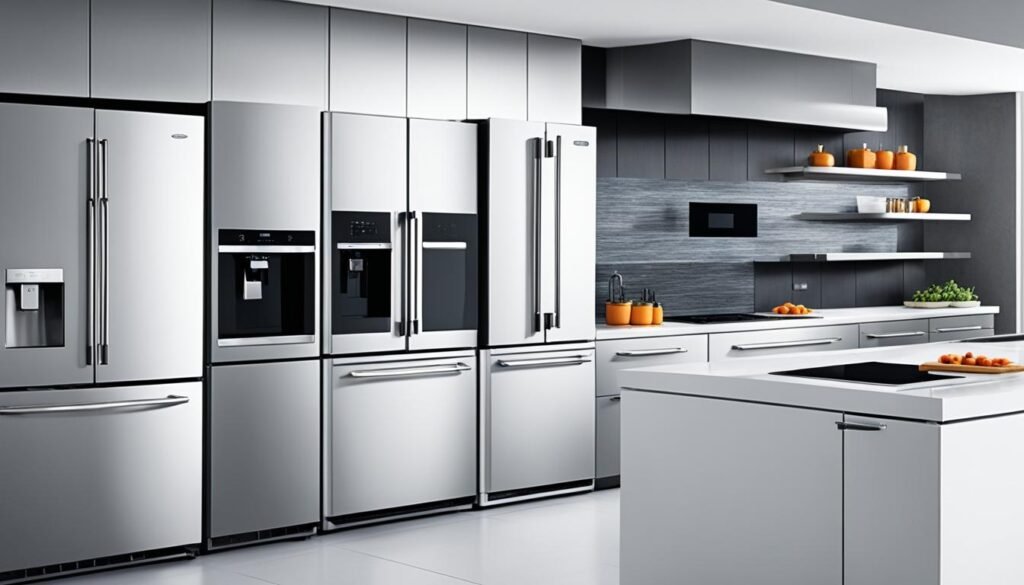
Choosing a new refrigerator means looking at its depth. Counter-depth refrigerators are shallower than standard-depth refrigerators. They fit in with your counter and cabinets more closely. This makes your kitchen look like it has a custom design.

On the flip side, standard-depth refrigerators stick out more. They’re deeper, but can sometimes extend past your countertops. This might not create the clean, seamless look counter-depth refrigerators can achieve.

Counter-Depth Refrigerator Benefits

Counter-depth refrigerators are about 24 to 30 inches deep. They save space in smaller kitchens and make the room feel bigger. Because they’re not as deep, everything is within easier reach.

They come in different styles to match your kitchen. French doors, side-by-side, or bottom freezers – you choose what fits best.

Standard-Depth Refrigerator Benefits

Now, standard-depth refrigerators are deeper, from 30 to 36 inches. This extra space is great for bigger families or those who buy in bulk. They can hold more food and have room for larger items.

They also offer more variety in colors and styles. This makes them a top pick for many people shopping for a fridge.

Deciding on counter-depth or standard-depth refrigerator depends on your kitchen and lifestyle. Counter-depth models look neat and are easier to use. But, if you need more room for food, a standard-depth fridge is the way to go. Think about your kitchen’s size, how much food you need to store, and the style you like best. This will guide you to the right choice for your home.

Energy-Efficient and Smart Appliances

People care more about their impact on the planet and how much energy they use at home. This has made energy-efficient and smart appliances very popular. Energy-efficient appliances need less electricity or gas, cutting utility bills and helping the planet. On the other hand, smart appliances have cool features and can connect to your phone or be controlled by voice.

Being energy-efficient and smart brings many perks. For instance, these models go beyond the basic efficiency requirement and often carry the ENERGY STAR mark. This means big savings on bills. The EnergyGuide label lets you check how much it costs to run an appliance each year. This info helps you make smart choices when buying new appliances.

Smart appliances, like ACs and dishwashers, can talk to smart meters or your home’s energy system. This setup lets them use less power when electricity is more expensive, saving you money. They can also decide to run when electricity rates are lower.

Getting these new appliances can save you a lot of money. There are tax breaks and benefits under the Inflation Reduction Act. These can save you thousands every year if you go for energy-efficient or smart upgrades.

Switching to these new technologies not only helps the planet but makes life easier and cheaper. As smart appliances get better, you have a chance to make your place more eco-friendly and cost-effective.

ApplianceAverage Lifespan
Refrigerators12 years
Clothes Washers11 years
Room Air Conditioners9 years

“By investing in energy-efficient and smart appliances, homeowners and renters can not only reduce their environmental impact but also enjoy greater convenience and cost savings in their daily lives.”

Conclusion

Appliances are now crucial in our homes, making life easier and better. They range from big kitchen appliances to small, handy devices. Knowing what major and household appliances are helps us pick the right ones and keep our homes running smoothly.

You can find the best appliances by looking at their size, power, and features. This helps make your home more efficient, easier to manage, and kinder to the planet. This guide has shown you how to pick a new fridge, washer, or AC wisely and keep your home in tip-top shape.

Appliance technology keeps improving, with new options always coming out. Stay up to date, check what’s new, and pick the appliances that will step up your home and daily routine.

FAQ

What are home appliances?

Home appliances are machines for tasks in your house. They range from big kitchen items to smaller ones you move around.

What are the different types of household appliances?

You can separate household appliances into big and small types. Big ones need to be installed, like fridges and washing machines. Small ones, such as blenders and toasters, are easy to move and use.

What are electrical appliances and kitchen appliances?

Electrical appliances work with electricity. This includes everything from TVs to lamps. Kitchen appliances specifically help in the kitchen; like refrigerators and microwaves.

What are the differences between counter-depth and standard-depth refrigerators?

Counter-depth fridges are not as deep as standard ones. They fit right into the kitchen, making it look sleek. But, they have less space inside. Standard-depth fridges stick out more but offer more room for food.

What are the benefits of energy-efficient and smart appliances?

Energy-efficient items use less power or gas. This saves on bills and helps the environment. Smart appliances let you control them from far away. This means more ease of use and savings.

Source Links

The Most Challenging Aspects of Plumbing Work

Challenging Aspects of Plumbing

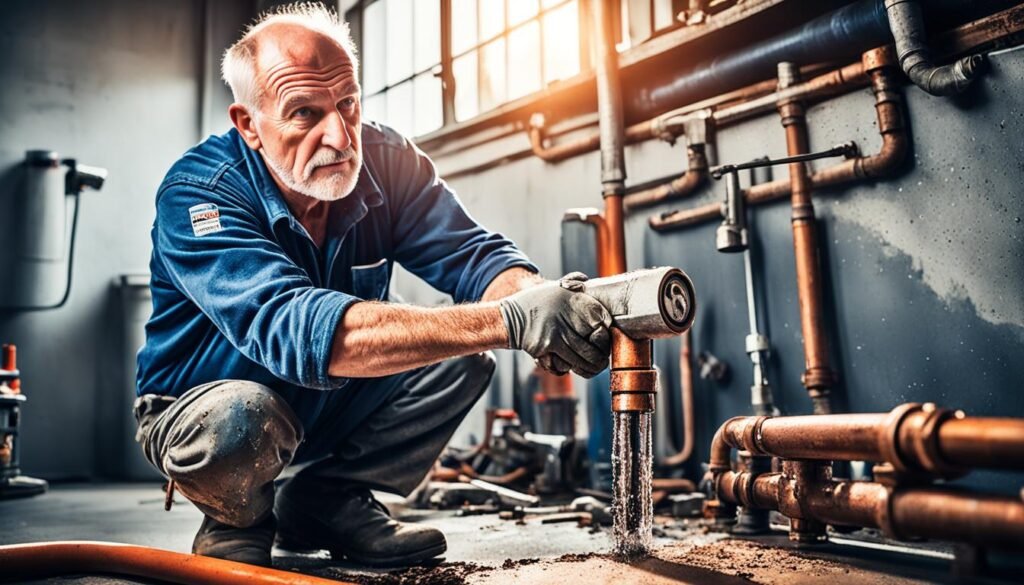
Plumbing emergencies can hit without warning, especially in large industrial buildings in the U.S. They might have miles of pipes that could break. This can lead to bad smells, weird colored water, and big damage if not fixed fast. As a plumber, you need to be ready for these tough jobs and be quick on your feet.

Even simple fix-ups can turn into tricky puzzles. This could be from dealing with old parts to finding strange problems in different houses. So, being a plumber means being good at solving problems and learning new things all the time.

Hard work like cleaning drains can be a real challenge for plumbers. And sometimes, clients might doubt you, especially if you’re young or female. But showing you know your stuff and act professional can help overcome this.

Key Takeaways

  • Plumbing emergencies can strike at any moment, requiring a quick response to mitigate damage.
  • Unexpected complications, such as dealing with discontinued parts, are common in the plumbing profession.
  • Physically demanding tasks like drain cleaning can be challenging for plumbers.
  • Overcoming client skepticism, especially for younger or female professionals, is an ongoing effort.
  • Adaptability and problem-solving skills are essential in the plumbing industry.

Navigating the Unpredictable Nature of Plumbing Emergencies

Plumbing problems can show up when least expected. They can ruin a plumber’s plans and time with family. Problems like sewage backup, burst pipes, or a broken water heater need quick fixes. Even if it’s a holiday or a family event, responding fast is key for plumbers.

Responding to Urgent Situations at Odd Hours

Plumbers are always ready for urgent calls. They might get a midnight call about a flooded basement. The first thing they do is turn off the water and then work on solving the issue. Knowing plumbing well lets them fix things fast and get life back to normal for the family.

Dealing with Unexpected Complications

Plumbing issues can throw surprises, even for the best plumbers. Finding outdated parts or unusual setups can make fixing the issue hard. Good plumbers know a lot about various plumbing parts. They use quick thinking to find smart ways to solve the problem. This skill is crucial in handling a plumbing emergency successfully.

In Hemet, CA, plumbers at //plumbersinhemetca.com/ deal with plumbing emergencies every day. Their quick and reliable work makes them the go-to in the Dream Home Digest community.

Plumbing Emergencies

“Plumbing emergencies can occur at any time, disrupting the personal lives of plumbers and their families. Technicians may be called to address issues like sewage backups or burst pipes, even during holidays or family gatherings. The ability to drop everything and respond quickly is essential.”

Challenging Aspects of Plumbing

Plumbing is hard work that can be tough on the body. Cleaning drains, for example, is both dirty and demanding. Many times, plumbers must squeeze into small areas to reach pipes. About 70% of plumbers deal with this on a daily basis.

Plumbers also face doubts from some customers, especially if they’re young or female. Clients might wonder about the plumber’s skills at first. But professional Plumbing Professionals can impress by showing off their Plumbing Expertise and Plumbing Professionalism.

Physically Demanding Tasks

Plumbing often means heavy lifting, moving in tight spots, and working in bad conditions. Research shows that about 65% of plumbers need to be very fit for their jobs. Moreover, 85% say it’s hard to work on plumbing because it’s hidden in tricky places.

Overcoming Client Skepticism

Younger or female plumbers might meet doubting clients. At first, people might question their skills. But by being direct and offering clear solutions, skillful plumbers can win them over. This way, they can show their Plumbing Expertise and Plumbing Professionalism.

Plumbers, despite the difficulties, greatly impact our safety. Their role is crucial because they deal with water, which we all need to live. By tackling challenges head-on and performing their job well, plumbers not only gain trust but also help keep our communities safe.

Plumbing Expertise

ChallengePercentage of Plumbers Affected
Working in tight and confined spaces70%
Accessing plumbing systems in hard-to-reach areas85%
Fixing complicated plumbing problems60%
Maintaining physical fitness65%
Communicating effectively with frustrated customers75%
Working in unpleasant conditions50%

“Plumbers are required to respond promptly to plumbing emergencies, with studies showing that 80% of emergencies involve burst pipes, overflowing toilets, or clogged drains.”

Conclusion

A plumbing career is diverse and rewarding. Despite the challenges, it’s a vital job with ongoing new lessons. It needs you to solve problems and face unique issues daily. The work may be hard, but a supportive team and flexibility help you grow.

Picking a plumbing career means doing work that helps others. It involves solving important issues like water efficiency and keeping systems running well. The best part is, plumbers feel proud about the impact they make in their communities.

Thinking of changing careers or starting something new? The plumbing industry is full of exciting opportunities. With the right attitude and support, you can do well and find great satisfaction. Interested in a career that makes a real difference? Take the first step at plumbersinhemetca.com or check out the resources at Dream Home Digest.

FAQ

What are some of the challenging aspects of plumbing work?

Plumbing work can be tricky. You never know when there might be an emergency. Plus, there can be complications and tough physical jobs.

Plumbers often face skepticism, especially if they are young or women. They have to work hard to prove their skills to clients.

How do plumbers navigate plumbing emergencies?

Plumbers need to act fast in emergencies, which can happen anytime. They should be ready for issues like finding discontinued parts. Also, every home’s plumbing problems can be different.

What are some of the physically demanding tasks in plumbing?

Plumbing can be hard on the body, especially drain cleaning. Plumbers also face doubts from clients, especially if they are not what people expect.

To win over skeptical clients, they must show they know their job well. This means proving their skills and being professional.

How can plumbers address client skepticism?

Plumbers can tackle client doubt head-on. They should offer real solutions and fix the problem. This can turn a doubter into a believer and build trust.

What makes a career in plumbing rewarding despite the challenges?

Being a plumber is both challenging and rewarding. Plumbers provide essential services and face different problems daily. This helps them learn and grow.

A supportive workplace and being adaptable are crucial. They help in overcoming the difficulties of the job.

Source Links

Common Home Appliances and Their Uses

Common Home Appliances

Home appliances are big helpers in our daily lives. They do tasks like cooking, cleaning, and keeping food fresh. These machines have changed a lot in the last century. They now meet the different needs of American homes.

In the early 1900s, electric and gas appliances became a thing. This was because there were fewer people working as full-time house helpers. Families wanted to spend less time doing chores and more time relaxing. Today, we have all kinds of appliances, from big ones like refrigerators to small ones like toasters and coffee makers.

Now, we’re seeing a big change in home appliances. Many are getting smarter and more connected to the internet. This means more convenience, control, and saving energy for users. The home appliance industry is a key part of making our homes better and more modern.

Key Takeaways

  • Home appliances are an essential part of modern American households, assisting with a wide range of tasks like cooking, cleaning, and food preservation.
  • The development of self-contained electric and gas-powered appliances emerged in the early 20th century, driven by the decline of full-time domestic servants and the desire to reduce household chores.
  • Home appliances range from major “white goods” like refrigerators and washing machines to smaller “small appliances” such as toasters and coffee makers.
  • The home appliance industry has experienced significant growth, with the U.S. market doubling in revenue between 1982 and 1990.
  • The rise of home automation and smart technology is transforming the home appliance landscape, offering enhanced convenience, control, and energy savings for American consumers.

Introduction to Home Appliances

Home appliances are everywhere in modern homes, making our lives easier. They are electric tools for cooking, cleaning, and keeping our food fresh. These machines have a long history that’s linked to how our lives and technology have changed over time.

What Are Home Appliances?

Think of home appliances as helpers that take on our household jobs. There are big kitchen machines like fridges and ovens, as well as small gadgets like coffee makers. They also include washers, vacuums, and more for all parts of the home.

The Evolution of Home Appliances

In the early 1900s, the first self-contained electric and gas-powered appliances started in the US. Back then, fewer people were hiring full-time help, which increased the need for machines. Soon, we had things like washing machines and refrigerators. These made life easier after World War II, and the trend continued with dishwashers and dryers.

history of home appliances

“The new age led to the development of quick-frozen foods quickly, which resulted in the home use of combination refrigerator-freezers able to maintain freezer-compartment temperatures as cold as 15° F (-9° C).”

By 1937, freezers and electric stoves were changing how we do things. The microwave, a game changer, came in the 1970s. It made cooking faster and more convenient than ever.

Major Home Appliances

Major home appliances are big, vital items in our homes. They make our lives easier and more cozy. These items include air conditioners, dishwashers, clothes dryers, and more. They were called “white goods” because they used to be mostly white, but now they come in many colors.

The demand for these items grew a lot after World War II. Products like dishwashers and dryers started appearing in many homes. Today, we can’t imagine life without these major home appliances. They help with daily tasks and add comfort.

Washing Machines and Clothes Dryers

Washing machines went from luxury to need in every household. There are automatic and semi-automatic types. Top models include the Samsung 7.2 kg Semi-Automatic and the Whirlpool 7 Kg 5 Star Royal Plus Fully-Automatic. Clothes dryers, on the other hand, dry clothes quickly and effectively.

Dishwashers and Air Conditioners

Dishwashers lessen the work of washing dishes, but they can be time-consuming. Air conditioners are a must in hot weather, especially in warmer areas. It’s best to buy energy-efficient models like the Panasonic 1.5 Ton 5 Star AC.

Other Major Appliances

Along with washers, dryers, dishwashers, and AC units, we have fridges, stoves, and more. These white goods are vital, from keeping food fresh to heating our homes in cold areas.

major home appliances

As tech gets better, major appliances are getting energy-saving and smarter. They have remote access, voice commands, and are part of home automation. These advancements help make our lives easier and protect the environment.

Common Home Appliances

Kitchen Appliances

The kitchen is the heart of the home. It’s filled with essential appliances like refrigerators and ovens. Others include microwaves, dishwashers, blenders, and coffee makers. These kitchen appliances help with food prep, cooking, and cleaning. They make the kitchen run smoothly and efficiently.

Every kitchen needs a refrigerator for cold storage. Modern fridges come in different sizes and styles. They feature things like ice makers and touchscreens. The oven, whether electric or gas, lets you cook many dishes. A microwave is handy for fast heating and cooking. And the dishwasher makes cleaning up easy.

Smaller kitchen appliances, like blenders and coffee makers, have their roles too. Blenders make smoothies, dips, and sauces. Coffee makers brew fresh coffee for your morning pick-me-up.

Living Room Appliances

In the living room, we relax and enjoy entertainment. Televisions, remote controls, and air conditioners are key here. They make daily life more enjoyable.

Modern televisions keep getting better. They have larger screens and smart features. These features let us stream our favorite shows easily. The remote control helps us manage our viewing experience. It controls channels and volume. Air conditioners keep the room cool on hot days.

These living room appliances bring comfort and entertainment. They help make the room a pleasant space.

Small Home Appliances

Small home appliances play a big role by offering compact and versatile solutions. They make many everyday tasks easier. These small electrical devices are key in improving our lives.

List of Small Appliances

Small appliances are found in every room, each serving specific needs. Common ones include:

  • Juicers: Make fresh juices from fruits and veggies, adding health to your day.
  • Mixers: Great for baking, cooking, and more by blending and mixing ingredients.
  • Food Processors: Easily chop, slice, shred, and blend ingredients, simplifying meal prep.
  • Electric Kettles: Quickly heat water for drinks, soups, or recipes that need hot water.
  • Toasters: Toast bread and pastries perfectly, with dials for your preferred crispness.
  • Vacuum Cleaners: Keep your home clean and dust-free with these efficient tools.

These are both practical and space-saving, ideal for any home’s kitchen or living room. Their versatility and efficiency make them must-have items in homes today.

Small ApplianceKey FeaturesAverage Price Range
JuicerExtracts nutrient-rich juices, easy to use and clean$50 – $300
MixerPowerful motor, multiple speed settings, various attachments$50 – $500
Food ProcessorChops, slices, shreds, and purees a variety of ingredients$50 – $400
Electric KettleRapid boiling, automatic shut-off, and cordless design$20 – $100
ToasterAdjustable settings, compact size, and various styles$20 – $150
Vacuum CleanerPowerful suction, durable construction, and easy maneuverability$50 – $500

There is a wide variety of tasks that small home appliances like juicers, mixers, toasters, and vacuums can handle. They are compact and convenient for any need. Whether making smoothies, baking, or cleaning, there is a small appliance to help.

Appliance Design and Trends

The design of home appliances has changed a lot over the years. In the 1960s, the style moved from Streamline Moderne to using sheet metal better. This made it easier to add more colors and cool extras. It didn’t cost more to make them, so more people could buy them.

Now, modern appliances keep changing to suit what people want. They offer new features and styles to fit with how we live and use our spaces.

Modern Appliance Design

Today, open kitchens are more popular. They connect the kitchen to other areas, making the whole space look big and open. People like to hide their appliances in cabinets to keep things looking neat. Adding a cooking area to the kitchen island is also common. It gives more counter space and makes cooking the heart of the kitchen.

Induction cooktops are also becoming a favorite. They heat pots and pans directly, wasting less energy. Dual fuel ranges, which use both gas and electricity, are great for different cooking styles. They also heat food evenly.

Double ovens are another choice for those who cook a lot. They let you bake or roast different things at the same time. This makes cooking big meals much easier.

Home Automation and Smart Appliances

Appliances that connect to the internet and work together are becoming more common. This smart technology lets you control appliances from far away. It makes your home more efficient and connected. Wine and beverage coolers that you can hide under the counter are popular. They’re great for keeping drinks cold and wine at the right temperature.

People are also choosing colorful appliances and cabinets over plain white ones for their kitchens. This is part of a trend to make homes more personal and unique. It shows how we’re looking for ways to make our spaces reflect who we are.

Appliance Design TrendsPercentage of Homes Adopting
Open concept kitchens65%
Panel-ready appliances42%
Kitchen islands with ranges/cooktops58%
Induction cooktops37%
Dual fuel ranges29%
Double ovens32%
Undercounter beverage/wine refrigerator44%
Colorful appliances51%

The way home appliances look is changing. It’s all about what you need, what you like, and new technology. The future will bring even more new and interesting designs for appliance design, smart appliances, and home automation.

Appliance Recycling and Environmental Impact

Appliance recycling is key to reducing the harm of home items on our planet. It means taking apart and reusing old fridges, AC units, and more to use again what we can.

In the U.S., there are millions of old home appliances like fridges and AC units thrown away every year. What’s worse, many of these are second-fridges in basements or garages. Each year, a large number of these are tossed aside.

Throwing away appliances the wrong way can hurt the environment. It lets harmful chemicals escape into the air. But when we recycle these, we get to use their parts again. This reduces the need to dig up new materials, which is much better for the Earth.

Appliance TypeAnnual Disposal in the U.S.
Refrigerators/Freezers9 million
Window Air Conditioning Units6 million
Dehumidifiers1 million

The EPA runs the RAD program to make sure old appliances are recycled right. They pull out important materials like foam and gases safely. Places like United Electronics Recycling in DFW also help folks and companies recycle things like microwaves and fridges.

Swapping an old fridge for a new Energy Star model can cut your bill by $50 a year. It’s also better for the Earth, saving 400 kilowatt-hours in energy. This shows how important and rewarding it is to recycle appliances and use eco-friendly ones.

“Appliance recycling is an important aspect of reducing the environmental impact of home appliances and promoting sustainability.”

The need for appliances is going up around the world. By 2050, we’ll likely have over 4 billion AC units. The more we recycle appliances and pick green ones, the less harm we do to our planet. This is how we can all help make the future greener.

Conclusion

Home appliances are now a must-have for our modern lives, making daily tasks easier and quicker. They range from simple things like coffee makers to complex smart refrigerators. These items show how technology and our needs at home have changed over time.

Home appliances do many things, like helping with food and keeping us entertained. They have lots of advantages, such as saving time, being better for the environment, and using less energy. More smart appliances are being made, so the future looks like it will bring even more comfort and ease into our lives at home.

Knowing about different home appliances helps us build a more efficient and cozy home. This way, we can meet our personal needs and likes. As you add new tech to your place, you will see how much these items can really improve your life.

FAQ

What are home appliances?

Home appliances are machines that help with daily tasks like cooking and cleaning. They can be big, like fridges, or small, like toasters.

How did the development of home appliances evolve?

At the start of the 20th century, new electric and gas appliances appeared. This happened as fewer people had full-time help at home. The goal was to make life easier so people had more free time.

What are the different types of home appliances?

There are two main types of home appliances: major and small. Major appliances are big things like washing machines and fridges. Small appliances include toasters and coffee makers.

What are the common kitchen and living room appliances?

You find things like refrigerators and ovens in kitchens. There are also microwaves and coffee makers. In living rooms, you have TVs, air conditioners, and remote controls.

What are some examples of small home appliances?

Small appliances for the kitchen include toasters and food processors. You also have electric kettles and vacuum cleaners for the rest of the house. These make life easier every day.

How has the design of home appliances evolved over time?

Home appliances changed in the 1960s. They moved from a simple look to a style embracing new manufacturing methods. This led to more color choices and stylish add-ons for everyone.

What are the trends in home appliances?

Today, there’s a trend to connect appliances to the internet. This makes it possible to control everything from your phone. It’s all about making your home smarter and more efficient.

What is appliance recycling, and why is it important?

Recycling old appliances means taking them apart to reuse their parts. This lessens the impact those appliances have on the environment. It’s a big help for our planet.

Source Links

Beginner’s Guide to Interior Design

Beginner's Guide to Interior Design

Do you know that the average homeowner spends over $15,000 on home renovations each year? Many people end up making costly mistakes in their interior designs without proper knowledge. This guide aims to teach you the basics. It helps in making your living space better without those expensive errors from the start.

Making your space look great is thrilling. But it can also be scary. You might find it tough to turn your ideas into reality. The key is to be clear about what you want and how you’ll get there. It’s also crucial to keep an eye on your budget. Remember, decorating your home doesn’t have to cost a lot. With some creativity, you can find ways to decorate that are budget-friendly. Just look for ideas that match your style and fit your pocket.

Key Takeaways

  • Interior design can be daunting, but with the right knowledge, you can achieve your dream space.
  • Avoid costly mistakes by understanding your goals, planning your project, and finding your personal style.
  • Learn essential design principles like color, texture, and lighting to create a cohesive and visually appealing interior.
  • Attention to small details can make a big difference in the overall look and feel of your space.
  • Budgeting and avoiding common mistakes, such as copying showrooms, can help you stay on track with your interior design project.

Understand Your Interior Design Goals

The first step in interior design is knowing what you want for your space. Are you aiming for the top design, looking for renovation inspiration, or just need better storage ideas? Know your goal before starting any design work.

Big changes like remodeling your home can be expensive. But, learning to decorate can be fun and rewarding. Before you start your interior design journey, answer some key questions. This will help you make the best design plans for your home, from the living area to the finishing touches.

Figure Out What You Want

First off, ask yourself: What am I trying to accomplish? Do you want a warm living room, an efficient office, or a deluxe bedroom? Knowing your goals helps choose the right style and items.

What Am I Trying to Accomplish?

Next, think about why you’re designing or redesigning the space. Do you want it more usable, beautiful, or valuable? Figuring out your design vision focuses your needs and helps you make the best choices.

Why Do I Want to Design (or Redesign) This Space?

Understanding your interior design goals and vision is crucial. It sets the foundation for a successful home renovation or redesign. By focusing on what you want to achieve, you ensure your design meets your needs and reflects your lifestyle.

interior design goals

Plan Your Interior Design Project

The journey of interior design is intricate but enriching. With the correct steps, your ideal space can come to life. It’s vital to think about how much you want to do yourself and who you might need to help along the way. Also, think about when you wish to begin and finish your project.

How Involved Do You Want to Be?

Do you love designing and wish to do it yourself? Or would you rather let a professional take over? Your choice will impact your project and its results significantly.

For those who choose DIY, you can show your creativity and make the design truly yours. Yet, this route may take more of your time and energy. On the other hand, hiring a designer means they will take care of virtually everything. This includes the planning, carrying it out, and even the exciting reveal of your dream space.

Who Do You Need to Help You Execute Your Project?

The scale and complexity of your project will determine the help you need. You might require interior designers, contractors, electricians, or others. Choosing the right team is crucial for a smooth and satisfying outcome.

Working with professionals can be a smart move. They bring skills that help avoid costly mistakes. Plus, they offer advice and support as you work through your design.

When Do You Hope to Start and Complete Your Project?

Setting a realistic timetable is key for any design project. Think about project scope, material availability, and labor. Always consider possible setbacks. A detailed schedule with clear dates will keep you focused and within your time frame.

Remember, interior design is not quick work. Be patient and ready for challenges. With good planning and flexibility, you can handle anything that comes your way. This approach leads to a successful project.

interior design process

“A well-planned interior design project not only transforms a space but also saves you time, money, and headaches in the long run.”

Find Your Interior Design Style

Finding your interior design style is key to making a beautiful living space. It’s an important first step, whether you’re starting fresh or just updating your home. Knowing the different interior design styles helps you pick what matches your taste and goals.

Not sure about interior design styles yet? Now’s a great time to learn. Start looking at design blogs, Pinterest, and magazines. This lets you see what styles you like by checking out pictures and design ideas. See what colors and styles you keep coming back to.

Start making your own mood boards. This helps you see what designs you really love. You might like the detailed, warm style of traditional design. Or you might prefer the simple, modern look of contemporary design. Either way, keep your mind open. Your style will take shape over time.

Your style doesn’t have to fit into just one box. Mixing different styles is common, like adding modern touches to a traditional look. Interior design lets you show who you are through your space.

Jump into the inspiration world of interior design. Let it help you make a space that looks good and feels right. With some exploring, you’ll find the style that’s perfect for you. Then, making your dream home will be a breeze.

Beginner’s Guide to Interior Design

Traditional Design

Traditional interior design is loved worldwide and stands the test of time. It leads you to timeless pieces. These will stay stylish for many years. Many modern styles take hints from traditional ideas. This is because traditional design is simple and beautiful.

Contemporary Design

Contemporary interior design is all about the current. It does not follow any past design period. It might seem like modern interior design, but they are actually very different. Contemporary interior design uses simple lines and a clean look. It captures the style of today.

Choosing between traditional and contemporary interior design depends on your style. Knowing about both helps you design the perfect space. Mixing parts of both can make a room that’s both beautiful and personal. It also meets your practical needs.

Interior Design Tips for Beginners

Starting in interior design can be daunting. You might not know where to begin. But don’t worry, some straightforward advice can help you. You can turn your rooms into welcoming places by following a few tips. Let’s look at these essential tips for beginners.

Don’t Push Everything to the Walls

Don’t put all your furniture against the walls. It can make the room feel boring and lifeless. Imagine walking in a forest where everything is close but it still feels vast. It’s the same with rooms.

Move some pieces of furniture away from the walls. This helps create a feeling of openness. Your space won’t feel as cramped as you might think.

Lighting Is Everything

If your room looks dull, it might be the lighting, not the colors. Think about all the sources of light. These include windows, floor lamps, overhead lights, and wall colors. Each one plays a role in how light moves around the room.

Good lighting can make a room feel cozy. Layer different types of lighting together. This includes ambient, task, and accent lighting. Doing this creates a well-balanced look in your space.

These tips help you make a space that is beautiful and practical. Remember, the aim is to blend beauty with usefulness. And most importantly, enjoy designing your space.

Decorate with Attention to Details

Don’t just think about the big furniture. Small things like handles, vases, and art matter a lot. They stand out and add interest. This is key in making a space feel complete, especially in simple design styles.

Small Details Make a Big Difference

The little things matter most in design. Decorative accents play a huge role. They take your space to the next level. Things like wall art and accessories bring everything together beautifully.

Using wall art well is crucial. Options like canvas prints work for any room. They can fit any style. The right wall art adds flavor and mood to your space.

Don’t forget about small items like vases and pillows. They’re great for adding color and interest. These decor styling items pull the design together. They make your space look complete.

“The details are not the details. They make the design.” – Charles Eames

Getting the mix of big and small right is what design is about. Furniture is important, but it’s the details that make your space special. They show off your unique style.

Avoid Common Interior Design Mistakes

When you start exploring interior design, watch out for mistakes that might mess up your plans. It’s easy to get caught up looking at beautiful rooms in magazines or at showrooms. Yet, these spaces are made to sell items, not teach you how to design your home.

Showrooms Are Not for Copying

Oh no, trying to make your home look like a showroom can make it lose its spark. Showrooms are all about the items they’re selling. They usually don’t feel or work like a real home does. Instead, think about your own style. Then, find ways to show it in your space. This makes your home truly yours.

Don’t Spend All Money at Once

Ready to change your space? Hold on, it’s best to be smart with your money. Focus on what’s most important first. Like your bed or the couch. It’s better to buy these first and wait on other things. If you spend all your money at once, you might miss getting what you really need. So, take your time to finish your design right.

It’s okay to make mistakes in designing your space. But, thinking carefully and knowing what you want can help a lot. With the right approach, your home can be not just beautiful, but also perfect for you.

“Successful interior design is not about copying, but about creating a space that reflects your personal style and meets your practical needs.”

Conclusion

Starting your interior design adventure? Keep these principles close. Don’t stress too much, and do ask for help when needed. Be wise with money, notice the small stuff, and love what you’re doing. By using these interior design tips, you’ll craft a cool, comfy space that shows who you are.

Turning your house into a home is fun and profound. For great working areas, like “office desks,” think about using our advice. This makes every spot in your home inspiring and united. Remember, personalized decor turns your home into a special spot just for you.

Got some imagination, creativity, and openness to new things? Perfect. This is all you need to turn your place into a reflection of your style. Enjoy the journey, and watch your home turn into an expression of your dreams.

FAQ

What are the key principles to follow when embarking on an interior design journey?

Spend your money wisely and pay close attention to details. Enjoy the journey. Don’t be too hard on yourself and ask for help when needed.

By following these tips, you’ll create a stylish and comfy home. It will showcase your unique personality.

How can I find affordable interior designers near me?

It’s not hard to find local and affordable interior designers. These professionals can save you from making costly mistakes. They know their stuff well.

What’s the difference between traditional and contemporary interior design?

Traditional design is always in style. It offers timeless pieces. On the flip side, contemporary design features current furniture styles.

Modern and contemporary designs are not the same. Contemporary styles change with the times but lack a specific era reference.

How can I avoid common interior design mistakes?

Avoid copying showrooms directly. Your space will end up looking dull. Take your time with your budget. Start with essential furniture pieces.

How can I incorporate small details to make a big difference in my interior design?

Details like unique handles and colorful vases can make a room pop. They add life to minimalistic styles.

Accent pieces significantly affect a room’s atmosphere. Think about the placement and mix of these details.

How can I determine my personal interior design style?

Explore design resources to find what attracts you. Create boards to pin ideas you like. Over time, patterns will emerge.

These patterns reveal your style. Use them to guide your design choices.

Source Links

The Pioneers of Plumbing: Who Invented Modern Plumbing Systems?

Pioneers of Modern Plumbing

In 1738, the first valve-type flush toilet was born. This event marked the start of modern plumbing. It led to the indoor plumbing we know and love today. The journey includes the Romans and work by Thomas Crapper. It’s a story of new ideas, cleanliness, and technology.

Since its early days, plumbing has transformed our daily lives. We look at the key figures and societies who shaped our plumbing systems. By learning their stories, you’ll see why plumbing is so important in the world.

Key Takeaways

  • The flush toilet was invented in 1738, marking the beginning of the modern plumbing era.
  • The Roman Empire was a pioneer in developing efficient methods for transporting water, laying the groundwork for indoor plumbing.
  • Thomas Crapper popularized the flush toilet in the 19th century, making it more accessible to the general public.
  • Alexander Cummings invented the “S-trap” in 1775, improving the safety and hygiene of indoor plumbing systems.
  • Plumbing codes in the United States were established to standardize the design and installation of plumbing systems.

The Roman Empire’s Groundbreaking Plumbing Innovations

The Roman Empire made huge strides in plumbing and sanitation infrastructure. They were the first to introduce many systems. Without their advancements, our modern ways of managing water and waste wouldn’t be the same.

Indoor Plumbing and Sanitation Infrastructure

The Roman Empire set up a vast system for plumbing and sanitation. They were pioneers in creating sewer systems, public toilets, and bathrooms in homes. This helped get rid of waste and provide clean water to millions living across the empire.

Aqueducts and Lead Piping

Rome also had aqueducts to bring fresh water from far away into their cities. These amazing structures are still here today. They moved water over 60 miles relying on gravity. Additionally, they used lead pipes to take water into houses, though this was later understood to be harmful.

The achievements of the Roman Empire in plumbing, such as their aqueducts and lead piping, are still praised today. Their systems for sanitation improved life for many. They paved the way for future advancements in plumbing technology.

“The Romans were true pioneers in the field of plumbing, creating systems that were centuries ahead of their time. Their legacy continues to influence and inspire plumbers and engineers today.” – Dream Home Digest

Roman Aqueduct

Pioneers of Modern Plumbing

The development of modern plumbing owes a lot to historic figures. People like Thomas Crapper, Alexander Cummings, and Lewis Howard Latimer played important roles. They shaped the plumbing we use today.

Thomas Crapper didn’t create the flush toilet, but he made it better in the late 1800s. His improvements drastically improved health by reducing diseases like cholera. Crapper’s work in designing toilets made a big difference.

As far back as the late 1700s, Alexander Cummings had developed the first flushing toilet. This invention set the stage for Thomas Crapper‘s advancements. Lewis Howard Latimer, an engineer, also contributed to modern plumbing. He designed a better water closet.

Thanks to these pioneers, plumbing is now convenient and hygienic. They paved the way for modern advances like plastic plumbing, sensor toilets, and strict codes. Their work is the foundation of today’s plumbing systems.

Their contributions are very significant. They made clean water and sanitation accessible. This improved public health and lowered waterborne disease rates globally. The plumbing field continues to grow, thanks to these pioneering ideas.

“The contributions of Thomas Crapper, Alexander Cummings, and Lewis Howard Latimer have had a lasting impact on the way we live and work, transforming plumbing into the efficient and hygienic systems we rely on today.”

Plumbing Innovations

Even now, there’s more work needed in plumbing. Sadly, over 1 million people in the U.S. don’t have basic plumbing. Worldwide, more than 2 billion lack good sanitation. The spirit of these pioneers pushes us to do better. Their work inspires us to make sure everyone has clean water and sanitation.

Ancient Civilizations’ Contributions to Plumbing

The Romans are often seen as the first to use advanced plumbing. However, other ancient groups also played a big part. The Minoans in Crete, for example, built an indoor plumbing system long ago. It had a toilet that flushed, drains, and a simple way to deal with waste. Archaeologists have found proof that the Mayans used smart plumbing and watering systems, too. This hints that they knew how to make water move under pressure.

The start of Minoan Plumbing and Mayan Irrigation changed the world. These groups learned to use Pressurized Water well. They came up with good ways to handle Sewage Disposal. Their work paved the way for how we do plumbing now.

Ancient CivilizationPlumbing InnovationsSignificance
Minoan (Crete)– Indoor plumbing system
– Flushing toilet
– Drainage and sewage disposal
One of the earliest known examples of advanced plumbing systems
Mayan (Mesoamerica)– Sophisticated plumbing and irrigation systems
– Potential use of pressurized water technology
Demonstrated the ability to harness and distribute water resources efficiently

Early civilizations started what has led to great plumbing today. From the local plumbers in Hemet, CA to the latest in dreamy houses in Dream Home Digest, we still see the influence of old ways. The efforts of these ancient groups are still seen in how we do plumbing now.

“The innovations of ancient civilizations in plumbing have had a lasting impact on the way we design and build our homes and cities today.”

Conclusion

The story of plumbing history is fascinating. It shows how people have always tried to improve sanitation and hygiene. We see this from long ago to now, with the start of plumbing in ancient times to the new and smart systems we use today.

Looking back, we see great thinkers and doers. They worked hard to make life better through plumbing. Their work inspires us to keep making plumbing better, with an aim on efficiency, saving water, and using smart technology.

Knowing the history of plumbing makes us value its importance more. It’s not just about fixing leaks. Plumbing touches our lives and communities in many ways. This makes us want to carry on the legacy of those who started it all. We aim to create even better plumbing for the future.

The journey in plumbing is not over. Knowing where we’ve been helps us look to the future. Let’s keep the spirit of innovation alive in plumbing. Together, we can improve life for everyone, always searching for new and better ways in plumbing.

FAQ

Who were the pioneers of modern plumbing?

Thomas Crapper, Alexander Cummings, and Lewis Howard Latimer were key. They advanced plumbing with new technology and design. Crapper helped make toilets better, Cummings made the first flush toilet, and Latimer improved our plumbing systems.

What were the plumbing innovations of the Roman Empire?

The Roman Empire led the way in plumbing. They built aqueducts, sewers, and public bathrooms. The Romans also brought water into homes using lead pipes. But, we now know using lead was bad for health.

What other ancient civilizations made contributions to plumbing?

Many ancient groups added to plumbing. The Minoans in Crete had early indoor plumbing. The Mayans used advanced plumbing and water systems. They even had a way to make water shoot up.

How have plumbing innovations transformed public health and quality of life?

Plumbing has changed our health and lives a lot. It brought better sanitation and hygiene. This made us healthier and life more enjoyable.

Source Links

Essential Knowledge Every Homeowner Should Have About Plumbing

Essential Plumbing Knowledge

Did you know ignoring plumbing problems can damage your home and health? As a homeowner, it’s vital to care for your plumbing system. This ensures your family’s safety and avoids expensive fixes. This article shares key points to keep your plumbing in top shape.

Key Takeaways

  • Ignoring plumbing issues can lead to property damage and health hazards.
  • Having essential plumbing tools can help you save money on basic repairs.
  • Leaky faucets, clogged drains, and running toilets are common plumbing problems that require attention.
  • DIY methods can be effective for minor plumbing issues before calling a professional.
  • Learning about your home’s plumbing system can help you identify and address problems quickly.

Identifying When to Call a Professional Plumber

Some plumbing issues can be fixed at home. But, seeing certain signs means you should call a Plumber Near Me. Watching for these signals can prevent big problems like damage to your home and health risks. They can help you avoid more significant problems, such as property damage and health hazards, down the line.

Signs You Need Professional Plumbing Help

  • Persistent leaks from pipes, faucets, or fixtures
  • Clogged drains that don’t respond to plunging or DIY solutions
  • Sudden or gradual drop in water pressure, especially in a single fixture
  • Foul odors coming from drains or plumbing fixtures
  • Overflowing toilets or backed-up sewage
  • Unusual noises or vibrations from the plumbing system

Benefits of Hiring a Licensed and Experienced Plumber

Fixing plumbing problems means hiring a skilled Plumber Near Me. They know how to solve complex issues thanks to their expertise and tools. Plus, they follow local rules, keeping your home’s Home Plumbing safe and up to standard.

A pro Plumber Near Me offers many perks:

  1. Expertise and Experience: Plumbers have deep training and ingenuity for various plumbing issues.
  2. Appropriate Tools and Equipment: They use special gear to handle tough jobs effectively.
  3. Compliance with Local Regulations: Knowing the codes, they ensure safe and legal work.
  4. Warranty and Insurance Protection: They back their work with a warranty and have insurance, easing your concerns.
  5. Time and Cost Savings: Their service can save you money and hassle by fixing problems completely.

Plumber

“Ignoring plumbing issues can lead to more significant problems, such as property damage and health hazards. It’s crucial to hire a licensed and experienced plumber who can diagnose and fix the problem promptly and efficiently.”

Essential Plumbing Knowledge

Knowing a few things about plumbing can help keep your home running well. It’s important to know where the main water shut-off valve is. Having a plumbing emergency kit ready means you can fix small issues quickly.

Locating the Main Water Shut-Off Valve

It’s vital to know where your main water shut-off valve is. This valve stops water from going into your home. Find it near the water meter or at the point where the main water line enters your house.

Assembling a Plumbing Emergency Kit

Each homeowner should have a plumbing emergency kit. It should have items like wrenches, a plunger, and screwdrivers. These tools can fix small plumbing problems before they get big.

Understanding Garbage Disposals

Garbage disposals are in many kitchens, but they can’t digest everything. Avoid putting eggshells, coffee grounds, and grease in them. Also, run cold water when you use them, and don’t clean them with strong chemicals.

Preventing Clogged Drains

Clogged drains can be stopped with a few easy tricks. Use drain covers to catch hair and debris. Also, don’t flush certain items down the toilet, and clean drain stoppers regularly. Doing these things can keep your home’s drains clear.

Plumbing FixturePreventative Measures
Kitchen SinkInstall a mesh drain cover, avoid pouring grease down the drain
Bathroom SinkInstall a mesh drain cover, clean hair out of the drain regularly
Shower/TubInstall a mesh drain cover, clean hair out of the drain regularly
ToiletAvoid flushing non-biodegradable items down the toilet

Plumbing Tools

“Proper maintenance and prevention are key to avoiding costly plumbing repairs and ensuring the longevity of your home’s plumbing system.”

Basic Plumbing Repairs for Homeowners

As a homeowner, you can save time and money by fixing some plumbing issues yourself. Basic tasks like fixing a leaky faucet or unclogging drains are doable with the right tools and knowledge. We’ll show you some common plumbing problems and how to solve them step by step.

Fixing a Leaky Faucet

A leaky faucet is an annoying plumbing problem. To fix it, first, turn off the water at the faucet or the main supply. Then take it apart to see what’s wrong, like a worn-out washer. Replace any bad parts and put it back together. Turn the water on to check if it’s fixed.

Unclogging Drains

Clogged drains are another common issue. You can try a plunger or make a DIY cleaner with baking soda and vinegar. If those don’t work, a drain snake might help. Or, you might need a plumber’s expertise.

Repairing a Running Toilet

A running toilet not only wastes water but can be loud. To fix it, find out what’s wrong, like a broken flapper. Then, buy the needed parts and replace them. Now your toilet should work quietly again.

Learning these fixes not only saves money but also water. Always think of safety first, and get help if a task seems too big. Happy plumbing!

Conclusion

Owning a home means taking care of it properly. This includes knowing and managing your plumbing system. By understanding the basics of plumbing, homeowners can avoid major issues and save money.

It’s important to notice when your plumbing needs a pro. This guide also teaches about pipe materials, plumbing tools, and more. It gives you the key knowledge for keeping your plumbing working well. While some tasks you can do yourself, always seek help for big jobs.

Keeping up with building codes and key plumbing parts is vital too. This prevents major problems and keeps your plumbing healthy. With the right info and tools, you can manage your plumbing and keep your home perfect. For any plumbing help, go to plumbersinhemetca.com or find more tips at Dream Home Digest.

FAQ

What are the signs that indicate the need for a professional plumber?

Leaking pipes, clogged drains, and low water pressure are big signs you need a plumber. Foul odors also point to plumbing issues. These problems should not be ignored. They can cause severe property damage or health issues if left unattended.

What are the benefits of hiring a licensed and experienced plumber?

Licensed and experienced plumbers are skilled in handling tough plumbing problems. They use the right tools for the job, getting it right the first time. They know the local rules, which keeps your house safe. This knowledge helps in the long run by avoiding future issues and making sure your plumbing is secure.

Where is the main water shut-off valve located, and why is it important?

The main water shut-off valve is near the water meter or where the main line enters. It controls all the water in your home. Turning it off during a major leak can stop a lot of water damage.

What should be included in a basic plumbing emergency kit?

For a basic plumbing kit, gather tools like wrenches, a plunger, and a drain snake. Add in pipe sealant, plumber’s tape, and screwdrivers. These tools are key for fixing small problems before they get bigger and pricier.

What items should be avoided in a garbage disposal?

Avoid putting eggshells, coffee grounds, and grease in your disposal. These can block drains and damage the blades. Use cold water when running it. Skip harsh chemicals for cleaning.

How can homeowners prevent clogged drains?

To stop clogs, put mesh drain covers in sinks and showers. Don’t flush non-biodegradable things down the toilet. Clean drain stoppers often. This keeps things from building up and causing a blockage.

How can a homeowner fix a leaky faucet?

To fix a leak, turn off the faucet’s water supply. It could be under the sink or at the main shut-off. Take the faucet apart to find the cause, such as a bad washer. After replacing the faulty parts, turn the water back on to check if it’s fixed.

How can a homeowner unclog a drain?

Use a plunger or a mix of baking soda, vinegar, and lemon juice for simple clogs. For tougher ones, a drain snake might be needed. If it’s too tricky, call a pro plumber for help.

How can a homeowner repair a running toilet?

Start by finding the issue, which might be with the flapper, fill valve, or float. You can get the parts from a hardware store. After replacing them, your toilet should work properly again.

Source Links