The Three Major Kitchen Appliances You Can’t Live Without

Major Kitchen Appliances

Your kitchen is the heart of your home. The major appliances you choose really matter for your cooking and hosting experiences. In this piece, we’ll look at the must-have major kitchen appliances. These will change how you cook and entertain.

First, we’ll cover the trusted refrigerators that keep food fresh. Then, the mighty ovens are next. They let you bake, broil, and roast perfectly.

We can’t forget about the handy dishwashers and the time-saver microwaves. They make cleaning up much easier and cooking faster. There are also cooktops, ranges, wine coolers, and ice makers. These extras boost not just function but also your kitchen’s look.

Key Takeaways:

  • Refrigerators are essential for keeping your food fresh and organized.
  • Ovens provide versatility in cooking, from baking and broiling to roasting and more.
  • Dishwashers offer convenient and thorough cleaning, saving you time and effort.
  • Microwaves are invaluable for quick reheating and simple meal preparation.
  • Additional appliances like cooktops, ranges, wine coolers, and ice makers can enhance your kitchen’s functionality and design.

Major Kitchen Appliances: Redefining Kitchen Functionality

Refrigerators: Your Fresh Food Guardian

Refrigerators are key in every kitchen, helping keep your food fresh. They are more advanced now, with cool features like saving energy, using smart tech, and having flexible storage. You can find models that fit your space, from big side-by-side ones to smaller versions.

Leading the pack in fridge innovation are brands like:

  • Miele, a leader in durability and sleek design, offers appliances with touch controls and energy-saving features for any style.
  • Monogram, known for luxury smart appliances, crafts with precision and focuses on custom elements for unique kitchens.
  • Thermador is innovative with its high-tech kitchen gear, including quick-heating cooktops and fridges with remote control through Home Connect™.
  • Viking shines with its powerful, pro-level appliances, loved by those who want top-quality gear for cooking.

Today, fridges are about more than just chilling our food. They’re making our kitchens smarter, with efficient, tech-savvy appliances. Smart features, better storage, and eco-friendly designs are changing how we handle our food.

refrigerators

“Today’s refrigerators are not just about keeping our food cool – they’re about enhancing the entire kitchen experience through innovative technology and thoughtful design.”

Ovens: The Heart of Culinary Creation

The oven is the heart of any kitchen, making a wide range of food. It comes in many types, from gas to electric to convection. These let you control the temperature and use special cooking modes for great results.

A top-notch oven is key for anyone who loves to cook. It’s perfect for making everything from cookies to roast chicken. Modern ovens come with cool features like self-cleaning and timers. This makes cooking easier and more fun, especially when sharing meals with others.

Oven FeatureBenefit
True Convection TechnologyEnsures even and consistent heat distribution for perfectly cooked dishes with impeccable texture and flavor.
Powerful Broil ElementDelivers restaurant-quality browning and caramelization, elevating your culinary creations.
Intuitive Touch Screen ControlsOffer precise temperature control, allowing you to easily set desired cooking settings.
Self-Cleaning FunctionUtilizes pyrolytic technology to incinerate food residues and grease, ensuring a spotless and hygienic interior.

Thermador True Convection Ovens are top-of-the-line for those who want the best. They have a large cooking area and many modes like Bake and Dehydrate. This meets different cooking needs and styles.

“The intuitive touch screen controls of the Thermador Masterpiece® Single Wall Oven 30” offer precise temperature control, allowing users to set desired cooking settings with ease.”

Thermador ovens are advanced with True Convection and strong broil elements. They guarantee your food cooks evenly and looks professional. This makes the joy of cooking at home as good as cooking in a fancy restaurant.

oven

For anyone passionate about cooking, a great oven is a must-have. They come with features that let you cook like a pro. These ovens truly are the core of any kitchen where great meals are made.

Dishwashers: Effortless Cleaning, Spotless Results

Liberate Yourself from Dish-Duty Drudgery

Dishwashers are the unsung heroes of the kitchen. They clean your dishes, cookware, and utensils with ease. Today’s models come with advanced features, making dishwashing a breeze. This frees up your time for more fun parts of cooking and entertaining.

The GE Appliances GDT670SYVFS dishwasher stands out for its energy efficiency. It can save you $431 over its lifetime, a great pick for those who care about the planet. It works quietly at 60 dB, keeping your kitchen calm even when it’s running.

Its ability to fit 12 place settings means it can deal with a variety of dishes. This includes everything from fragile glassware to big pots and pans. You’ll also appreciate its durable, heavy-duty plastic interior with a sleek American Gray finish.

FeatureSpecification
Product Weight55 lbs
Noise Level60 dB
Place Settings12
Warranty1-year parts & labor
Dimensions (H x W x D)33.38 x 23.75 x 24 inches
Wattage800/500
ENERGY STAR CertifiedNo

The GE Appliances GDT670SYVFS dishwasher doesn’t have every fancy feature, like a sanitize option. But its strong points lie in energy efficiency, quiet operation, and versatile loading. It’s a great fit for today’s kitchens. Choosing this dishwasher means you can say goodbye to manual dish-washing. You’ll have a cleaner, more organized kitchen with less work.

“A dishwasher is not just a convenience, it’s a game-changer in the kitchen. With its efficient cleaning power and versatile design, it frees up time and energy, allowing you to focus on the things you truly enjoy.” – Julia, Homeowner

Cooktops and Ranges: Unleash Your Culinary Creativity

Cooktops and ranges are key players in the kitchen. They give you the power and flexibility to get creative with cooking. You can choose from the precise heat of gas, fast induction surfaces, or the familiar electric range. These options fit different kitchen styles and cooking methods well.

Modern cooktops and ranges come with powerful burners and smart controls. They let you cook like a pro, whether you’re searing a steak, simmering a stew, or sautéing veggies.

Choosing the right one for your kitchen opens up new cooking horizons. It can make your meals tastier and more enjoyable.

Versatile Cooking Capabilities

New cooktops and ranges have a variety of features to meet various cooking needs. Karinear Electric Cooktops have high power and nine heat settings for precise control. Karinear Electric Ranges need professional installation and run on 220–240V.

Karinear products work with many cookware types, from cast iron to stainless steel. They also have safety features like child locks and high-heat warnings. These keep you safe while cooking, giving you peace of mind.

Enhancing Your Cooking Experience

Quality cooktops and ranges, like those from Curacao, offer more ways to enjoy cooking. Many come with new technologies, such as convection cooking and self-cleaning ovens. They also have smart features.

Safety is a big focus. Features like child locks and automatic shut-off make cooking safer. They let you enjoy cooking without worrying about accidents.

Unleash Your Culinary Creativity

The right cooktop or range can make anyone a kitchen star. Advanced features, easy controls, and a sleek design can take your dishes to another level.

Induction hobs offer quick, precise cooking. They’re great for grilling, frying, and more. With Curacao’s options and payment plans, you can find your perfect match. This opens up endless culinary possibilities.

Microwaves: Convenient Cooking at Your Fingertips

The modern kitchen isn’t complete without a good microwave oven. They save time and have changed how we reheat or cook our food. Microwaves can quickly heat, defrost, and cook many types of meals. They are a great help for families that are always on the go.

Time-Saving Marvels for Busy Households

Microwaves are great for people who are very busy. They make it easy to heat up food without the long wait of stovetop cooking. You can use them to warm up leftovers or to thaw frozen items, making daily meal tasks simpler.

Today, microwaves have many cool features for cooking, not just warming food. They have sensors to cook food perfectly and programs for different meals. Plus, some microwaves can also bake or roast, adding more cooking options.

Whether you work a lot, are a busy parent, or just want an easy way to cook, a good microwave can make a big difference. Almost all homes in the U.S. now have a microwave. This shows how essential they’ve become in our lives.

Microwave ModelFeaturesPrice
Panasonic Microwave Oven NN-SN686SDelay start, keep warm settings, 14 presets, child-lock functionUnder $200
Toshiba EM131A5C-SS Countertop MicrowaveMute button, eco-mode, handle opening mechanismUnder $130
Hamilton Beach Countertop Microwave1.1 cubic feet capacity, six preset options, 10 power levels, child-lock$80

Microwaves excel at warming up leftovers and defrosting meals. They are efficient, small, save energy, and keep food nutrients. They have truly become a needed item in today’s kitchens.

“Microwaves have become an indispensable kitchen appliance, providing a convenient and time-saving way to reheat, defrost, and even cook a variety of foods.”

Wine Coolers and Ice Makers: Elevating Your Entertaining Experience

Adding wine coolers and ice makers can boost how your kitchen works. They make your kitchen look better and help set the mood for your guests.

Wine coolers keep your wines at the right temperature. They come with settings for red and white wines. This makes your bar area perfect for any event.

Ice makers ensure you always have enough ice, from cocktails to cool drinks. Models like the XO 85lbs Nugget Ice Maker keep your kitchen efficient. No more running out of ice and a kitchen that looks better organized.

ProductPrice
XOUIM1565O Gourmet Clear Ice Cube Maker 15″ with Gravity Drain$2,619.00
XOUIM1565OP Gourmet Clear Ice Cube Maker 15″ with Optional Drain Pump$3,139.00
XOUIM1565S Gourmet Clear Ice Cube Maker 15″ with Gravity Drain Stainless Steel Door Panel$2,749.00
XOUIM1565SP Gourmet Clear Ice Cube Maker 15″ with Optional Drain Pump Stainless Steel Door Panel$2,969.00
XOUIM1585NO Nugget Ice Maker 15″ with Gravity Drain$4,399.00
XOUIM1585NOA Nugget Ice Maker 15″ with Gravity Drain | ADA Height$4,399.00

Integrating wine coolers and ice makers can make a great bar area in your kitchen. They show you care about having everything ready for your guests.

“Wine and ice are essential for entertaining. With the right wine cooler and ice maker, you can elevate your hosting game and impress your guests with your attention to detail.”

Having wine coolers and ice makers turns your kitchen into a fun, ready space for any event. They help make lasting memories by improving the atmosphere for everyone. This shows you know how to welcome and take care of your guests.

Integrated Kitchen Appliances: Seamless Design and Functionality

Integrated appliances are a hit in modern kitchens, blending right in with the look. You can mix big gadgets like fridges, ovens, and dishwashers into custom cabinets. This creates a beautiful kitchen that fits your style and works well.

Embrace the Future of Kitchen Design

This method makes your kitchen look sleek and saves space. Integrated appliances are fit just for your kitchen’s design and layout. They make any kitchen, old or new, stunning and practical.

In fancy kitchens, built-in fridges are a big deal. They’re taller and wider than regular fridges and look stylish. These fridges sit flush with your cabinets for a smooth appearance. You can choose from side-by-side to French-door bottom mount styles.

Panel-ready appliances let you add custom panels to your appliances. This includes dishwashers with hidden controls, making your kitchen sleek. For an updated style, there are slide-in ranges that take up less space. They fit right between cabinets or on islands.

Today, built-in appliances are found in kitchens without walls. They make the kitchen look bigger, cleaner, and more open. This design is perfect for homes that need to be versatile. It offers great looks and space for various activities.

By using flush appliances, your kitchen can look expensive without the high costs. Many people love islands with cooking areas. They add extra room and bring everything together in one spot.

Conclusion: Elevate Your Culinary Experience

In the world of kitchen tools, refrigerators, ovens, and dishwashers are essential. Investing in top-notch models from brands like KitchenAid helps. It improves your cooking and entertaining space, making it look better and work smarter.

Kitchen appliances like fridges keep food fresh, while ovens cook in many ways and dishwashers clean up well. These tools are key for better home cooking. Other useful tools, like microwaves and wine coolers, can make your kitchen even better.

When improving your kitchen, focus on quality, durability, and features that match your lifestyle. Check what customers say, try new recipes, and stick to a budget. Always follow the instructions for cleaning and upkeep. This helps your tools last longer.

With the right blend of appliances, cooking gadgets, and a bit of your style, your kitchen can become a place that truly shows who you are. It will lift your cooking game and make your space more enjoyable.

FAQ

What are the three essential major kitchen appliances?

Refrigerators, ovens, and dishwashers are the main kitchen must-haves.

How can refrigerators enhance my kitchen’s functionality?

Refrigerators bring new energy-saving designs and smart tech. They also offer better storage to keep your food fresh longer. You can even control them from afar.

What makes modern ovens a crucial investment for home cooks?

Today’s ovens let you set the exact temperature and have useful cooking modes. They can self-clean, check food temperatures, and time your meals, letting you cook like a pro.

How can a high-quality dishwasher benefit my kitchen?

High-quality dishwashers save energy and work quietly. They fit dishes in many ways and let you clean delicate items properly. This frees you up to do other things.

What are the benefits of cooktops and ranges for home cooking?

Cooktops and ranges give you the power and flexibility to be creative in the kitchen. They come with strong burners and controls for precise cooking, letting you sear, simmer, and sauté perfectly.

How can microwaves simplify my daily meal preparation?

Microwaves are quick and easy for reheating, defrosting, and cooking foods. They have smart options and even act as a small oven for fast, good meals.

What role can wine coolers and ice makers play in enhancing my entertaining experience?

Wine coolers keep your wine perfect, while ice makers ensure you always have enough ice for your drinks. This makes your bar area impressive for entertaining friends.

How can integrated appliances improve the design and functionality of my kitchen?

By fitting appliances into your cabinets, your kitchen looks sleek and works better. This approach saves space and looks fantastic, too.

Source Links

Understanding the 60-30-10 Rule in Interior Design

60-30-10 Rule in Interior Design

Did you know that 60% of a room’s colors should rely on the main color? This principle, called the 60-30-10 rule, is key in interior design. It breaks down a room’s color scheme into three parts. This creates spaces that look and feel balanced and attractive.

The 60-30-10 rule says one color should take up 60% of the space, a second color 30%, and an accent color the last 10%. This setup is crucial for a room that feels well put together. It ensures the eyes move smoothly around without anything standing out too much.

Key Takeaways

  • The 60-30-10 rule is key to making interiors look and feel just right.
  • It divides room colors into 60% main, 30% second, and 10% accent, creating a balanced look.
  • This setup helps each part of the room fit together in a pleasing way.
  • From paint colors to pillows, it guides choices that make a room beautiful.
  • Applying the 60-30-10 rule can really up the style of any room.

Understanding and using the 60-30-10 rule is a big step in becoming a great interior designer. It opens doors to making rooms that are not just beautiful but inviting. You’ll learn to mix colors that look great together, whether they’re similar shades or bold contrasts. Start using this rule to make your spaces truly stand out!

What is the 60-30-10 Rule?

The 60-30-10 rule helps people choose colors for their rooms. It means use 60% for the main color, 30% for the next color, and the last 10% for a pop of brightness. This makes a room look good and feel right.

The Concept Behind the 60-30-10 Rule

This rule makes a room’s design work well together. By using specific amounts of each color, everything looks nice and fits just how it should.

Applying the 60-30-10 Rule to Interior Design

This rule works with many color types, like complementary and analogous. It can suit any room style, from living rooms to bathrooms, for a pleasing effect.

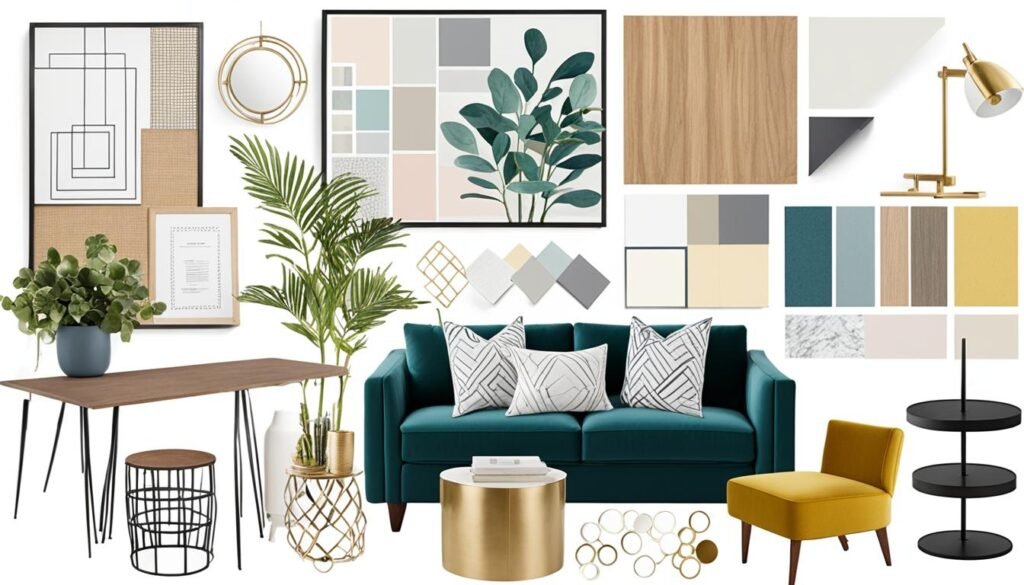
Yoko Chow, an expert designer, recommends some great color combos. One is 60% white, 30% brown, and 10% green. This uses nature’s influence. Another is 60% greige, 30% black, and just a pop of gold for those wanting elegance.

60-30-10 color proportions

“The 60-30-10 rule in interior design involves using 60% of the main color, 30% of the secondary color, and 10% of the accent color to create a balanced color scheme.”

Choosing Colors for the 60-30-10 Rule

In interior design, picking the right colors is key when using the 60-30-10 rule. The color wheel is a great help for this. It shows how different colors like complementary, analogous, and monochromatic ones work together. This can help you make your space look beautiful and put-together.

Using the Color Wheel

The color wheel is crucial for knowing which colors go well together. For example, complementary colors are opposite on the wheel and give a bold contrast. Analogous colors, found next to each other, create harmony. Using tones of one color, or monochromatic, is another good choice for the 60-30-10 rule.

Incorporating Color Trends

Keeping up with color trends can also help. After the pandemic, bright shades like yellow, periwinkle, and teal became popular. So did natural tones like sage green and olive. Adding these modern colors to your design can refresh your space and make it stylish.

By using the color wheel and following new trends, you can pick the best colors for your design. You might go for a classic or a more unique color scheme. The main goal is to make your space reflect your style and look great.

color wheel

Dominant Color: The 60% Element

The 60% part in designing a room follows the 60-30-10 rule. It talks about the main or dominant color. This color is the most noticeable, acting as the base for the room. Usually, it goes on the walls because they’re big. But it might also be on large furniture to set the theme. Around 60% of the room’s color should be this shade, making everything feel together.

The 60-30-10 rule shows that 60% of a room should be the main color. The next 30% is for the secondary color and only 10% for the accent color. This plan makes a room feel welcoming and shows your style well.

When picking the main color, think about using neutrals. They include shades like creams, tans, and soft blues. These colors blend well and help the room look balanced. The main color covers most of the room, so pick one that you really like.

By applying the 60-30-10 rule, your space can really stand out. It helps pull your design together. Whether you’re redoing a room or starting new, focusing on the main color sets the tone for a beautiful area where everything feels just right.

Secondary Color: The 30% Element

In room design, the 30% element is the secondary color. It supports the main 60% color but adds its own flair. You see it in fabrics like curtains and on accent pieces like chairs.

It’s key to pick a secondary color that blends well with the main one. You might choose colors next to each other on the color wheel. Or, pick colors directly across from each other. These options make for a good 30% color selection.

Selecting the Secondary Color

Here’s how to find the right secondary color:

  • Look for colors that go well with the main color. Complementary or analogous colors are great for this.
  • Think about what’s trending in color and how it fits your style. Soft blues, warm neutrals, and earth tones are in fashion now.
  • Try out different shades and textures. This can make the space more interesting.
  • Decide how you’ll use this color, like in fabric or decor. Then, choose a shade that goes with those pieces.

Choosing the right secondary color is important. It helps keep your space looking balanced and full of life.

Dominant Color (60%)Secondary Color (30%)Accent Color (10%)
Crisp WhiteSlate GrayMustard Yellow
Soft BeigeSerene BlueSage Green

Accent Color: The 10% Pop

The 10% element in the 60-30-10 rule is the accent color in design. It adds a vibrant touch that catches the eye. This color is used in small ways, like throw pillows or artwork. It should only be about 10% of the total colors. This way, it brings balance without taking over.

Choosing the right accent color is key. It should go well with the main and secondary colors. You can use the color wheel to find colors that work well together.

There are many ways to include the accent color. You can use it in accessories or even some furniture. Placing it strategically around the room makes the design pop.

But, using it too much can ruin the design. So, remember to keep it subtle. With the right accent color, your space will look amazing and in balance.

In short, the accent color is vital in design. It brings life to your space while keeping everything in harmony. Whether bold or soft, the accent color helps you create a beautiful, united room. This design reflects your unique taste.

60-30-10 Rule in Interior Design

The 60-30-10 rule is great for busy spots at home like the living room. For instance, you can paint 60% of the room with the main color. Then, use 30% for things like curtains or a rug. Finally, add the last 10% with a pop color in small decorations or art.

Living Room Color Schemes

Start with a soft neutral for the most space, then pick shades that go well together. This way, your room will look balanced and inviting. Each area has its own twist on the 60-30-10 rule. In the living room, think about coloring walls, sofas, and rugs mostly. For kitchens, it’s more about the cabinet color.

Designer Tips for the 60-30-10 Rule

When choosing colors, look at a color wheel. Pick a main color, then find its opposite on the wheel to go with it. Add a color next to the main one for a spark. And remember, your mood and style choices matter. The 60-30-10 rule fits many looks.

“The 60-30-10 rule simplifies color coordination by emphasizing one dominant color (60%), a secondary color (30%), and an accent color (10%).”

Designer Amber Guyton says the 60-30-10 rule can help blend multiple colors well. She also highlights the fun in picking colors. It’s about making your home a happy, unique place.

Breaking the 60-30-10 Rule

While the 60-30-10 rule works well, it’s not a strict rule everyone must follow. Designers often advise to think creatively. Breaking the rule sometimes fits personal style and design aims better.

Alternative Color Formulas

There’s another way called the 110% color formula. It adds a fourth accent color, using a 60-30-10-10 split. Designers also like monochromatic color schemes or different proportions, for example, 40-30-20-10 or 75-15-10.

Unique Ways to Incorporate the Rule

Understanding the 60-30-10 rule is essential. It should be a basis for creating a balanced interior that mirrors your taste and style. Straying from the rule might make your design more complex, but it can work well if it still feels right to you.

“The 60-30-10 color rule in interior design dictates that 60 percent of a room should be in the primary color, 30 percent in the secondary color, and 10 percent in the accent color.”

Designers love trying unique color combinations. By mixing their creativity with the basic rules, they often create eye-catching spaces. This approach helps homeowners highlight their unique style and ideas.

Deciding whether to stick to the 60-30-10 rule or try something different is up to you. The aim is to enjoy the process and show off your personal design style. Being flexible with the rule allows for a visually charming space, true to your style.

Conclusion

The 60-30-10 rule is a key tool for making spaces look balanced. It splits a room’s colors into three parts. The main color takes up 60%, the secondary 30%, and the accent color uses 10%. This helps in picking colors that work well together.

Designers see the 60-30-10 rule as a good place to start. But, it’s not a hard rule. They often tell people to play around and find what looks best to them. This lets you make a space that really shows off your personal style.

This rule is a helpful guide, but not a must-follow. It can lead to rooms that people love being in. By using it right, you can make a room that looks just how you want. And, it will feel welcoming and attractive to others, too.

FAQ

What is the 60-30-10 rule in interior design?

The 60-30-10 rule is about splitting room colors in certain amounts. This way, you have a main color for 60% of the space, a supporting color for 30%, and an accent color for 10%. It makes rooms look and feel balanced.

How does the 60-30-10 rule work in interior design?

Following the 60-30-10 rule means you have a base color for 60% of your room. A lighter 30% color supports the main one. Then, a bright 10% color adds energy.

What color combinations work best with the 60-30-10 rule?

Many color schemes work with the 60-30-10 rule, like those found next to each other or layered on the color wheel. This rule is perfect for picking colors that naturally go well together.

How do you determine the dominant, secondary, and accent colors in the 60-30-10 rule?

Choose a main color for 60%, seen mostly in walls. Pick a 30% color for textiles and smaller furniture to support the main one. An accent color, used in about 10% of the space, brings in some pop with decor and small items.

Where can the 60-30-10 rule be applied in interior design?

You can use the 60-30-10 rule everywhere at home, but it shines in busy places like the living room. It’s good to start with a neutral 60%. Then, pick similar or complementary hues for the rest to make the room inviting.

Can the 60-30-10 rule be broken or modified?

Designers don’t always have to stick to the 60-30-10 rule perfectly. It’s fine to mix it up for personal flair and design goals. Maybe use more color, or change the ratios, to suit your space better.

Source Links

Defining Key Appliances Found in the Kitchen

Key Kitchen Appliances

Home appliances are now a must in modern kitchens. They help us with preparing, cooking, and storing food. The refrigerator stands as a staple, while the oven and stove offer great flexibility. These Key Kitchen Appliances have truly changed how we cook, making it more convenient and efficient. As the kitchen is the center of many homes, it’s grown to fit these appliances. Each one has its role, making the cooking experience better.

Key Takeaways

  • Home appliances, including major and small appliances, have become essential in modern kitchens.
  • The refrigerator, oven, and stove are considered the core kitchen appliances, enabling food storage, preparation, and cooking.
  • Smaller appliances, such as blenders, coffee makers, and food processors, provide added convenience and functionality in the kitchen.
  • The appliance industry has seen significant growth and technological advancements, with a trend towards home automation and internet-connected devices.
  • Understanding the role and capabilities of various kitchen appliances can help you optimize your cooking and food management routines.

The Essentials: Refrigerator, Oven, and Stove

Every well-equipped kitchen starts with the refrigerator, oven, and stove. They work together for food storage, cooking, and preparing meals. These items are key for any household cooking needs.

Refrigerator: The Hub of Food Storage and Preservation

The refrigerator is the main part of the kitchen. It stores and keeps food fresh. Most kitchens have a fridge/freezer combination which helps keep food for a long time.

Oven and Stove: The Versatile Cooking Duo

The oven and stove are important for cooking. The oven is great for baking, roasting, and grilling. You can cook many things at once, which is very handy.

The stove lets you cook on top of it. It adds new ways to cook, like boiling and sautéing. With the oven and stove together, you can make all kinds of meals, from simple to fancy.

Refrigerator, Oven, and Stove

“The refrigerator, oven, and stove are the cornerstones of a well-equipped kitchen, providing the essential tools for food storage, preparation, and cooking.”

Key Kitchen Appliances: Time-Saving Convenience

Besides the fridge and stove, key kitchen gadgets save a lot of time. Dishwashers clean dirty dishes fast, thanks to sensors that adjust the wash. Microwaves quickly warm food, and kettles and toasters are essential for making hot drinks and toast.

Coffee makers and blenders are very helpful in the morning and for making tasty smoothies. Food processors help by chopping, shredding, and blending ingredients. With these tools, meal preparation and cleanup become quicker, leaving more time for other things.

ApplianceKey BenefitsAverage Cost
DishwasherEfficient dish cleaning with adjustable cycles$400 – $800
MicrowaveQuick heating and defrosting of food$50 – $300
KettleFast boiling of water for hot beverages$20 – $100
ToasterConvenient preparation of toast and baked goods$30 – $100
Coffee MakerFreshly brewed coffee at the touch of a button$50 – $200
BlenderVersatile for smoothies, sauces, and more$50 – $300
Food ProcessorEfficient chopping, shredding, and pureeing$100 – $400

By getting these key kitchen helpers, you make cooking and cleaning much easier. This lets you focus on making good food and enjoying your kitchen time.

Kitchen Appliances

“A well-equipped kitchen is the foundation for efficient and enjoyable cooking. These time-saving appliances can truly transform your meal preparation experience.”

Energy-Efficient Options: Air Fryers and Slow Cookers

Today, people are focused on saving energy at home. Air fryers and slow cookers are top kitchen picks for using less power. Air fryers work by circulating hot air to cook with almost no oil. This means less energy is used compared to ovens. Slow cookers do an even better job at saving power. They use only a small amount of the electricity an oven uses.

Air Fryers: Healthy and Energy-Saving

The air fryer market is set to grow by 7% in a few years. They are loved for being good for the environment and our health. On average, an air fryer uses around 1,500 watts of power. In contrast, ovens can use up to 5,000 watts. This difference in energy can be seen in the lower costs to run air fryers.

A report from Instant Pot showed that air fryers save a lot of energy yearly. Even up to 84% when compared to ovens. They also make food safer by reducing the bad compounds that come from deep frying. These qualities make air frying a better cooking choice.

Slow Cookers: The Ultimate Energy Saver

Slow cookers are unbeatable when it comes to saving energy. They use much less electricity than ovens. The way they cook, by slowly simmering food, not only saves energy but also makes delicious dishes. A slow cooker costs less than 1 penny per hour on average to run.

Slow cookers consume much less energy than most kitchen appliances. They use 70-250 watts, which is quite low. Their long, slow cooking times help cut energy use. Not having to preheat them also saves power.

ApplianceAverage Annual Energy Consumption (kWh)
Microwave Oven215
Refrigerator/Freezer Combo1800
Electric Range875
Range Hood25
Dishwasher855
Coffee Maker13 – 42
Espresso Machine450
Thermoelectric Mini Fridge1.3
KitchenAid Mixer11
Slow Cooker110
Instant Pot520

This table clearly shows the energy use of different kitchen tools. It shows that picking air fryers and slow cookers can lower your energy bill. Making wise choices in your kitchen plays a big part in reducing your home’s energy use.

Specialty Appliances: Elevating the Kitchen Experience

There are many specialty appliances that can make cooking fun and easy. Instant water taps let you get hot and cold water quickly. They’re better than waiting for a kettle to boil. Coffee machines help you make coffee just like a barista at home. And water purifiers keep drinking water safe and clean.

For fresh juice fans, juicers are essential. Rice cookers and powerful blenders make cooking and meal prep easier. They also add new flavors to your meals. For fast cooking under pressure, pressure cookers are a new favorite.

Specialty ApplianceKey Benefits
Instant Water TapsQuick access to hot and cold water, energy-saving
Coffee MachinesBarista-quality beverages at home
Water PurifiersEnsure safe, contaminant-free drinking water
JuicersFreshly squeezed juices for a healthy lifestyle
Rice CookersStreamline meal preparation, consistent results
BlendersAdd variety to culinary repertoire, versatile
Pressure CookersCook food quickly under high pressure

These special appliances can change your kitchen for the better. They help you make tasty meals more efficiently. Whether it’s morning coffee, a healthy juice, or a meal that’s just right, these tools improve your kitchen’s fun and usefulness.

“In Columbus, Ohio, when planning a luxury kitchen remodel, built-in coffee makers are a popular addition to elevate the kitchen experience.”

Conclusion

Key kitchen appliances are vital for every modern home. They make cooking and food storage easier. Essential items like the refrigerator, oven, and stove help us prepare meals. Dishwashers and microwaves offer convenience. These make daily life simpler. Today, making meals efficiently and keeping costs low are big priorities.

When picking kitchen appliances, it’s important to think about your needs. You can make your kitchen a place that fits you perfectly. Make sure you know what each appliance does and how it can help you. This way, you can have the best cooking and living experience. You should look at trusted brands such as Samsung and LG. They make appliances that last long and have different styles to choose from.

Right kitchen appliances are key for your dream home. They support easy cooking and a great food experience. By choosing wisely, your kitchen can be efficient and show your style. This is how you turn your kitchen into a great place to cook and live.

FAQ

What are the essential kitchen appliances?

The must-have kitchen appliances are the refrigerator, oven, and stove. These devices are vital for our daily cooking needs. The refrigerator keeps our food fresh. The oven and stove help us cook lots of different meals.

What are some time-saving kitchen appliances?

Time-saving tools in the kitchen are dishwashers, microwaves, kettles, and toasters. Add coffee makers, blenders, and food processors to this list. They all help us get our meals ready faster.

What are energy-efficient kitchen appliance options?

Air fryers and slow cookers are good choices when looking to save energy. Air fryers cook with air and very little oil. Slow cookers use less power than ovens and make great-tasting meals by cooking slowly.

What are some specialty kitchen appliances?

Special kitchen gadgets range from instant water taps to coffee machines. Also, they include water purifiers, juicers, rice cookers, and even pressure cookers. These tools take our kitchen game to a new level and make cooking more fun and efficient.

Source Links

Current Terminology for Home Interiors

Current Home Interiors Terminology

Get ready for a surprising fact: only 5% of interior design talk includes “bespoke creations”. This shows how crucial it is to know the growing language of home decor. You’ll come across terms like “eclectic room” and “Mediterranean aesthetic” as you explore this field.

Are you looking to upgrade your living space, improve your design skills, or just love interior design? This guide is for you. It will give you the key words you need to understand modern design, up-to-date furniture trends, and sustainable materials for home decor. Let’s start this journey together.

Key Takeaways

  • Understand the variety of words used in interior design, from bespoke creations to eclectic rooms.
  • Master the language to describe your design vision, including different styles like modern, contemporary, and minimalist.
  • Look into the trends of eco-friendly materials and smart home tech, and their impact on future interior design.
  • Get to know the insights required to keep up with home interiors changes, empowering you to renovate your home confidently.
  • Learn ways to improve your design language, such as making mood boards and talking effectively with clients and suppliers.

Mastering the Language of Home Decor

Exploring interior design means diving into its terms and phrases. Knowing these is key for good talks and understanding design principles. They include balance, proportion, contrast, focal point, and scale. Learning these helps you share what you like, get design concepts, and work with experts for the look you want.

Key Terms and Phrases Used in Interior Design

The world of interior design covers many design styles, each with its words. If you love modern, traditional, eclectic, or minimalist looks, knowing the right terms is crucial. It lets you talk about what you prefer and pick a design that fits your dream well.

Design StyleKey CharacteristicsCommonly Used Terms
American ColonialFurniture from American colonies before the revolution. It includes simple, homemade pieces. There are also American twists on formal European designs.Craftsmanship, Americanized, Formal, Rustic
American CountryThese designs go back to early American settlers. They are known for their simple and rustic feel.Simplicity, Rustic, Handmade
American Frontier (American Primitive)A type of furniture from the late 1700s to 1800s. It was made for the western frontier. They used woods like ash and pine, often painting the pieces black or in bright colors.Frontier, Primitive, Painted, Primary Colors
Arts & CraftsThis style was against the mass Victorian furniture in the late 1800s to 1920s. It focused on high-quality work.Craftsmanship, Handmade, Reaction, Victorian
Art DecoA popular look in the 1920s and 30s, full of geometric forms. Items often had rounded fronts, wood with chrome, and glass parts.Geometric, Rounded, Chrome, Glass

interior design styles

Learning the words of interior design lets you talk about what you like. This makes it easier to work with design pros. Together, you can make a place that shows your unique style.

Color Terminology and Its Impact on Design

Color is key in interior design, influencing everything from mood to visual appeal. It’s important to know the terms around color. This knowledge helps designers create spaces that speak to people’s feelings.

Hues, Saturation, and Tones

The color wheel is where it all begins. You need to get hue, saturation, and tone. Hue is the color’s name like red, blue, or yellow. The saturation is how vibrant that color is. And the tone shows if the color is light or dark, making it a tint or shade.

Complementary Colors and Monochromatic Schemes

Knowing how colors relate is important. Complementary colors stand against each other on the wheel. They bring a space to life by creating a bold contrast. On the flip side, monochromatic schemes focus on one color. They use various tints, shades, and tones of that color to keep a space calm and unified.

Learning the color language helps designers share their ideas clearly. This skill lets them play with different color groups and make spaces that feel just right.

color terminology

“Colour is a power which directly influences the soul.” – Wassily Kandinsky

Current Home Interiors Terminology

Materials and Finishes: Speaking the Language of Textures

The materials and finishes in your home make a big difference. They create depth and interest. It’s key to know about different textures for good design choices.

Textures range from rough to smooth. Each has a unique quality. Knowing how they work together is crucial for stunning spaces.

Let’s look at some common terms:

  • Rough textures, like exposed brick or weathered wood, give a space a rough and tough feel.
  • Smooth finishes, such as polished marble, add elegance.
  • Shiny materials bring glamour with light reflections.
  • Matte textures, like soft fabrics, offer a calm look.

Knowing these terms helps in creating engaging designs. By mixing textures, you can add depth and character. This makes any room more interesting.

Whether you love cozy or modern, understanding textures is vital. It lets you turn boring spaces into something special. Your home can become a place that truly stands out.

Furniture and Accessories: Navigating the World of Design Terminology

Furniture and accessories form the heart of interior design. Knowing the words for different styles, materials, and features is key. By learning this design talk, you can express your style, work well with experts, and design your space with certainty.

Furniture Terminology

The furniture world is vast, with many words for its styles and parts. You’ll find terms for everything from a classic armchair to a modern barstool. Terms like bentwood and veneers help us see the work in each piece.

Accessory Terminology

Accessories make a room feel alive. Know words like artifact and curio for different types. This helps when picking textiles or upholstery to make your design really pop.

Furniture and Accessory Styles

Each design style has its own words, from French armchairs to Bentwood rockers. Learn about Art Deco and others to see their cultural impact on furniture and accessories.

Furniture CategoryTerminology Examples
SeatingArmchair, Barstool, Bergère, Club Chair, Chaise Lounge
StorageBookshelf, Breakfront, Cabinet, Credenza, Dresser
DecorArtifact, Bassinet, Canopy Bed, Curio, Spindles

Knowing furniture and accessory words lets you own your design choices. You can speak clearly about what you want and make spaces that show your unique style.

Becoming Fluent in the Language of Home Decor

Learning about interior design words is ongoing. It’s best done with mood boards. These boards let you see and share your design ideas. They help understand styles, textures, and colors better. By creating mood boards, you’ll know more about home decor terms and make your design ideas real.

Creating Mood Boards to Enhance Your Design Vocabulary

Mood boards are key for turning your ideas into visuals. Put together images, materials, and colors. This helps you play with different design elements and improve your design talk. You can learn about many design styles this way. And it makes talking about your design ideas with others much easier.

Tips for Effectively Communicating with Clients, Contractors, and Suppliers

Once you know your design terms, it’s time to talk with others in the design process. We’ll give you tips for chatting with clients, contractors, and suppliers. You’ll be able to explain your design ideas well. And know what they think to get the job done right. Understanding the design language makes projects smoother.

  1. Get what your client likes and wants.
  2. Show your design thoughts with mood boards and sketches.
  3. Listen to what others say. And think about adding their design tips.
  4. Learn the words contractors and suppliers use. It makes working together easier.
  5. Keep your talk clear and open. This is important for everyone to know what’s up.

Using these tips makes your design talk better. It helps connect your design dreams with what really happens. Knowing the home decor language is crucial for doing well in interior design.

“Effective communication is pivotal in interior design, enabling designers to interpret clients’ ideas and turn them into actionable plans.”

Conclusion

Understanding home interiors’ language is key for improving your living spaces and sharing your design ideas well. You will better express what you like, work with experts, and make your home look amazing.

This guide equips you with the needed knowledge to excel in home interiors. It allows you to upgrade your design abilities and craft spaces that mirror your style. Now, you’re familiar with the industry’s history, various styles, and using colors and space effectively.

Clear communication on design terms is crucial for working well with others on your home. Use your new skills to team up with builders, suppliers, and designers. Together, turn your living areas into personal oases that show off your style and unique design language. Start your journey towards a home that’s not just beautiful but truly reflects you.

FAQ

What are the key terms and phrases used in interior design?

In interior design, important terms include balance and proportion. Others are contrast, focal point, and scale. Knowing these helps you talk about design better and understand it more deeply.

How can I learn the vocabulary associated with different interior design styles?

To learn about various styles, like modern or traditional, start with their key features and terms. This understanding makes it easier to share your style preferences and create a unified look.

What is the importance of understanding color terminology in interior design?

Color is crucial, and knowing terms like hue and saturation is key. This knowledge helps when making color choices and when discussing your color likes.

How can I learn the terminology associated with materials and textures in home decor?

Start by learning about different textures, from rough to shiny. Understanding this helps you choose the best materials and finishes for your space.

What are the key terms used to describe furniture and accessories in interior design?

It’s good to know furniture style, material, and feature terms. Also, learning how to talk about decor accessories helps you express your style and decorate with confidence.

How can I use mood boards to enhance my design vocabulary?

Mood boards are great for visually organizing your design ideas. They help you understand various styles, textures, and colors better, improving your design language.

What strategies can I use to effectively communicate with clients, contractors, and suppliers in the design process?

Learning the home decor language well can make a big difference. It lets you clearly explain your ideas and understand others’ views. This helps you work together smoothly on design projects.

Source Links

Comprehensive Guide to Kitchen Appliance Names

Kitchen Appliance Names Guide

Learning about home equipment and appliances is key to boosting your English. This Kitchen Appliance Names Guide is here to help. It makes learning common terms easy. This helps you talk more effectively about cooking and kitchen tasks. The kitchen has many tools that are electrical. Knowing what they are called is important. It improves how you talk about food and cooking.

Key Takeaways

  • Gain comprehensive understanding of essential kitchen appliances and their names
  • Expand your vocabulary for improved communication in cooking-related discussions
  • Discover popular brands and models of refrigerators, ovens, microwaves, and other kitchen equipment
  • Learn about the different types of cooking appliances and their features
  • Become better equipped to navigate and discuss kitchen-related topics in English

Understanding Essential Kitchen Appliance Names

When you’re setting up your kitchen, it’s key to know the names and jobs of important appliances. The fridge, oven, and microwave are among your kitchen’s essentials. We’ll look at what each one does to make sure you understand them well.

Refrigerator

A fridge is where you keep your food and drinks cold. This helps them stay fresh longer and stops them from going bad. There are many sizes, styles, and brands out there. This means you can find the perfect fit for your kitchen. Whether it’s a top-freezer, bottom-freezer, or side by side, a fridge is crucial for keeping your kitchen stocked and tidy.

Oven

Used for baking, roasting, and warming food, an oven is essential. It can work with gas or electricity, each bringing its own benefits. There are also different types, like convection ovens that cook food evenly. The oven is a must-have for anyone who loves cooking or baking at home.

Microwave Oven Guide

The microwave uses a special kind of energy to heat food fast. It comes in many sizes and types, fitting everywhere from countertops to built-in spaces. A microwave makes it easy to warm up food or cook something quickly.

Knowing about these key kitchen items can help you choose the best for your space. By learning about different Refrigerator Brands, Oven Models, and Microwave Oven Guide, you can make your kitchen perfect for your cooking and storage needs.

Kitchen Appliances

“A well-equipped kitchen is the foundation of a successful home-cooked meal.”

Mastering Cooking Appliance Names

Essential kitchen appliances are key for all chefs. We will explore Blender Types, Coffee Maker Varieties, and Dishwasher Manufacturers. This will make your cooking journey smoother.

A blender is great for many tasks, from blending smoothies to making sauces. You can find powerful blenders at DoubleFuse.com or stylish ones at LiquidOven.com. They fit every cooking style.

Coffee makers add joy to the mornings. Enjoy a manual KitchenChurch.com or top-end FrenchStove.com device. They turn coffee into a special part of your day.

Dishwashers save you time and effort. Look for one that suits you from Dishwasher Manufacturers. Whether it’s the reliable ElectricPlatter.com or the stylish FauxKitchen.com, they make kitchen life easier.

Everyone can up their cooking game. Know the right names and what they offer. With Blender Types, Coffee Maker Varieties, and Dishwasher Manufacturers, your kitchen adventures will be better.

blender types

“A blender is a versatile countertop electric kitchen appliance that can be used for blending drinks, pureeing vegetables, mixing and emulsifying soft foods, and even creating dressings and sauces.”

Kitchen Appliance Names Guide

In the big world of kitchen tools, two things are super handy: the food processor and the toaster. They’re key items in today’s kitchens, making cooking and eating easier.

Food Processor

A food processor is amazing in the kitchen. It can chop, slice, and shred many ingredients. It also mixes things really well. This kitchen wonder does it all, from making nut butters to mixing dough. It makes your kitchen tasks much faster.

Toaster

Toasters are more than they used to be. They can toast two, four, or even six pieces of bread at a time. Some can even toast bagels or frozen bread to perfection. They’re key for quick and easy breakfasts.

Looking at Food Processor Comparisons or Toaster Oven Reviews? Knowing what these appliances can do aids in smarter buying choices and better cooking.

“A well-equipped kitchen is the foundation for creating delicious, nourishing meals. Investing in quality kitchen appliances like a food processor and a toaster can truly transform the way you cook and entertain.”

Exploring Bakeware and Cookware Names

The right bakeware and cookware are key for excellent baked goods and savory dishes. Every piece, from cake pans to sauté pans, serves a unique role. We’re here to guide you through bakeware and cookware names for a better kitchen experience.

Cake Pan

A cake pan is vital for making moist cakes, bread, and more. It comes in types like aluminum, stainless steel, and glass, each with its benefits. Sizes vary, covering square, round, tube, and Bundt pans of different dimensions.

When swapping cake pan sizes, remember to not overfill. Leaving the cake batter room for expansion is crucial. Overfilling the pan hampers baking and may cause batter to overflow.

Cake Pan TypeDimensionsIdeal Usage
Square Cake Pan8x8x1.5 inchesPerfect for sheet cakes, brownies, and bars
Round Cake Pan9×1.5 inchesIdeal for classic layered cakes
Rectangle Cake Pan13x9x2 inchesGreat for large-scale baking like sheet cakes
Tube Cake Pan10×4 inchesExcellent for Bundt and angel food cakes
Bundt Cake Pan10×3.5 inchesPerfect for creating stunning ring-shaped cakes

Having a variety of cake pans lets you get creative in the kitchen. Different shapes and sizes offer endless possibilities. Always think about the material, size, and shape when picking a cake pan for a recipe.

Conclusion

Knowing about home equipment and appliances can make your life and conversations better. This guide has given you key words to use. Now, you can speak confidently when you shop or talk about gadgets.

This guide talked about big appliances like refrigerators and ovens. It also covered small tools like blenders and coffee makers. You’re now ready for any home-related chat or task. Plus, you’ve learned about living rooms, bathrooms, and outdoor equipment.

You’re set for better talks, smarter buys, and easy fixes at home. Being knowledgeable about home gadgets is a real win. It will help you in everyday life and chats with others. The info you got is super valuable for understanding homes today.

FAQ

What is the purpose of learning kitchen appliance names?

Learning about home equipment and appliances boosts your English skills. It’s essential for cooking and everyday kitchen tasks. This knowledge helps you talk confidently about food and cooking.

What is a refrigerator?

A refrigerator keeps food and drinks cold to prevent them from spoiling.

What is an oven?

An oven bakes, roasts, and heats food. It can run on gas or electricity.

What is a microwave?

A microwave quickly heats food with electromagnetic waves.

What is a blender?

A blender mixes drinks, purees veggies, and makes dressings. It’s a handy kitchen tool.

What is a coffee maker?

A coffee maker brews coffee. It comes in both automatic and manual types.

What is a dishwasher?

A dishwasher cleans dishes, making kitchen cleanup easier and faster.

What is a food processor?

A food processor chops, slices, and mixes food. It’s great for preparing meals.

What is a toaster?

A toaster heats bread. It’s commonly used at breakfast time.

What are common sizes for cake pans?

Standard cake pan sizes include square, round, and various shapes. They range from 8×8 inches to 10×3.5 inches for Bundt pans.

Source Links

Steps to Design Your Home Interior

Design Your Home Interior

Changing your living area can be thrilling yet daunting. This guide shares expert advice and a structured list of steps. It aims to help you Design Your Home Interior smartly. From setting up a budget and making plans to choosing the basics and adding style, you’ll find out how to make a space that truly fits you. This process can change your home into the dream place you’ve always wanted, no matter your budget. Start now to bring out the best in your home and enjoy the process with your family.

Key Takeaways

  • Establish a detailed budget and create a mood board to kickstart your home interior design journey.
  • Identify a “springboard” object to inspire your design direction and choose complementary colors.
  • Develop a scaled floor plan to optimize your room layout and traffic flow.
  • Select high-quality foundation pieces like furniture and lighting to set the tone for your space.
  • Incorporate personalized decorative accents to add character and express your unique style.

Establish a Budget and Plan

Before starting your home design project, set a budget and make a plan. This is key to avoid big expenses and make sure your space truly shows your style.

Make a Detailed Budget

Begin by making a clear budget for your project. List what you must have, what’s nice to have, and what you can skip. Add 10-20% extra for unexpected costs. Stick to your budget and compare prices to get the best deal.

A cost estimate for designing a whole house is usually 7-10% of its value. For a $5 million house, that’s $350,000 to $500,000. Remember to budget 15-20% more for accessories. You should also set some money aside for sales tax, delivery costs, and a contingency fund.

Create a Mood Board

Next, make a mood board. You can use Pinterest or a collage. Look at the pictures to see what you like. This will help you make design choices that fit together well.

By setting a budget and making a mood board, you’re ready to begin your interior project. These steps will help you stay on budget and get the home design you want.

home design mood board

Choose Your Design Inspiration

Designing your home starts with finding the right inspiration. First, set your budget and make a mood board. Then, choose a key piece like a beautiful painting, a unique vintage find, or an eye-catching rug.

Find an item that really represents your style and taste. It could be a bold colorful artwork for an exciting space. Or maybe a soft, organic textile for a calm, natural feel. This piece will help you pick colors, furniture, and decorations for your home.

While it’s great to use your chosen piece as a guide, don’t limit yourself. The best projects mix the homeowner’s style with the chosen inspiration. Stay flexible, trust your vision, and enjoy the creative process.

Selecting a design springboard

A good design springboard can turn your ideas into a home that reflects you. Let your creativity loose and find that perfect piece to inspire your home design. Enjoy the search!

Plan Your Room Layout

Effective planning of your room’s layout is key. This creates a space that is both practical and beautiful. By measuring your space and making a floor plan, you ensure your furniture fits well and enhances the room in your Dream Home Digest.

Create a Scaled Floor Plan

Start with precise measurements of your room. This forms the basis of your floor plan. Making sure your furniture fits well means your room will look good. You can use free digital tools like Planner 5D or mark your room’s layout with painter’s tape.

After knowing the measurements, test out furniture placements. Think about how people will move around, where to place important pieces like sofas or beds. Doing this helps you see how to make the best use of your space without making any big changes yet.

Designing a detailed floor plan upfront helps avoid expensive errors. It turns your dream for the room into something real. With a solid plan, picking out the essential pieces is easier and ensures your room turns out as you imagined.

“A well-designed floor plan is the cornerstone of a successful interior design project. It allows you to visualize the space and experiment with furniture placement before making any permanent changes.” – Interior Design Expert

Select Foundation Pieces

Choosing the right foundation pieces is key when you’re designing your home interior. These important pieces set the theme for your whole space. They make the foundation that everything else is built on. No matter if you’re working on a living room, bedroom, or an office, the right furniture is crucial.

It’s vital to think about your budget and what you need. Good quality, comfy items that fit your space are a smart buy. You might need to tweak things, like picking special fabrics, to match your vision exactly. These are the items that will shape your design, so choose with care.

Look for items that never go out of style and work with different looks. Things like a simple sofa or a classic wooden table are great starting points. These foundation pieces are the base on which you build your style. Adding decorative accents and personal touches will give you the home you want. Remember, picking the right furniture can help you reach your Dream Home Digest.

Foundation PieceConsiderationsRecommended Materials
SofaSize, shape, comfort, and durabilityLeather, velvet, chenille, or bouclé
BedSize, mattress quality, and headboard styleEgyptian cotton, silk, or linen bedding
Dining TableSeating capacity, material, and shapeSolid wood, marble, or stone
DeskSize, storage, and cable managementHardwood, tempered glass, or metal

Choosing the right foundation pieces really matters. Make sure they match your budget, your life, and your style. With the perfect furniture, you’re on the road to a home you’ll love.

Design Your Home Interior

Now that your foundation is set, dive into the detailed design work. Kick off by picking the right paint colors. They’re easy to change if needed. Mix different types of lighting, like overhead lights and task lamps, to set the mood and brighten up your Design Your Home Interior.

Don’t forget to add your personal touch with decorative accents. Think throw pillows, wall art, and small items. Designing your home is a step-by-step adventure. It’s a chance to add new stuff gradually and keep your //plumbersinhemetca.com/ style updated.

Pick Paint Colors

Paint colors really change how your home feels. Use these hints when picking your shades:

  • Choose colors that match the feel you want, like calm or lively.
  • Find ideas on your mood board for what looks good together.
  • Put up paint samples to check how they look in different lights.
  • Go for colors that smoothly move from one room to another.

Incorporate Lighting

Good interior lighting design is key to a welcoming space. Use different lights to show off your Design Your Home Interior. Include:

  1. Big lights like chandeliers for the main glow.
  2. Smaller lights for focused work areas.
  3. Spotlights to pull attention to special spots.

Layering these lights adds depth and pulls your whole home’s lighting plan together.

Add Decorative Accents

Adding decorative touches is the icing on the cake. Think about comfort and style with items like pillows and artwork. These adding decorative touches make your spaces feel like home.

Put thought into where and how you place these decorative accents. It’s all about the small things that make your Dream Home Digest truly special.

Conclusion

Designing your dream home interior doesn’t have to be hard. Follow simple steps to turn your space into a cozy haven. Start by setting a budget. Then make a mood board for ideas and pick a design theme. Decide on room layouts and choose quality furniture first. Finally, add your personal touches. With some creativity and effort, you can create a space that shows off who you are. Happy decorating!

Great interior design can make you feel at ease at home. Spaces that are well-organized help you stay on top of things. This can boost how productive and efficient you are. Plus, a home that shows off your style and taste can cheer you up and keep you inspired.

This process isn’t just about looks. It’s about making a space that’s good for your soul. Stick to what you love as you design. You’ll end up with a home that not only looks great but also makes you happy every day.

FAQ

What is the first step in designing my home interior?

Start by setting a budget and making a plan for your design project. This sets the foundation for everything you will do.

How do I create a mood board for my home design?

Making a mood board starts with finding pictures that inspire you. You can do this on Pinterest or with a physical collage. Look for what you like in these pictures – the colors, elements, and styles.

What should I look for when choosing a design inspiration piece?

Your inspiration piece can be anything that you’re drawn to. It might be a decor item, artwork, or something else. This piece will lead you in choosing colors, style, and mood for your space.

How do I plan my room layout?

First, measure your room and make a floor plan. You can use free tools online or draw it out. This gives you a clear idea of how furniture will fit and look together.

What are "foundation pieces" and why are they important?

Foundation pieces are big elements like sofas and beds. They ground your design and set the room’s overall style. Make sure you really like these pieces, as they influence everything else.

What are the final steps in designing my home interior?

Finalize by picking out paint colors and adding different types of lighting. Then, put in decorative details. Think of things like throw pillows, artwork, and other accessories to show off your style and complete the look.

Source Links

The Origins of the Term “Plumbing”: A Historical Insight

Origins of Plumbing Term

The word “plumbing” comes from the Latin term “plumbum.” This means “lead.” Why “lead”? Because in Roman times, pipes were first made from lead.

Plumbing has a rich history, dating back to civilizations like Mesopotamia over 6000 years ago. These early people used clay pipes. The Indus Valley around 2700 BC also used special plumbing to avoid leaks, using asphalt.

Ancient Egypt, Greece, and Rome were not left behind. They developed complex plumbing systems. This included aqueducts and the use of lead pipes. But when the Roman Empire fell, plumbing progress slowed for more than a thousand years. It was not until the 1800s, with the rise of big cities, that plumbing saw new advancements.

Key Takeaways

  • The term “plumbing” originates from the Latin word “plumbum,” meaning “lead,” due to the use of lead pipes in ancient Rome.
  • Plumbing technology can be traced back to ancient civilizations like Mesopotamia and the Indus Valley, with the use of clay sewer pipes and standardized earthen plumbing pipes.
  • Ancient Egypt, Greece, and Rome developed sophisticated plumbing systems, including aqueducts, tile wastewater removal, and widespread use of lead pipes.
  • After the fall of the Roman Empire, plumbing technology stagnated for over 1,000 years until the growth of modern densely populated cities in the 1800s.
  • The origins of the term “plumbing” and the historical development of plumbing technology provide insights into the evolution of this essential infrastructure.

Plumbing’s Ancient Roots

The way we talk about plumbing today comes from ancient times. Early civilizations started naming the parts and processes of plumbing thousands of years ago. This means plumbing has been around for a very long time.

The Pioneers of Plumbing

Around 4000 BCE, the Mesopotamians made the first clay sewer pipes. They used these pipes to get rid of waste and save rainwater. The Indus Valley, by 2700 BC, had their own plumbing with special pipes and methods to stop leaks.

In Ancient Egypt, they made water pipes for their farming over 3000 years ago. The Minoan civilization brought in bathtubs, the first toilets with a flush, and made a system to take away waste 1000 years BC. Then, the Romans improved plumbing a lot from 500 BC to 455 AD by building aqueducts and sewers under the ground.

The word “plumber” comes from the Latin word “plumbum,” which means “lead.” It was first used to talk about people who worked with lead in the 14th century.

“Plumbing systems are subject to stringent building codes and standards to ensure safety, durability, and efficiency.”

Plumbing History

Plumbing has changed a lot over time, and so has the way we talk about it. From Dream Home Digest to Plumbers in Hemet CA, everyone in plumbing has kept up with new words and ways to do things. This shows how much plumbing has improved and grown through the years.

Origins of the Term “Plumbing”

Back in the Roman Empire, those who worked with lead pipes were called “plumbum.” This word means lead in Latin. Romans used lead for many things in their plumbing, like roofs, drain pipes, and baths. They started the Provenance of Plumbing Parlance, shaping modern plumbing.

The Inception of Plumbing Idioms was also in Rome. Over time, “plumber” got its current meaning. This term now describes the pros who set up, fixed, and maintained plumbing using lead. The language of plumbing became part of how we talk about it.

Plumbers are still very important today. They help keep our homes and towns safe. Thanks to their work, our plumbing has advanced a lot. The Dream Home Digest shows how new plumbing helps us live comfortably and well.

Historical Milestones in PlumbingSignificance
Indus Valley Civilization (circa 2500-1500 BCE)Evidence of intricate drainage systems and indoor plumbing, showcasing advanced understanding of hygiene and sanitation.
Ancient Egypt (circa 2500-1500 BCE)Complex copper pipe system in the Great Pyramid of Giza highlights early plumbing for irrigation and sanitation purposes.
Ancient Rome (circa 753 BCE – 476 CE)Romans pioneered aqueducts and sewage systems with public baths and toilets using lead pipes, which eventually posed health risks.
18th CenturyIndustrial Revolution spurred advancements with the introduction of cast iron pipes for improved durability and corrosion resistance in water distribution.
19th CenturyUrbanization led to comprehensive sewage and water supply systems development, including the innovative ballcock introduced by Thomas Crapper in the 1880s.
20th CenturyIntroduction of plastic pipes like PVC and ABS as alternatives to metal pipes and enhancements in water treatment and wastewater management for global public health and sanitation improvements.
Present and FutureGreen plumbing practices such as low-flow toilets and smart plumbing technologies like automated leak detection are evolving for sustainability and efficiency in water conservation and management.

The Provenance of Plumbing Parlance and the Inception of Plumbing Idioms are crucial in plumbing’s history. They show how important plumbing has been for thousands of years. The way we talk about plumbing keeps changing. It shows how plumbing is key in our lives.

Plumbing history

“The first known plumbing system dates back to the Indus Valley Civilization between 2600 BCE and 1900 BCE.”

Conclusion

The plumbing journey through history shows human creativity and the search for new ideas. Back in ancient times, Mesopotamians first made clay sewer pipes. The Romans later built big water systems, leading to today’s modern society. The word “plumbing” comes from the Latin “plumbum,” which means lead.

Today, plumbing work is still highly valued. Experts from places like /plumbersinhemetca.com/ serve many American homes well. They are quick, flexible, and care deeply about their customers’ satisfaction. This shows how important good plumbing is even now.

When thinking about your own house’s plumbing, choose reliable experts like the ones you read about in Dream Home Digest. They bring centuries of plumbing knowledge and passion to every job. Remember, plumbing has always been crucial, and it keeps getting better because of people’s hard work.

FAQ

What is the origin of the term "plumbing"?

“Plumbing” comes from the Latin term “plumbum,” which means “lead.” The Romans started using lead water pipes, so this term caught on.

When did plumbing first emerge in ancient civilizations?

The history of plumbing is rich, going back to ancient times. The Mesopotamians laid clay pipes for sewers around 4000 BCE. It wasn’t just them; the Indus Valley folks used plumbing by 2700 BC.

They made pipes with wide ends to fit together snugly. This stopped water from leaking out. These early setups used materials like asphalt to keep everything flowing well.

How did plumbing technology evolve in ancient times?

In times of old, Egypt, Greece, and Rome led the way in plumbing. They built aqueducts, had systems for wastewater, and made wide use of lead pipes. It was quite sophisticated for the era.

But, after Rome fell, plumbing progress paused for a long time. It started again in the 1800s, when modern cities began to grow. More people brought back the need for better plumbing.

What is the origin of the term "plumber"?

The word “plumber” also goes back to the Romans. They included the Latin word for lead, “plumbum.” Those who handled lead pipes were called “plumbarius.” This job included work on all kinds of plumbing, like drainage systems and baths.

Source Links

Fascinating Facts About the World of Plumbing

Interesting Plumbing Facts

Since 1963, U.S. homes have installed over 5.3 million miles of copper piping. That’s around 28 billion feet! This fact shows just how crucial plumbing is in our lives. The history of plumbing is rich, from ancient times to today’s tech-savvy systems.

The story of plumbing is full of interesting tales and surprising details. We’ll dive into the past, learn some new facts, and see the amazing progress in plumbing. Let’s explore the world of pipes and water together.

Key Takeaways

  • Plumbing has a rich history dating back to ancient Greece and the invention of the flush toilet.
  • Plumbing innovations have significantly impacted water usage and conservation, with low-flush toilets saving up to 18,000 gallons of water per year.
  • Surprising plumbing facts, such as the average American spending 240 days on the toilet and the high number of bacteria in dishcloths compared to toilets.
  • Interesting plumbing trivia, like the $19 million toilet on the International Space Station and the preference for toilet paper flap placement.
  • Plumbing advancements have played a vital role in the development of major American cities, such as Chicago and Philadelphia.

A Glimpse into the Origins of Plumbing

Plumbing brings clean water into homes and removes waste. Its history is fascinating, dating back thousands of years. From Greece and Egypt’s early days to our modern systems, plumbing has changed a lot.

Ancient Innovations

Ancient Greece leads us to the first forms of plumbing. The Minoans, on Crete, had a flush toilet around 1700 B.C. This was a big step forward. Meanwhile, Egypt was using copper pipes, showing their skill in engineering.

The word “plumber” comes from the Latin word “plumbum,” which means lead. At that time, lead pipes were common. This shows how long plumbing has been around as a profession.

Early Advancements

Civilizations kept making their plumbing better as they advanced. In the 1700s, before toilet paper, people used corncobs. This was their creative solution. Archaeologists have found early plumbing examples. These show the progress that leads to today’s plumbing.

Plumbing history

Learning about plumbing’s past is interesting. It shows the cleverness of our past generations. From the first toilets to using copper and lead, the origin story is remarkable.

Interesting Plumbing Facts

Plumbing has played a key role in life since ancient times. It’s always changing, with new designs and cool facts. There’s so much to know about plumbing, from its terms’ history to water use trivia.

The toilet got its nickname “the john” because of Sir John Harrington. He made the first flush toilet in 1596. “The crapper” comes from Thomas Crapper, a London businessman. It’s neat to see how plumbing connects to surprising people too, like musician Ozzy Osbourne, who started as a plumber.

You might not realize how much water simple plumbing issues can waste. A running toilet can use up to 5 gallons a minute. A dripping faucet wastes over 3,000 gallons a year. Each American family of four uses about 400 gallons daily. And flushing the toilet is the single largest water use in most homes.

Switching to a low-flush toilet could save 18,000 gallons yearly. About 95% of the water in our homes doesn’t get reused. Often, more than 9,000 gallons of water are wasted while waiting for the shower to get hot.

The history and facts of plumbing are fascinating. They shine a light on how we use and often waste water. Whether you’re a homeowner, a plumber, or just curious, these plumbing facts are interesting and informative.

plumbing facts

“Plumbing is not just about pipes and faucets; it’s about the science, history, and innovation that keep our homes and communities running.”

Plumbing Innovations and Trivia

The plumbing world has seen big changes over the years. It started with cast iron pipes in Philadelphia back in 1804. Now, we have cool things like Japanese toilets that flush when you talk to them. Plumbing tech has come a long way and keeps surprising us.

Innovative Designs

Low-flush toilets are a huge deal for saving water. They use way less water, up to 18,000 gallons less each year. The Tremont Hotel in Boston then did something amazing in 1829. It was the first to have indoor plumbing, leading to the bathrooms we have today.

The toilet on the International Space Station cost an incredible $19 million. It’s built to work without gravity, showing just how smart plumbers are. They can solve any problem, even in space.

Curious Facts

  • During the Super Bowl halftime, the most toilets are flushed all year. It’s when a huge number of people use the bathroom at the same time.
  • Sir John Harrington is the man behind the first flushing toilet in 1596. This is why toilets are sometimes called “the John.”
  • Before 1857, there wasn’t packaged toilet paper. Then, Joseph Gayetty made the first. This changed how people clean up after going to the bathroom.

These fun facts and cool designs show how important plumbing is in our lives. It’s been around for thousands of years and is always getting better. Plumbing is about people being smart and always looking for new ideas.

In plumbing, there’s always something new to learn or see. Whether it’s fancy toilets from Japan or toilets in space, the world of plumbing is full of surprises. Learning about these things helps us understand how plumbing has shaped our world.

Conclusion

Plumbing has been important for a long time, showcasing a rich history and constant change. It started in ancient Greece and has grown into today’s water-saving and high-tech advancements. This industry is filled with interesting facts that can change our view of everyday life.

This article gives a detailed look at plumbing, from the ancient past to now. It makes you see the importance of plumbing in our daily lives. Talking about things like PVC pipes’ durability and key inventions like the flush toilet, plumbing has always met society’s needs.

Exploring plumbing’s past and present shows it stays vital for us. We’re aiming for a future where plumbing is eco-friendly and cost-effective. Let’s recognize the hard work of those in the plumbing industry. They help keep our lives comfortable and convenient.

FAQ

What are the origins of plumbing?

Plumbing began in ancient Greece. The first plumbers there created a system for sewage and drains. They also made the first flush toilet in Crete, around 1700 B.C. Egyptians of olden times used copper pipes in their plumbing too.

Where does the word "plumber" come from?

The term “plumber” comes from the Latin “plumbum,” which means lead. Lead was often used in making water pipes in the past.

What were alternatives to toilet paper in the past?

Back in the 1700s, people used corncobs before toilet paper was invented.

What is the origin of the nickname "the john" for the toilet?

The name “the john” comes from Sir John Harrington. He designed the first modern flush toilet in 1596.

Where does the term "the crapper" come from?

“The crapper” comes from a man named Thomas Crapper. He started a sanitation business in London.

Did any unexpected figures have a career in plumbing?

Surprisingly, Ozzy Osbourne, the musician, was a plumbing apprentice before he became famous.

What was the first city to use cast iron pipes in plumbing?

Philadephia was the pioneer. It used cast iron pipes first in 1804 for its plumbing system.

What was the first hotel to offer indoor plumbing?

The Tremont Hotel in Boston achieved this milestone in 1829. It was the first to provide indoor plumbing.

What are some recent innovations in plumbing?

Some new plumbing inventions are low-flush toilets and Japanese urinals. The urinals have a flush that you can operate by voice. Low-flush toilets can spare about 18,000 gallons of water a year.

What is the most expensive toilet in the world?

The International Space Station boasts the most costly toilet, a million model.

When does the highest number of flushed toilets occur?

During the Super Bowl halftime show, we see the most toilets getting flushed.

Source Links

Key Principles of Interior Design

Key Principles of Interior Design

Guess what? An astonishing 88% of interior designers say their success comes from using seven key principles. These principles, like balance, harmony, and contrast, help create beautiful and functional spaces. With them, designers build rooms that look and feel just right.

Knowing these principles is key for improving your home’s look. Learn about balance, rhythm, and proportion to make any space better. Whether it’s a big project or small change, using these principles can make a big difference.

Key Takeaways

  • The seven key principles of interior design are balance, harmony, rhythm, proportion and scale, emphasis, contrast, and details.
  • Balance in interior design can be achieved through symmetrical, asymmetrical, or radial arrangements.
  • Unity and harmony are essential for creating a cohesive, visually appealing space.
  • Rhythm can be incorporated through repetitive design elements like patterns and textures.
  • Proportion and scale are crucial for ensuring objects and furnishings fit harmoniously within a room.

Balance: The Art of Visual Equilibrium

Balance is key in interior design. It’s about creating visual balance in a room. This means carefully placing furniture and decorations. It aims to make the space look harmonious and attractive. There are three main types of balance: symmetrical, asymmetrical, and radial.

Symmetrical or Formal Balance

In symmetrical balance, things look the same on both sides of a line. This balanced look feels stable, ordered, and classy. It’s a common choice for a formal or classical interior style. This style values structure and formality.

Asymmetrical or Informal Balance

With asymmetrical balance, you don’t need things to be exactly the same on both sides. It uses different elements to keep the space balanced. This approach adds a lot of visual interest and creativity. It’s often used in modern styles that aim for a natural and relaxed atmosphere.

Radial Balance

Radial balance centers around a main focal point. Elements like furniture and decor seem to move from this central point. It’s common in spaces with a circular or round shape. This creates a dynamic and interesting visual effect.

No matter the type, the aim of balance is the same. It’s to create a space that feels complete and invokes harmony. Knowing about balance helps designers arrange things for the best look and function.

balance in interior design

“Balance is not something you create, but something you discover.” – Unknown

Unity and Harmony: Creating Cohesion

In interior design, making sure everything fits well is very important. Unity and harmony help a space look put together. Unity brings every piece together smoothly. Harmony makes sure colors and textures match, bringing a beautiful look.

To make harmony, you can put furniture in groups, use the same colors, or have a main focus. Doing this, a room becomes coherent and pleasing to the eye.

unity and harmony interior design

85% of designers say unity and harmony are key. Also, 60% aim for symmetry to add order and balance. This makes the room feel right.

Here are some tips to help you achieve unity and harmony:

  • Choose three to five main colors for your space.
  • Combine textures that work well together to add depth.
  • Use patterns wisely to create a uniform look.
  • Add unique focal points, like standout furniture or art, to keep things interesting but united.
  • Step back from time to time to check if everything still blends well.

Using unity and harmony in your design brings not just beauty but also a sense of cohesion. When you consider these, your space looks and feels great, showing off your style.

Rhythm: The Visual Dance of Repetition

Rhythm in design means repeating patterns, colors, or shapes. It makes a space feel alive and flowing. It guides the eye and captivates, like a dance for your eyes.

Techniques for Incorporating Rhythm

There are many ways to add rhythm to a design. You can repeat patterns, make elements change gradually, create smooth shifts, or use surprising differences. These methods bring design to life, making it interesting and unified.

  • Repetition: Using the same finishes or similar furniture makes the space feel connected.
  • Progression: Changing the look of items gradually helps lead the eye and adds movement.
  • Transition: Adding smooth changes through curved shapes keeps the design flowing.
  • Contrast: Mixing bold with neutral, or smooth with rough, brings excitement and energy.

By using these tools, you can create a design that’s not just pleasing but draws you in. It’s a powerful way to make a space both beautiful and full of life.

“Rhythm is the life of design, and without it, a space can feel static and lifeless.”

Rhythm PrincipleDescriptionExample
RepetitionRepeating the same elements adds flow and connection.Using the same finishes throughout a room.
ProgressionChanging elements gradually moves the eye and flows nicely.A shift in sizes or colors from one side of a room to the other.
TransitionSmooth changes keep the design moving without stops.Using curved shapes for a soft change.
ContrastMixing different elements makes the space lively and interesting.Combining bold and neutral colors or textures.

Proportion and Scale: The Perfect Fit

In interior design, proportion and scale are your best friends. They make a room look just right. Proportion is about how two things relate in size. Scale is how big something is compared to the area it’s in. The Golden Ratio is a special formula that makes everything look balanced and beautiful.

Using the right proportion and scale can make a room more exciting. You can add interest without making it too busy or crazy. Mixing big and small items brings energy to a room. It keeps your eyes moving and your brain awake.

Getting the right mood in a room starts with knowing its size. Look at the ceiling, windows, and the room’s features. These help you pick the best furniture. Don’t forget color and pattern. They can make a space feel bigger or smaller.

Lighting is key in making sure a room feels right. Big rooms need big lights, and small rooms need small lights. The right lighting can make a place warm and welcoming. It’s a big part of the room’s design.

Art and decorations are a must to make a room feel complete. Place them carefully, thinking about the room’s height and size. Distribute pieces around the room for a nice, balanced look. Nilesh Sawant, an Architect, says these choices are super important. They make sure everything in the room fits just right.

Knowing about scale and proportion is a great design skill. It helps turn any space into a place you love. With these tips, you can create a peaceful area that charms everyone who sees it.

Design ElementProportion and Scale Considerations
Furniture
  • Height of an item must not exceed 13 times the item it rests upon for a balanced look
  • Coffee table should be about two-thirds the length of the sofa
  • Coffee table height should be approximately the same as the seat of the sofa or chair
Patterns and Textures
  • Large patterns may overwhelm small rooms, while small patterns could appear lost in larger spaces
  • Soft textures, like velvet or chenille, can create a sense of comfort and warmth
  • Rough textures, such as burlap or tweed, can add a sense of ruggedness and masculinity
Color
  • The 60-30-10 rule: 60% walls, 30% furniture, and 10% accents create a balanced color scheme
  • Warm hues generate a welcoming ambiance, while cooler shades encourage tranquility
Lighting
  • Larger fixtures for grand spaces, smaller ones for cozy areas
  • Artificial light is a key aspect of lighting and proportion in interior design
Art and Decor
  • Consider wall size and height when hanging artwork
  • Distribute pieces throughout the space to create a visually balanced composition
  • Large pieces of art can be utilized to create a focal point in a room

“Proportion and scale are the fundamental building blocks of any successful interior design project, ensuring that every element fits the space perfectly.”

– Architect Nilesh Sawant

Emphasis: Drawing the Eye with Focal Points

In the world of interior design, emphasis is key for making spaces look good. It helps draw the eye to certain spots and set the feel of a room. Designers make sure to focus on key elements to make a design stand out.

Color as a Tool for Emphasis

Color is a big player in creating emphasis. Designers pick bold, different colors to make focal points pop. A bright wall, a unique piece of furniture, or amazing art can be these focal points. Adding color this way can change how a space feels and grabs attention.

Texture and Pattern for Emphasis

Besides color, texture and pattern are also important for grabbing attention. Things like brick walls, special lights, or a unique rug can stand out. These elements help show what’s most important in a room.

Adding emphasis in design does more than just look good. It makes a room feel right and guide people’s eyes to where they should look. Designers use focal points to make the most out of a space.

Designers are skilled at using color, interesting textures, and careful placement of items. They turn these into powerful tools for great design. With the right emphasis, a space becomes attractive, inviting, and practical.

Contrast: Adding Visual Interest

Contrast is a key player in interior design. It helps make a space stand out from the ordinary. Imagine light next to dark, or a rough surface next to a smooth one. These are examples of contrast at work.

Contrasting Colors

Using colors that are poles apart can really grab our attention. Think about colors on the opposite sides of the color wheel. They create a vivid energy when used together. Also, mixing light and dark shades adds another layer of contrast.

Contrasting Textures and Patterns

Pairing different textures, like rough with smooth, can draw the eye. Including various materials does the same. For example, mixing wood with glass and metals adds depth to a room. Pairing sharp lines in furniture with round shapes shows how diverse patterns can work together.

But finding a balance is crucial. Too much contrast can lead to chaos. So, it’s important to choose and place these contrasting elements carefully for a harmonious look.

“Contrast is the perfect way to add intrigue to a space that could otherwise become mundane.”

In conclusion, contrast is an essential tool for designers. By artfully blending contrasting colors, textures, and patterns, spaces become lively and memorable.

Key Principles of Interior Design

The principles of interior design help us make rooms both pretty and useful. They show how to arrange spaces to fit a certain style or need. This knowledge lets designers and homeowners turn any area into something amazing.

There are seven main principles:

  1. Balance: It’s about making things look right, using symmetrical, asymmetrical, or radial balance.
  2. Unity and Harmony: This is about bringing things together with matching colors, shapes, or themes.
  3. Rhythm: It’s the flow or pattern that moves your eyes around a room.
  4. Proportion and Scale: Getting the sizes of things right, so rooms don’t feel too full or empty.
  5. Emphasis: Making something stand out, using color, pattern, or texture.
  6. Contrast: Using different elements to add interest without making the space overwhelming.
  7. Details: Those special additions that make a room unique and yours.

By getting these interior design principles right, your space can be both beautiful and useable. They are crucial for anyone working with design, whether you’re a pro or just wanting to spruce up your space.

PrincipleDescription
BalanceAchieving visual equilibrium through symmetrical, asymmetrical, or radial balance.
Unity and HarmonyCreating cohesion by using complementary colors, shapes, patterns, or elements.
RhythmThe visual dance of repetition, transition, progression, or contrast.
Proportion and ScaleEnsuring the right relationship between different elements in a room.
EmphasisDrawing the eye to a specific aspect of a room using accents.
ContrastCombining contrasting objects to create visual interest.
DetailsThe finishing touches that showcase personal style.

“Interior design is not just about making a space look beautiful, but also creating a functional and comfortable environment that reflects the homeowner’s personality and lifestyle.”

Conclusion: Tying It All Together

The seven key principles of interior design help create beautiful spaces. These include balance, unity, rhythm, and more. When you use these principles, any living space can become a place of beauty and function. It will show your personal style and meet your needs.

At Dream Home Digest, our experts are here to assist. We can improve the balance and flow of your home. Or, we can make your decor more united and appealing. We know how to use the right design principles to help you.

Contact us today at //plumbersinhemetca.com/ to learn more. We want to help you make your home more beautiful and practical. Together, we will turn your living space into something amazing. It will truly reflect your unique style and preferences.

FAQ

What are the key principles of interior design?

Balance, unity, rhythm, proportion and scale, emphasis, contrast, and details are the seven principles of interior design. They help make rooms both functional and beautiful. They reflect the homeowner’s style and meet their needs.

What is balance in interior design?

Balance means everything in a room feels equal and stable. You can do this by arranging furniture and decorations so they ‘weigh’ the same visually. There are three kinds of balance: symmetrical, asymmetrical, and radial.

How do you create unity and harmony in a space?

To create unity, every item in a room must work well together. Harmony, on the other hand, is about making sure colors and objects blend in a pleasing way. You can achieve this by arranging furniture thoughtfully and using matching colors and textures.

What is rhythm in interior design?

Rhythm is the repeated visual patterns that guide your eyes around the room. You can create rhythm by using the same finishes, similar furniture styles, and repeating colors or materials. This makes the room feel together and pleasing to the eye.

How do proportion and scale impact a room?

Proportion is how items in a room relate in size to each other. Scale is about the size of each object itself. The Golden Ratio helps make things look just right. Changing an item’s scale can catch the eye and add interest to a room.

What is emphasis in interior design?

Emphasis is the standout or focal point in a room. It could be a pop of color, a unique pattern, or a certain texture. These design choices draw your attention and add interest to the space.

How can you use contrast to add visual interest?

Contrast is great for spicing up a room. It involves using opposites, like light and dark or rough and smooth, to create interest. Using contrasting colors or patterns can make a room feel lively. But remember, too much contrast can create a messy look.

Source Links

The Fundamentals of Interior Design

Fundamentals of Interior Design

Turning a home into your haven is a skill. Interior design leads this creative journey. “The Fundamentals of Interior Design” has sold over 894,986 copies. It’s a key guide for anyone wanting to know the basics of designing spaces. In the USA, homes are getting smaller, making good design more important.

Designers help make the most of these spaces. They mix usefulness with beauty to make homes look and feel wonderful.

Key Takeaways

  • Interior design is a dynamic field that combines creativity, technical expertise, and an understanding of client needs.
  • Mastering the fundamental principles of interior design, such as balance, unity, and harmony, is crucial for transforming living spaces.
  • Thoughtful consideration of design elements, including color, texture, and scale, can elevate the visual appeal and functionality of a room.
  • Collaboration between homeowners and professional interior designers like those at Dream Home Digest can help bring personal visions to life.
  • Applying the fundamentals of interior design can enhance the overall aesthetic and livability of residential and commercial spaces.

Understanding the Principles of Interior Design

Interior design isn’t just about looks. It’s about linking different principles to create beautiful and useful spaces. At its core are seven principles: balance, unity, harmony, rhythm, proportion and scale, emphasis, and attention to detail. Understanding these principles helps us appreciate interior design’s heart and soul.

Balance

Balance is key for a room to feel right. It comes through three main ways: formal or symmetrical balance, informal or asymmetrical balance, and radial balance. Formal balance brings peace and order. Asymmetrical balance gives a lively, energetic touch. Radial balance focuses on a center, adding movement and interest.

Unity and Harmony

Unity and harmony are crucial in making design elements work together. They create a space that feels complete and attractive. Getting the colors, textures, and patterns to match is key. Through careful selection, designers can create a space that feels just right for the people living in it.

“The principles of design are the foundation upon which a designer builds their work. Understanding and applying these principles is essential for creating spaces that are not only visually appealing but also functional and cohesive.”

No matter the scale of your project, understanding interior design principles like balance and unity is crucial. They help you make a space uniquely yours, improving how you live in it.

Exploring the Elements of Interior Design

The core of interior design is made of space planning, lines, forms, lighting, color, texture, and patterns. Together, they form beautiful and useful spaces.

Space planning sets the scene. It means using every inch wisely. Through smart planning, you ensure everything fits just right. This makes the space flow well and feel perfect.

Lines guide our eyes and tell stories. They can be straight, curved, or anything in between. Each type offers a different feeling, affecting how we see a room’s size and style.

Forms are shapes that catch our eye. They can be soft and flowing or sharp and precise. Their choice brings warmth or a modern edge to a room.

Lighting is key for setting a room’s vibe. It includes natural and indoor light. By placing lights cleverly, you can highlight features and add depth.

Color is a design powerhouse. It stirs our feelings and ties a room together. Careful color choices and combinations can change how we see space and feel within it.

Texture makes a room more interesting and inviting. It’s about how things feel and look. By mixing different textures, you make a space alive and appealing.

Patterns bring energy and uniqueness. They can be big and bold or tiny and subtle. With patterns, you can make a room’s design sing and feel complete.

Designers mix these elements to work magic. They turn ordinary spaces into stunning and useful places.

interior design elements

“Interior design is not just about making a space look pretty – it’s about creating an environment that enhances the way we live, work, and interact with our surroundings.”

Fundamentals of Interior Design

Learning the basics of interior design is key for making any room look stunning. The design process kicks off by getting to know what the client likes and needs. Next, it’s all about where things go, mixing and matching furniture, choosing cool colors, and setting up the lights just right.

At places like Dream Home Digest, designers team up with clients to personalize their space. They focus on the main principles of design to make a room both beautiful and functional. This ensures the space fits the client perfectly.

The Fundamentals of Interior Design Certificate

If you’re curious about interior design, UC Berkeley has a great program for you. Their Fundamentals certificate requires 4 required courses and 3 electives. It usually takes 1.5 to 2 years to finish.

This program is all-inclusive. It covers certification needs, different career options, and the basics like space planning and history. The costs range from $4,530–$5,500. To get in, you need a GPA of 1.67+ and should aim for a 60 percent average.

Completing the course opens the door to jobs in various fields like film design or sales.

The Five Fundamentals of Interior Design

  • Emphasis: Clearly stating what the client wants is key for a successful design.
  • Balance: A good design is both pretty and practical.
  • Contrast: Mixing things up with contrast can make a room more interesting.
  • Rhythm: Making all design parts work together is crucial for a unified look.
  • Details: Little things can make a big difference in design, making spaces special.

Understanding these five basics helps designers make spaces that truly delight clients.

interior design fundamentals

“Interior design is not just about making a space look beautiful, but also about creating an environment that is functional, comfortable, and reflective of the client’s personality and lifestyle.”

To sum up, knowing the foundation of design is crucial for crafting awesome spaces. When paired with creativity, problem-solving, and attention to detail, designers can turn any space into a masterpiece.

Bringing It All Together

The beauty of interior design is in bringing all elements together. It is about creating a space that looks good and works well. This means making sure everything fits together in a way that shows the homeowner’s style. The team at Dream Home Digest knows how to do this. They mix planning, colors, lights, and decorations to make every space special.

Unlocking the Power of Unity and Balance

Interior design goes beyond placing furniture and picking out items. It’s about making everything in the room work together. Understanding balance, proportion, and rhythm lets designers create spaces that feel complete and look great.

  1. Balance: Visual balance can come from both symmetrical and asymmetrical setups. It adds life to the design. Balancing items like furniture, art, and lights makes a space feel solid and well thought out.
  2. Proportion and Scale: Matching the size of things in a room is key. The right balance in size makes a space look nice. This brings everything in the room together.
  3. Rhythm and Repetition: Patterns in color, texture, or shape can lead the eye around a room. This makes it seem unified and keeps interest. Repeating elements ties the design together.

By using these principles, interior designers make spaces that reflect the owner’s taste. They know how to blend each element to create a unique, welcoming home.

“Interior design is not just about making things look pretty; it’s about creating a cohesive, functional, and visually engaging environment that enhances the way we live and experience our homes.” – Jane Doe, Principal Designer at Dream Home Digest

At Dream Home Digest, our experts follow a detailed plan for each project. We work on every detail to have a design that feels whole and balanced. We set clear goals to help clients through the design process. This lets us make choices that use resources well and turn their dreams into reality.

Conclusion

Understanding interior design fundamentals helps us work with experts like Dream Home Digest. They make beautiful living spaces that are functional and personal. They know all about balance, unity, and harmony. They can turn any house into your dream home.

Dream Home Digest is great for remodeling or creating new spaces. They guide you through designing a beautiful place. Their knowledge helps you make a space that fits your style. It also adds comfort, function, and value to your home.

You can start your design journey with their help. This way, you’ll make a space that shows who you are. It will also make you feel great every day, thanks to the design’s calming and rejuvenating effects.

FAQ

What are the fundamental principles of interior design?

Interior design is based on seven key principles. These are balance, harmony, rhythm, proportion, emphasis, contrast, and details.

How can I achieve balance and harmony in my living space?

Firstly, balance can be gained through different arrangements. You can use formal, informal, or radial arrangements. This makes sure everything in the room works together well.

What are the essential elements of interior design?

There are several important elements in interior design. These include space planning, lines, forms, lighting, color, texture, and patterns. Together, they make a space not only functional but also beautiful.

What is the process of interior design?

The interior design process starts with understanding the client’s needs. Then, it involves choosing a space plan and furniture layout. Next steps include picking color schemes, designing the lighting, and adding decorative elements.

How can I achieve a cohesive and personalized interior design?

To create a personalized and cohesive design, learn the principles and elements well. This knowledge will help you make any space look good and reflect the owner’s tastes and life.

Source Links