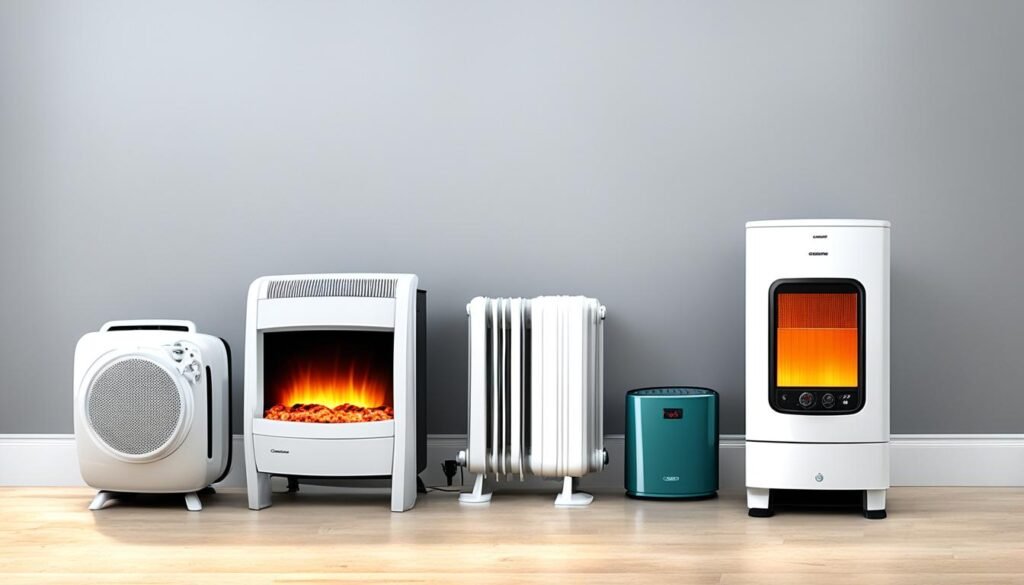
Identifying Appliance Classes: The Only Way to Be Sure

Identifying Appliance Classes

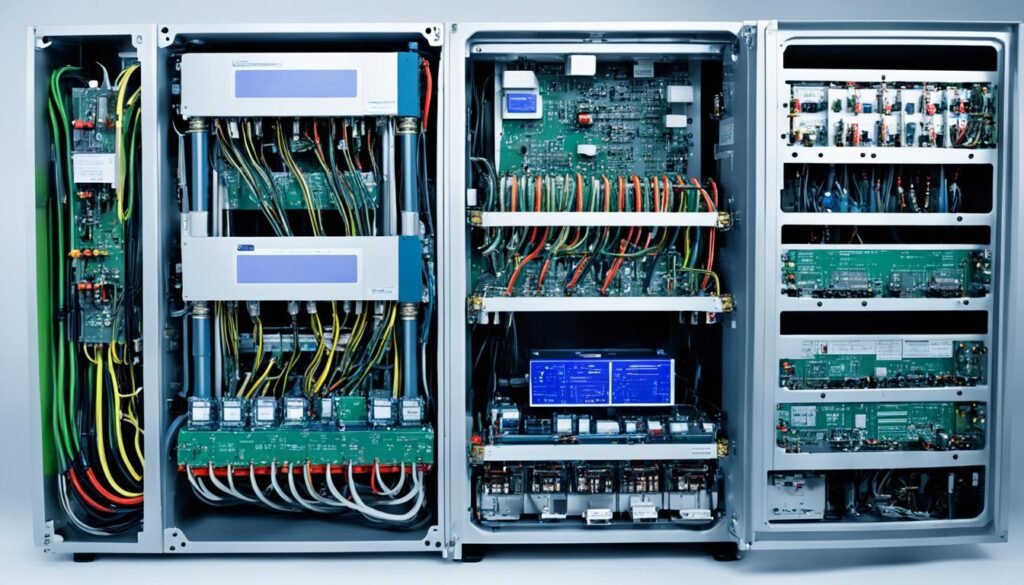
Keeping people and animals safe from electric shocks is super important. The International Electrotechnical Commission (IEC) has set rules for putting electrical devices into groups based on safety, IEC 61140. This lets groups that know about technology safety make their own rules. All electrical stuff must pass a test called portable appliance testing (PAT) before it’s sold to check they meet the right safety standards.

Key Takeaways

  • IEC 61140 gives a system for sorting electrical devices into safety groups.
  • Getting the right safety class is key to avoiding electric danger and needing specific tests.
  • Main safety classes are Class I, Class II, and Class III. Each has its own safety rules.
  • Look for certain signs and labels on machines to know what safety class they belong to.
  • Always following the rules is a must to prevent electric accidents and legal trouble.

Introduction to Appliance Classes

It’s vital to choose the right appliance class for electric safety. The IEC 61140 sets these classes, making sure each appliance meets its own safety needs. For both makers and users, knowing and using these classes protects against electrical dangers.

Importance of Identifying Appliance Classes

Knowing appliance classes tells us the safety each device needs. This helps put the right safety steps in place. It keeps appliances safe to use and follows safety rules.

Overview of Appliance Classes

The IEC 61140 standard talks about five important appliance classes. Each class has its unique safety features and demands:

  • Class I Appliances – They need an Earth connection through an earth conductor for safety.
  • Class II Appliances – These are Double Insulated and don’t need an Earth connection.
  • Class III Appliances – They work with a safety isolating transformer and don’t use Earth.
  • Class 0 and 01 Appliances – These lower safety standard classes are no longer common.
Appliance ClassKey CharacteristicsExamples
Class IRequire Earth connection for protectionRefrigerators, washing machines, power tools
Class IIDouble Insulated, no Earth connection requiredLaptops, shavers, some kitchen appliances
Class IIIDesigned for safety isolating transformer, no EarthLow-voltage devices, LED lights, USB chargers

It’s crucial to know the difference between these classes. This knowledge is key for safe and correct use of electrical devices. It also helps follow safety rules and regulations.

“Identifying the correct appliance class is crucial for ensuring electrical safety and compliance with regulations.”
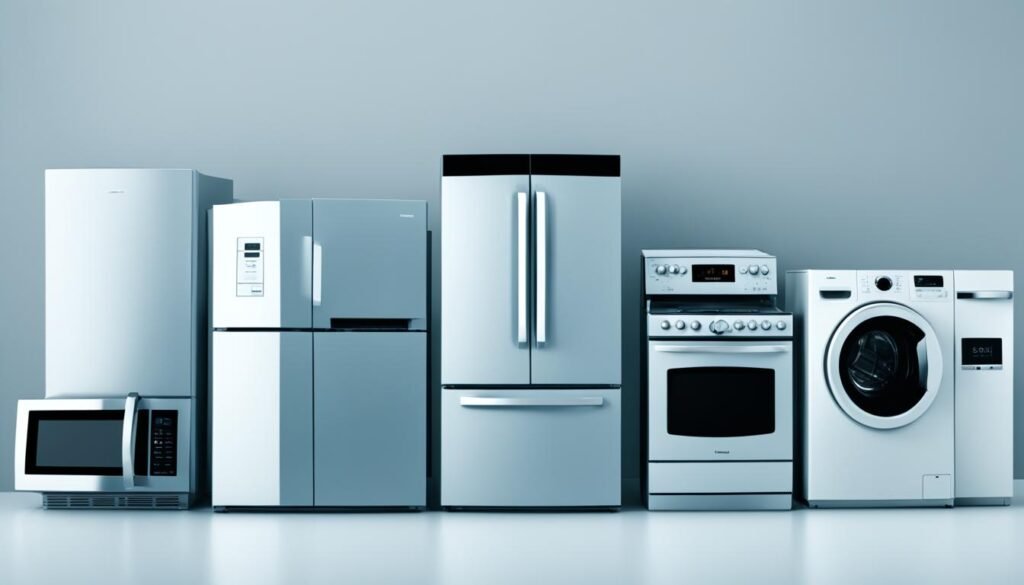
Appliance Classes

Class I Appliances

Class I appliances are very important when we talk about appliance classes. They are mostly metal and have three cables. These include a metal Earth pin and a fuse in the plug. These appliances stand out because they have two layers of protection: basic insulation and an Earth connection.

Definition and Characteristics

In a Class I appliance, the Live, Neutral, and Earth wires do a special job. If there’s a problem with the circuit, they guide the current safely to the ground. This prevents the user from getting an electric shock. Such a design makes these appliances safer than those without this Earth connection.

Examples of Class I Appliances

Refrigerators, microwaves, kettles, irons, and toasters are all Class I appliances. They are key for our daily life and use Class I safety to run safely and well.

Appliance ClassSafety FeaturesExamples
Class I
  • Metal construction
  • 3-cable design (Live, Neutral, Earth)
  • Metal Earth pin and fuse in plug
  • Basic insulation and Earth connection
  • Refrigerators
  • Microwaves
  • Kettles
  • Irons
  • Toasters

It’s key to know about Class I appliances to correctly Identify Appliance Classes. This knowledge is important for electrical safety at home and work. In the next parts, we’ll look at other types of appliances in detail.
Class I Appliance

“Proper identification and classification of appliances are critical for maintaining electrical safety and adhering to relevant regulations.”

Class II Appliances

Knowing the difference between Class I and Class II devices is key. Class II appliances have an added layer of safety. This is to protect users from getting shocked, known as “double insulated.”

Class I appliances must be grounded. But, Class II devices work without a connection to the earth. They have two insulating layers. The first is usually a plastic connector. The outside is a plastic case that covers the whole device.

Hair dryers, DVD players, televisions, computers, and copy machines are Class II devices. They are used where having an earth connection is hard. This makes them safer for many uses.

It’s vital to know Class II appliances for electrical safety. Knowing their special needs helps avoid accidents. Always take the right steps when using or fixing these appliances.

Appliance ClassInsulation RequirementsEarth Connection NeededExamples
Class IBasic insulationYesFreezers, Irons, Photocopiers, Microwaves
Class IIDouble or reinforced insulationNoHair Dryers, DVD Players, Televisions, Computers, Photocopiers
Class IIISupplied by a safety extra-low voltage (SELV) power sourceNoLaptops, Phone Chargers, Cameras

Understanding what makes Class II appliances unique is crucial. It leads to safer electrical setups. This is good for people and the planet. Always focus on electrical safety with any device.

Identifying Appliance Classes

It’s important to know an electrical appliance’s class for safe use and testing. Usually, you can find the class symbol on the appliance. But, sometimes it’s not clear. Then, you need to carefully check and test the appliance to know its class.

Symbols and Markings

Class I devices have a square with a “I” inside to show they need an earth connection. They are made with a metal case. Class II devices use a symbol of a square inside another square. They are double-insulated and don’t need an earth connection.

If an appliance lacks a clear symbol, consider it a Class I by default. Knowing the appliance’s class is key for correct testing (PAT).

Inspection and Testing Procedures

  • Class I appliances are checked for their earth connection and how well they insulate.
  • Class II appliances focus on their insulation. They should keep all electricity inside.
  • IT equipment, like computers and routers, have their cords checked in PAT tests.
  • Kitchen appliances, such as microwaves, undergo tests to prevent electrical risks.

The frequency and depth of PAT tests change with the appliance and its setting. Knowing how to classify and test appliances promotes workplace safety. This cuts down on accidents and keeps in line with electrical safety laws.

“Accurate identification of appliance classes is essential for conducting the appropriate portable appliance testing (PAT) procedures and ensuring electrical safety in the workplace.”

Importance of Proper Appliance Classification

It’s key to identify electrical appliances correctly for user safety. This helps prevent dangerous electric shock hazards. The right classification ensures safety steps, like enough insulation and earth connections, are taken. These steps come from the IEC 61140 standard.

Following proper appliance classification also means meeting safety laws. This helps manufacturers and users follow safety guidelines. It avoids possible legal and money troubles.

Electrical Safety Considerations

The safety levels of Class I, Class II, and Class III appliances are important to note. Each class has specific protection and safety needs. Class I items need basic insulation and grounding. This group includes things like fridges, kettles, and toasters.

Then we have Class II items, like hair dryers and computers. They have extra insulation, so they don’t need grounding. Finally, Class III, which are items like laptops and cell phones. These don’t need grounding thanks to an isolation transformer. It stops electric shock by cutting off the current during a fault.

Regulatory Compliance

Proper appliance classification is not just about safety; it’s the law. Manufacturers and users must meet the safety standards from groups like the IEC. Not doing so can lead to big fines, recalls, and legal issues.

By getting appliance classification right, businesses and individuals show they care about preventing electrical dangers. Plus, they stay on the right side of the law. This approach supports a safe electrical environment for all.

“Accurate identification and classification of electrical appliances is essential for maintaining the highest standards of safety and compliance.”

To wrap up, getting appliances categorized correctly is vital for safety and obeying the law. This helps cut the risk of electric shocks, protect people, and dodge legal problems. Knowing how to classify appliances makes the electrical world safer and better for everyone.

Portable Appliance Testing (PAT)

Portable Appliance Testing (PAT) checks if electrical devices are safe. It looks at each device’s safety based on its class. This helps keep all gadgets safe. Businesses and people need to know the PAT rules for each kind of device.

PAT Requirements for Different Appliance Classes

Class I gadgets get Earth Continuity and Insulation Resistance tests. This makes sure the basic insulation and earth connection are good. Class II gadgets only take the Insulation Resistance test. They don’t need an earth connection to be safe.

Class III devices work at or under 50V. Most of these don’t need PAT tests. They are seen as already very safe. This includes certain medical tools and low-voltage lights. They don’t have the same risks as higher voltage items.

Appliance ClassPAT Tests Required
Class IEarth Continuity, Insulation Resistance
Class IIInsulation Resistance
Class IIINo PAT test required

It’s key for businesses and homeowners to check and care for their gadgets. Ignored electrical problems can cause shocks or fires. That’s why it’s critical to know about Identifying Appliance Classes and do the right PAT tests.

With portable testers, you can do many tests on electrical stuff. This includes Earth Bond/Continuity, Insulation, and Touch Current tests. It also does others like Leakage and Load tests. Checking your devices this way helps them last longer. It also keeps your work or home safe for everyone.

Class III Appliances

In the appliance world, Class III devices stand out for their top electrical safety. They use a special isolating transformer. This keeps the power and the appliance separate.

Definition and Characteristics

A Class III appliance’s isolating transformer has two coil windings. These windings, called the Primary Winding and Secondary Winding, never touch. Because of this, they don’t need an earth connection for safety. If there’s a circuit problem, the power is quickly shut off, stopping electric shocks.

These appliances work at under 50 volts, often at 24 or 12 volts. They are called extra-low voltage devices. They need a separate power supply, like a transformer. This makes them much safer because the lower voltage means no risk of harmful electric shocks.

Examples of Class III Appliances

  • Laptops
  • Mobile phones
  • Low-energy light bulbs
  • Some types of medical equipment

Class III devices have clear labels that show they’re Earth-free. Their safety depends a lot on the isolating transformer, which acts like double insulation. This gives extra protection.

Even though Class III appliances are very safe, they can still be dangerous. Things like overheating and fires are still risks. So, medical devices need more than Class III safety regulations to be safe.

Appliance ClassCharacteristicsExamples
Class III
  • Use of isolating transformer with separate Primary and Secondary windings
  • Voltage below 50V, typically 24V or 12V
  • No need for earth connection
  • Rely on external power supply, usually a transformer
  • Offer the highest level of electrical safety
  • Laptops
  • Mobile phones
  • Low-energy light bulbs
  • Some medical equipment

To keep user safety first with Class III appliances, experts in Identifying Appliance Classes should understand these devices well. Knowing their unique safety features helps with making safe choices.

Conclusion

It’s very important to know which class an appliance belongs to. This helps keep electrical systems safe and follow the rules. Understanding Class I, II, and III items means users and makers can prevent shocks. This is done by right testing like Portable Appliance Testing (PAT). This cuts down the chance of electric accidents, making things safer for everyone.

With new tech like Deep Learning, we can spot appliances better. Things like Convolutional Neural Networks help improve how we identify appliances. Using more data can make these tools even better, checking the appliance’s safety more accurately.

Figuring out what class each appliance is makes our world safer and saves energy. Places like //plumbersinhemetca.com/ and Dream Home Digest talk about this. Better technology and lots of work can lower the risk of electric problems. This leads to a safer world where buildings are eco-friendly.

FAQ

What are the different classes of electrical appliances?

Electrical appliances fall into different groups for safety reasons. The IEC, or International Electrotechnical Commission, sets these. There are three main classes: Class I, Class II, and Class III. Each class has its specific safety design and test rules.

What are the characteristics of Class I appliances?

Class I appliances often have a metal body. They need three cables, with one being a metal Earth pin. There’s a fuse in the plug too. These devices use both basic insulation and an earth connection. If a problem occurs, the current flows safely into the ground.

How are Class II appliances different from Class I?

Class II appliances are sometimes called “double insulated.” They provide two layers of insulation. This setup means they don’t depend on an earth connection for safety. The plastic around these devices is the primary insulator, with the plastic casing being the secondary layer.

How can I identify the class of an electrical appliance?

Look for a specific symbol on the appliance to figure out its class. Class I devices carry a symbol showing a square with a dot inside it. Class II devices have a symbol with a square inside another square. If you don’t see one of these symbols, consider the appliance as Class I for safety reasons.

What is Portable Appliance Testing (PAT), and how does it relate to appliance classes?

PAT, or Portable Appliance Testing, checks electrical item safety. The tests it involves vary based on the appliance’s class. For instance, Class I gadgets receive Earth Continuity and Insulation Resistance tests. Class II items, however, only get the Insulation Resistance test.

What are the characteristics of Class III appliances?

Class III appliances are unique in their design. They use an isolating transformer with two winding coils. This setup removes the need for an earth connection. It stops electric current if there’s a fault, which keeps users safe. Laptops, phones, and some types of light bulbs are examples of Class III devices.

Source Links

What Are Class 3 Appliances and Why They Matter

Class 3 Appliances

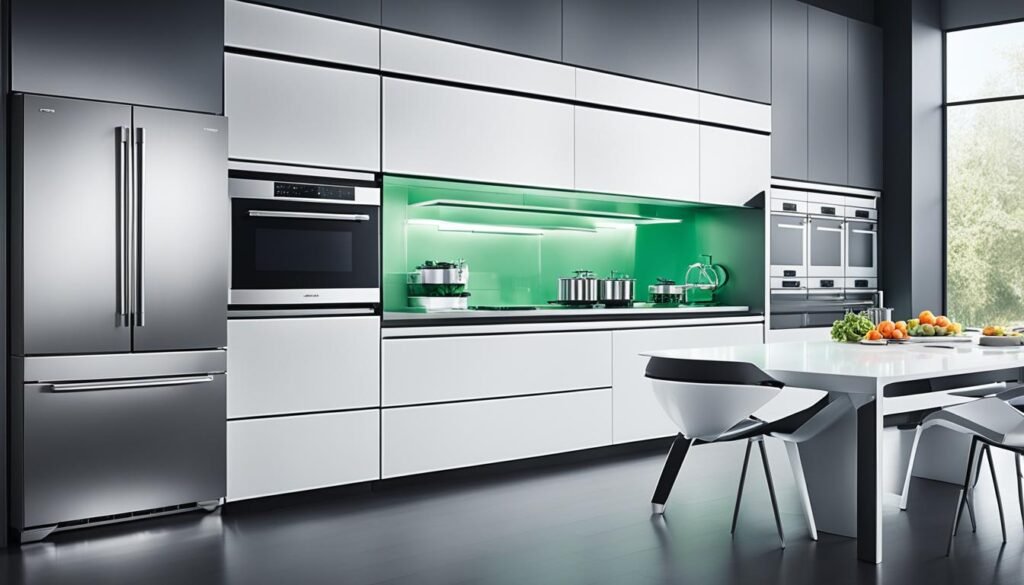
Class 3 appliances are key cooling devices we use every day. This group includes such items as fridges, freezers, A/C units, and more. They are made to keep certain temperatures and moisture levels just right.

Because of this, they keep our food fresh, our rooms cool, and our businesses running smoothly. Knowing how important Class 3 appliances are helps us appreciate their role in our lives and work.

Key Takeaways

  • Class 3 appliances are essential cooling devices that include refrigerators, freezers, air conditioners, dehumidifiers, and more.
  • These appliances play a crucial role in maintaining proper temperature and humidity levels, preserving perishable items, and ensuring comfortable indoor environments.
  • Class 3 appliances contribute to the overall efficiency, safety, and convenience of our homes and businesses.
  • Understanding the importance of Class 3 appliances is crucial as they are widely used in both residential and commercial settings.
  • Proper maintenance and care of Class 3 appliances are essential to ensure their optimal performance and longevity.

Understanding Class 3 Appliances

Definition and Purpose

Class 3 appliances are designed to control both temperature and humidity accurately. They are key for keeping items safe, making indoor spaces comfortable, and helping businesses run smoothly. Their main job is to store, cool, or condition items and spaces well. This keeps things safe, high-quality, and productive.

This appliance category includes a variety of tools. For example, refrigerators, freezers, air conditioners, dehumidifiers, ice makers, water coolers, and commercial kitchen equipment. They are a must in fields like food service, healthcare, and making things. These places rely on controlled environments to keep products good, workers happy, and processes smooth.

Appliance TypeApplicationKey Characteristics
Refrigerators and FreezersFood storage, preservation, and transportationPrecise temperature control, energy efficiency, and reliable performance
Air ConditionersClimate control and indoor environmental managementAccurate temperature and humidity regulation, energy-efficient operation
DehumidifiersMoisture control and indoor air quality improvementEffective humidity removal, energy-efficient design, and quiet operation
Ice MakersIce production for beverages, food preparation, and storageConsistent ice quality, rapid production, and reliable performance
Water CoolersChilled water dispensing for hydration and refreshmentPrecise temperature control, energy-efficient cooling, and hygienic design
Vending MachinesAutomated food, beverage, and snack distributionTemperature-controlled storage, secure inventory management, and user-friendly interface
Commercial Kitchen EquipmentFood preparation, storage, and serving in commercial settingsPrecise temperature regulation, energy efficiency, and compliance with industry standards

Class 3 appliances keep environments just right for the job. They ensure the safety, quality, and peak performance of many products and processes. These tools are vital for today’s Dream Home Digest and more.

Class 3 Appliances

How Class 3 Appliances Work

Class 3 appliances are used in many devices like fridges, air conditioners, and more. They use high-tech methods to control both the temperature and the moisture in the air. These appliances have systems that keep everything at just the right level needed for what they’re used for.

The most important part of these appliances is the refrigeration system. It takes heat away and controls how the air moves inside. This system uses a compressor, condenser, evaporator, and a valve to work as a team. They move the heat out of the appliance, keeping it cool inside.

The high-tech controls in Class 3 appliances are key. They watch the temperature, moisture, and air movement. Using sensors and computers, they make quick changes to keep everything just how it needs to be.

Class 3 appliances also have special materials that keep the right temperatures and moisture levels. This helps cut down on how much energy they use. It’s a big part of why these appliances work so well and save energy.

Thanks to all this tech and careful design, Class 3 appliances are very important. They’re found in many places like kitchens, hospitals, labs, and more. They are vital for keeping the right climate in these areas.

Class 3 Appliances

“The advanced technology and engineering behind Class 3 appliances allow them to maintain the precise environmental conditions required for specialized applications, ensuring optimal performance and energy efficiency.”

Class 3 Appliances

Class 3 appliances are key devices for many settings. They are found in homes, offices, and factories. This group includes:

  • Refrigerators and freezers to store perishable food at the right temperature.
  • Air conditioners that cool and remove humidity from indoor air.
  • Dehumidifiers keep humidity in check to stop mold.
  • Ice makers ensure there’s always ice for drinks and food.
  • Water coolers provide clean, cool water for various locations.
  • Vending machines dispense snacks, drinks, and more conveniently.
  • Commercial kitchen equipment that controls temperature and humidity in food prep areas.

These appliances like refrigerators, air conditioners, and water coolers are vital. They help keep things safe and efficient in many places. The Dream Home Digest knows how important they are for keeping life smooth.

Appliance TypePurposeKey Features
Refrigerators and FreezersKeep foods fresh at the right temperaturesCan control temperature well, save energy, and work reliably
Air ConditionersCool and reduce humidity for comfortThey are good at cooling, managing moisture, and easy to use
DehumidifiersControl moisture to avoid mold and mildewThey take out a lot of moisture, save energy, and you can set them as you like
Ice MakersMake ice for various needsCan make a lot of ice, do it quickly, and are simple to keep up
Water CoolersOffer clean, cool drinking waterChill water well, serve it easily, and keep it hygienic
Vending MachinesProvide a way to keep drinks and snacksStore products well, control temperature right, and are easy to use
Commercial Kitchen EquipmentKeep food prep areas at the right temperature and humidityCan control temperature and moisture precisely, manage humidity well, and are long-lasting

These Class 3 appliances are critical for many spaces. They help with food safety, making places comfortable, and running businesses smoothly. The Dream Home Digest values their role in our daily lives.

Indications for Use

Class 3 appliances are top-notch in reliability and performance. They’re perfect for tasks needing exact temperature and humidity control. They fit well, from homes to businesses and even big industries, keeping conditions spot on.

Residential Settings

In homes, Class 3 appliances like fridges, freezers, and air conditioners are key. They keep food fresh, the air cool, and moisture in check. This not only makes life more comfy but also helps save energy.

Commercial Establishments

Places like restaurants and hotels need Class 3 gear for their daily grind. Think commercial fridges, ice makers, and water coolers. They ensure food stays fresh, drinks cold, and places clean and safe.

Industrial and Manufacturing Facilities

Various industries count on Class 3 units for specific tasks. This includes keeping raw materials right, making drugs, or running special machinery. Thanks to these high-performance fridges and dehumidifiers, conditions are just right.

Public Spaces

Schools and offices often have water coolers and snacks machines. These gadgets offer drinks and munchies, adding to everyone’s comfort and contentment.

Understanding where Class 3 appliances fit shows their crucial role in our world. They keep various places safe, efficient, and working well. Their top-quality and control features make them a must-have.

“Class 3 appliances are the unsung heroes of our modern world, quietly ensuring the optimal conditions that enable our homes, businesses, and industries to thrive.” – Dream Home Digest

Benefits of Class 3 Appliances

Class 3 appliances help in many ways. They include refrigerators, freezers, and air conditioners. These tools are critical for keeping our food fresh and our rooms cool. Their importance can’t be overstated.

Preserving Perishable Items

Refrigerators and freezers keep our food from spoiling. They also protect medicines and other perishables. This means less waste and safer items for us to use. They are key in homes and businesses.

Comfort and Climate Control

Air conditioners and dehumidifiers make our spaces pleasant. They manage our room’s temperature and moisture. This ensures we’re comfortable and helps important machines work well.

Reliable and Efficient Operations

Commercial kitchen tools and vending machines work smoothly and save energy. They keep businesses running well. This means saving money and better productivity.

Accessibility and Convenience

Water coolers and ice makers offer refreshing drinks. They’re found in many places, like offices and hospitals. They improve our access to water and add convenience, wherever they are.

Improved Safety and Hygiene

Class 3 tools ensure safe temperatures in medical and food areas. They fight off bacteria, keeping places clean and safe. This helps protect everyone who uses these spaces.

In short, Class 3 appliances are a big part of daily living. They keep our food fresh, make our spaces comfy, and support important work. Understanding these benefits helps us all live better lives.

Conclusion

In conclusion, Class 3 appliances are key parts of our daily routines. They help keep food fresh, make our indoor spaces comfy, and work well in many commercial settings. These tools, like fridges, air conditioners, and ice makers, keep precise conditions. This keeps things safe, of high quality, and easy for us.

Class 3 appliances are important and do a lot for us. They help in our homes and at work. They keep food and drinks cool and make our rooms pleasant. If you own a café or a big kitchen, these machines are vital for success.

Better and more energy-efficient Class 3 devices are on the way. They’ll make our lives better and help the planet. To benefit, keep up with these new trends. This way, you can get the best devices for your place. They’ll meet your needs and improve how you live and work.

FAQ

What are Class 3 appliances?

Class 3 appliances are necessary for cooling and include refrigerators and freezers. Also, they have air conditioners, dehumidifiers, and more. They keep stable temperatures and humidity levels for homes, businesses, and large facilities.

What is the purpose of Class 3 appliances?

Class 3 appliances help store and cool items and make indoor spaces comfortable. They play a huge role in daily life, from keeping food fresh to making work spaces cool. They ensure safety and efficiency in many areas.

How do Class 3 appliances work?

These appliances are built using the latest technology for accurate control of temperature and humidity. They use systems with compressors, precise controls, and special isolation. This setup helps them effectively cool, preserve, and operate.

What types of Class 3 appliances are there?

Class 3 appliances cover many important tools. This includes fridges, freezers, air coolers, and ice makers. They also have water coolers, vending machines, and big kitchen devices.

Where are Class 3 appliances used?

They are found in homes, restaurants, hotels, hospitals, and factories. Schools, offices, and other public places use them too. They are very versatile and vital in many settings.

What are the benefits of using Class 3 appliances?

These appliances keep perishable items fresh and improve indoor comfort. They make daily tasks more accessible and enhance safety and cleanliness. Their benefits are broad and significant for many users.

Source Links

The Simplest Plumbing Tasks for DIY Enthusiasts

Simplest DIY Plumbing Tasks

Imagine how much you could save by fixing plumbing issues at home. You might save up to 50% by avoiding a professional plumber. Many people, about 60%, choose to fix small problems themselves before calling for help. This choice saves money and helps the environment too. Let’s dive into the world of DIY plumbing and learn to fix things like leaky faucets and clogged drains. By doing so, we’ll save water and protect the planet.

Key Takeaways

  • DIY plumbing can save homeowners 30-50% compared to hiring professionals
  • Approximately 10% of households have leaky faucets that can be repaired at home
  • Fixing a leaky faucet can save up to 1,000 gallons of water per year, resulting in $20-$200 in annual savings
  • Eco-friendly approaches like using a plunger can reduce harmful chemical waste by 50%
  • Upgrading to a new showerhead can save up to 2,700 gallons of water per year

Understanding Your Home’s Plumbing System

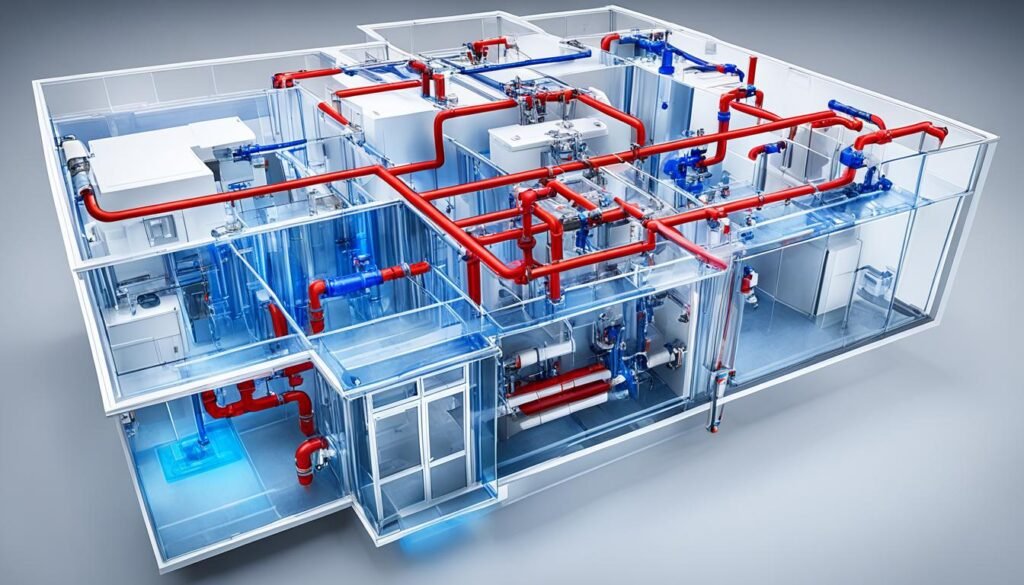
Before you start on any plumbing work, grasp the basics of your home’s plumbing. This system includes pipes, fixtures, and appliances. They bring fresh water in and carry waste out. With a little knowledge, you can tackle DIY projects with more confidence.

Your Home’s Piping Network

Your home’s plumbing starts with the pipe network. It’s made of pipes and valves that move water in and out of your home. The water supply system brings in fresh water, while the sewer system takes out waste. Knowing this helps you find and fix issues easily.

The Water Supply System

Your water supply system brings clean water to your faucets, showers, and toilets. It works with steady water pressure for a constant flow of water. Keeping an eye on this system is important. Regular checks for leaks and the right water pressure are key. This care helps avoid expensive water damage.

The Sewer System

The sewer system removes used water and waste. It includes pipes and sewage lines. These pipes lead to the municipal sewer or a septic system. Learning about the sewer system can save you from major issues like blocked drains. Prompt action on clogs and backups spares you from big plumbing headaches.

Learning about your plumbing system makes DIY tasks easier. Knowing when to call for help is also vital. Keeping your plumbing well-maintained stops water damage. It also keeps your home’s water system working smoothly.

Home Plumbing System

“Plumbing leaks waste 1 trillion gallons of water annually in the US, equivalent to 40 million swimming pools.”

Plumbing System ComponentKey FunctionsMaintenance Tips
Water Supply System
  • Delivers fresh, clean water to taps and fixtures
  • Operates under steady water pressure
  1. Check for leaks regularly
  2. Ensure proper water pressure (50-65 psi)
  3. Clean aerators and showerheads
Sewer System
  • Removes wastewater and waste from the home
  • Connects to municipal sewer or septic system
  1. Unclog drains promptly
  2. Identify and address sewer line problems
  3. Know the location of the main shut-off valve

Simplest DIY Plumbing Tasks

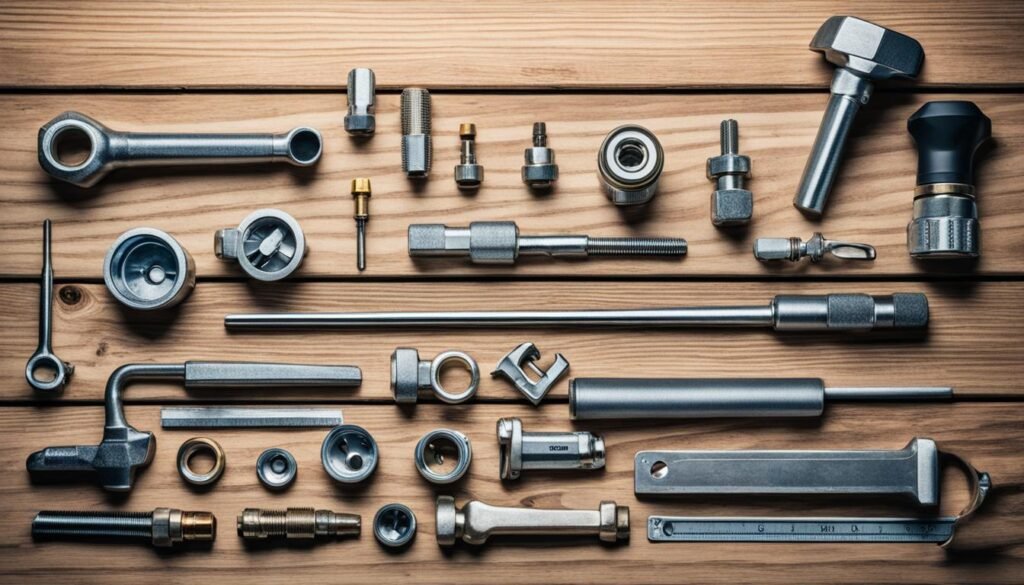
Leaky faucets, faulty toilet flappers, and clogged sinks are issues you can fix yourself. You just need a few tools and some know-how. By doing it yourself, you save both money and time. Plus, you get to improve your home’s plumbing by Fixing Leaky Faucets or Upgrading Showerheads.

Once you’re confident with these simple tasks, you can take on more. This will grow your plumbing skills. Let’s look at some easy DIY plumbing tasks to keep everything working well at home.

Replacing Toilet Flappers and Repairing Running Toilets

A running toilet is a common issue, usually from a bad toilet flapper. The fix is easy with a Toilet Flapper Replacement. This not only saves water but also money on bills. You might also just need to adjust the fill valve or change the flapper.

Unclogging Sink Drains and Fixing Leaky Faucets

Unclogging Sink Drains might seem tough, but you can often do it yourself. A plunger or drain snake works well. Fixing Leaky Faucets is also an easy DIY job. Just replace the washers or O-rings to stop the leaks.

Upgrading Showerheads and Replacing Kitchen Sink Sprayers

Improving water efficiency in your home is easy with a Upgrading Showerheads. A new, efficient showerhead reduces water use and your bills. Replacing Kitchen Sink Sprayers is quick and boosts your kitchen sink’s use.

Remember, these DIY plumbing fixes are not hard if you’re patient and have the right tools. Learning these skills saves you money, gives you a sense of achievement, and keeps your home’s plumbing in top shape.

Plumbing Tools

“With the right tools and a bit of know-how, homeowners can tackle many common plumbing issues themselves, saving time and money in the process.”

DIY Plumbing TaskEstimated Cost to DIYEstimated Cost for Professional
Fixing Leaky Faucets$5 – $20$50 – $150
Toilet Flapper Replacement$5 – $15$75 – $200
Unclogging Sink Drains$0 – $10$75 – $200
Upgrading Showerheads$20 – $50$75 – $150
Replacing Kitchen Sink Sprayers$20 – $50$75 – $150
Repairing Running Toilets$5 – $20$75 – $200

Conclusion

You’ve learned a lot in this guide about DIY Plumbing tasks you can do at home. Knowing your home’s plumbing and having the right tools helps you save money. It also gives you a great feeling of success and keeps your home’s plumbing healthy. Always think of Plumbing Safety and be careful when fixing pipes.

If a Plumbing Emergency happens or the problem seems too big, get help. A professional Plumber has the knowledge to fix things right. Now, armed with the advice in this article, you can handle many Plumbing Maintenance jobs yourself.

Taking on DIY plumbing tasks not only saves you money. It also helps keep your home’s plumbing in good shape. Remember, regular checks and quick fixes can stop big problems later. So, keep up the good work. Enjoy doing it yourself and take pride in keeping your home running smoothly!

FAQ

What are the main components of a home’s plumbing system?

A home’s plumbing has three key parts: pipes for water and waste, a fresh water system for taps, and a sewer system to take away used water. They all work together to keep homes running smoothly.

Can I fix a leaky faucet on my own?

Yes, you can. Fixing a leaky faucet is doable for many people. You’ll need some tools and a guide. Sometimes, just changing a washer can fix it.

How do I unclog a sink drain?

Unclogging a sink is pretty simple. You can use a plunger or a drain snake. Taking apart the pipe under the sink can help if the clog is stubborn.

Can I install a new showerhead myself?

Installing a new showerhead is easy to do. You just unscrew the old one and put the new one on. Make sure it’s tight so it doesn’t leak.

How do I fix a running toilet?

To fix a running toilet, you might adjust the flapper or the water level in the tank. A few tools and some checking are usually enough to get it working right again.

When should I consider hiring a professional plumber?

If a plumbing job seems too big or you’re not sure, it’s time to call a plumber. They have the skills and the gear to fix things the right way. This keeps your home safe and working well.

Source Links

The Two Core Components of a Plumbing System Explained

Core Components of Plumbing System

Did you know that plumbing leaks waste about 1 trillion gallons of water every year in the US? This is the same as 40 million swimming pools. It’s important to know about your home’s plumbing. This can stop costly water damage and keep water flowing well.

Your house has a network of pipes to carry water in, around, and out of your house. The first type of pipes are the water supply pipes. They are where fresh drinking water comes into your house. After that, there’s a system of pipes that takes the water to sinks and showers. These are the distribution system. It uses smaller pipes to connect major lines to your fixtures. Then, drainpipes are used to take away dirty water from your sinks and showers. This is how the core plumbing system in a house works.

Key Takeaways

  • Plumbing systems have two main parts: water supply pipes and the drain-waste-vent (DWV) system.
  • Water supply pipes bring fresh drinking water into the home. The distribution system sends it to sinks and showers.
  • Drainpipes carry away dirty water. They work with the DWV system to make sure water drains properly.
  • Plumbing leaks can use a lot of water, so it’s key to know and keep up your plumbing system.
  • Regular checks and fixes for your plumbing are important. They help avoid big water damage and keep things running well.

Understanding the Water Supply System

The water supply system is crucial for every home, providing clean, pressurized water. It revolves around the water service lines. These are underground pipes linking your home to the main water source.

Water Service Lines and Main Shutoff Valve

Copper, cast iron, galvanized steel, and PVC are used for water service lines. Indoor plumbing often uses copper. Schedule sizes (40, 80, 120) show the pipe diameter. For cheaper outdoor options, consider PVC.

The main shutoff valve lets you turn off all water in your home. It’s key for emergencies like leaks. Knowing and keeping it maintained can prevent water damage.

Good water pressure is vital for your plumbing. Issues like leaks and mineral buildup can reduce pressure. Regular checks and fixes keep your water system running well.

Plumbing MaterialKey Features
Copper TubingCorrosion-resistant, durable, and able to withstand high pressure and temperature extremes.
PVC PipesAffordable, easy to install, resistant to blockages, and flexible enough to tolerate high water pressure.
Galvanized Steel PipesProne to rust development, which can contaminate water, making them unsuitable for human consumption.
PEX PipesDurable plastic construction, rigid yet flexible, and can be easily navigated through walls, ceilings, and basements without the need for soldering.

Having a well-maintained water supply system is key for your home’s safety. Understand the basic parts and upkeep practices to enjoy clean, reliable water. If you need help with your system, visit plumbersinhemetca.com or look at Dream Home Digest for more advice.

Water Supply System

Core Components of Plumbing System

Your home’s plumbing system has many important parts. These work together to bring clean water in and take waste out. Knowing about these pieces helps you keep your plumbing in good shape and fix problems when needed.

The drain, waste, and vent (DWV) system is vital. It includes drain pipes, drain traps, and drain vents. Drain pipes use gravity to move dirty water from places like sinks and toilets into the sewer. Drain traps stop bad smells from coming up by trapping water. Drain vents let air into the plumbing to keep water flowing smoothly and prevent odd noises.

Plumbing fixtures include sinks, toilets, and bathtubs. They join the water and waste systems, letting water in and waste out. These units are made of different materials, like porcelain and stainless steel, to match your style and budget.

The water heater is also key. It provides hot water for showering and doing dishes. There are tank-style and tankless water heaters, each serving a important at different household tasks.

You can also add water treatment systems to your plumbing. These systems clean the water by removing harmful substances. They range from whole-house filters to specific treatments for water issues like hard water or lead.

Knowing about your plumbing system lets you understand how important it is for a comfy home. Keeping it well-maintained is crucial. This ensures it works well and lasts long.

Plumbing System Components

For more plumbing tips, visit Plumbers in Hemet, CA, or see Dream Home Digest for expert advice.

Exploring the Drain-Waste-Vent (DWV) System

The DWV system is key to your home’s plumbing. It includes drain pipes, traps, and vents. It works by moving wastewater out and keeping air balance right.

Drain pipes are core to the DWV. They let gravity take used water from your home to the sewer. It’s important these pipes are the right size and installed well. They can get blocked by things like hair and grease.

To stop bad smells from sewers, there are drain traps. These traps have water in them to block gases. It’s vital to keep these traps clean for a healthy home.

Drain vents are the last part. They add air to the system, helping water move without issues. If these vents aren’t working right, you might notice slow drains or smell bad odors.

The DWV system does a lot for your house. Keeping it well-maintained is critical. Clean out traps and fix clogs early. Always call a pro if you need help to make sure your plumbing stays safe and efficient.

ComponentFunctionCommon Issues
Drain PipesCarry wastewater from fixtures to sewer line using gravityClogging due to hair, grease, and debris buildup
Drain Traps (P-traps)Hold water to prevent sewer gases from entering the homeDried or cracked traps, blockages
Drain VentsRelease air into the system to ensure smooth drainageBlockages, cracks or leaks, improper installation

“Proper maintenance of the DWV system is crucial for the overall health and efficiency of your home’s plumbing infrastructure. Ignoring issues with drain pipes, traps, or vents can lead to serious problems down the line.”

– Excerpt fromDream Home Digest

Conclusion

It’s vital to know about a home’s plumbing system. This includes the water supply and the DWV systems. Keeping these in good shape makes your home work smoothly.

Regular checks, like looking for leaks and cleaning traps help. It also pays to insulate your pipes. This care can stop big repair bills later on.

When you spot low water pressure or slow drains, don’t wait. Get a professional plumber to help. Check out the plumbers suggested by Dream Home Digest. They know their stuff and can solve your problem quickly.

The history of plumbing shows how much it matters. From ancient sewer pipes to today’s safe materials, it’s key for our health. The term “plumber” even comes from an old Roman word.

Today’s plumbing uses better materials. This makes our systems strong and reliable. Making sure your plumbing is well-maintained is crucial for any homeowner or professional. It keeps everything running well and avoids big problems.

Working with skilled plumbers is a smart move. Find the best ones, like those you can locate on //plumbersinhemetca.com/. This ensures your home is both comfy and safe.

FAQ

What are the two core components of a plumbing system?

In a house, plumbing has two key parts. First, the water supply system. Second, the drain-waste-vent system known as DWV.

What are the main parts of the water supply system?

The water supply system has water service lines and main shutoff valves. It also has a network of copper or plastic tubes. These tubes connect sinks, showers, and other fixtures to the main water source.

How does the drain-waste-vent (DWV) system work?

The DWV system moves water away using pipes, traps, and vents. Gravity helps wastewater flow out. Traps stop smells from coming back in. Vents let air in for easier draining.

What are some common issues with the DWV system?

Largely, the DWV’s pain points are clogs and hidden leaks. Clogs form from hair, grease, and debris. Leaks hidden in walls or ceilings can cause mold, stains, and smells.

How can I maintain my home’s plumbing system?

To keep your plumbing in shape, check for leaks and clean traps. Insulating your pipes is also vital. If you spot issues, contact a local pro, like the ones at Dream Home Digest.

Source Links

How to Categorize Your Home Appliances Efficiently

Categorize Home Appliances

Organizing your appliances may sound hard, but it’s rewarding. It can make your home more efficient and beautiful. This guide will show you how to sort through kitchen, laundry, heating, and cooling gadgets. We’ll also talk about smart and green appliances. With a few tips, you can manage your appliances better. This will help your home to look cleaner, work better, and be more inviting.

Key Takeaways

  • Categorize your home appliances by frequency of use: frequently used, rarely used, and never used.
  • Pare down unnecessary appliances to maximize limited storage space.
  • Declutter cabinets and organize small parts to maintain a tidy kitchen.
  • Prioritize energy-efficient appliances to save on utility bills and reduce your carbon footprint.
  • Donate or sell unused appliances to declutter your home and support local charities.

Understanding the Importance of Categorizing Appliances

An organized kitchen is key to every home. When dealing with Categorize Home Appliances, Appliance Storage, and Appliance Decluttering, good Kitchen Organization is a must. It changes how you work every day. By sorting your appliances by how often you use them, you can keep your space tidy. This also helps you use your kitchen better.

Why Organization Matters for Home Appliances

The kitchen is a busy place in our homes now. It’s where we cook, host, and spend time with family. As we get more Categorize Home Appliances, kitchens fill up fast. But, if we keep our space organized, it turns into a spot that’s smooth to work in.

Sorting your appliances means the things you use the most are easy to get. And the ones you don’t use much can be put away. This makes your Appliance Storage and Appliance Decluttering much better. Plus, it makes your kitchen look more open and tidy.

Benefits of Efficient Categorization

Taking the time to organize your kitchen is worth it. It makes your daily tasks easier and your space look better. Here are some top benefits:

  • Setting appliances together helps you work better in the kitchen. This makes cooking and cleaning simpler.
  • An organized kitchen is a pretty kitchen. It makes your home a more welcoming place to be.
  • Keeping up with your appliances makes them last longer. It helps you pick out what to keep or get rid of easily.

Remember, the secret to a tidy kitchen is smart Categorize Home Appliances. Take the time to figure out what you actually use. Then, get creative with how you store everything. Doing this can turn your kitchen into the best spot in your home.

Categorize Home Appliances

Categorize Home Appliances by Use

Sorting your home appliances wisely is crucial. First, group them by how often you use them. This trick can help you use your kitchen better and have less mess.

Divide your appliances into categories like often used, not so often used, and never used. Keep things you use a lot, like your fridge, oven, and dishwasher, near you. Appliances you use sometimes, such as a bread maker, can go in a less visible spot. For those you never use, think about getting rid of them by giving away, selling, or recycling.

Next, look at Multipurpose Appliances that do many things. These kitchen tools can improve how you organize your space. They make your kitchen work smarter. For instance, a convection oven with air fryer capabilities saves you space and effort.

Focus on your needed and used appliances for an organized kitchen. This makes your kitchen look good and is practical. It’s easier to find what you need, which saves time every day.

Appliance CategoryExamplesFrequency of Use
Frequently UsedRefrigerator, Oven, DishwasherDaily or weekly
Rarely UsedBread Maker, Stand MixerMonthly or yearly
Never UsedFondue Set, JuicerNot used at all

Use this plan to organize your kitchen well. It cuts clutter and makes room for versatile tools. Enjoy a neat and efficient kitchen with this method.

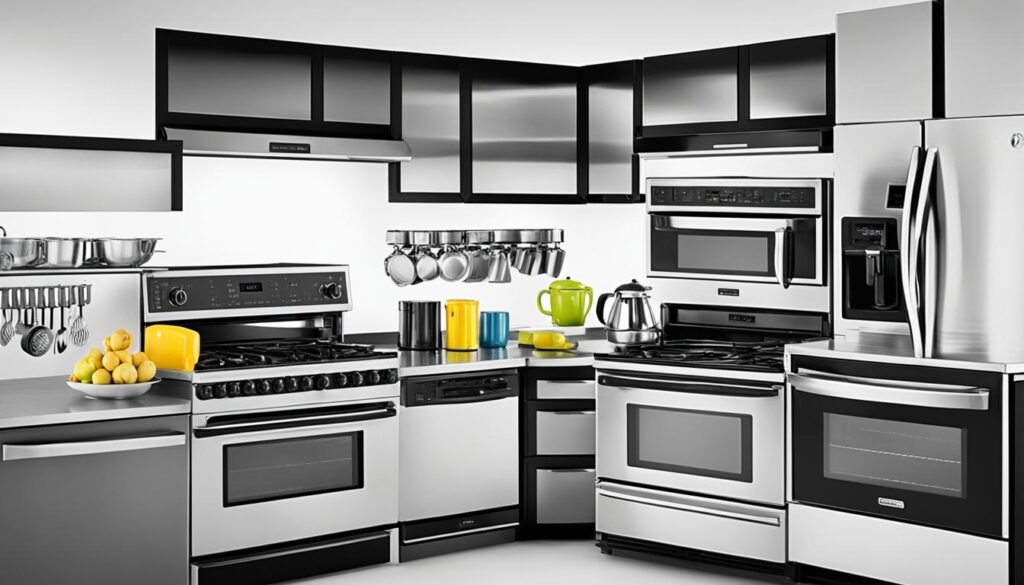
Kitchen appliances

Assessing Energy Efficiency

When buying home appliances, it’s key to think about energy efficiency. Knowing how much energy your appliances use helps cut your bills and lessen your impact on the environment. To find out if an appliance is energy efficient, look for the right labels and ratings.

Identifying Energy Efficiency Labels

ENERGY STAR and Consortium for Energy Efficiency (CEE) are known for their energy efficiency. ENERGY STAR is backed by the U.S. EPA and DOE. These appliances use 25-50% less energy than regular ones. This saves you money and cuts down Carbon Emissions.

The CEE system rates appliances from standard to advanced efficiency. The higher the tier, the greater the energy savings. So, aiming for the top tiers ensures you’re getting the best for your money.

Efficiency RatingDescription
ENERGY STARMeets minimum energy efficiency standards set by the EPA and DOE
CEE Tier 1Equivalent to standard ENERGY STAR
CEE Tier 2Higher efficiency than Tier 1
CEE Advanced TierMost efficient models available

Besides ENERGY STAR and CEE, the EnergyGuide label is helpful. It shows how much an appliance costs to run every year. This lets you compare and choose the best in terms of energy savings.

Focusing on these labels can guide you to the most efficient appliances. This helps lower your bills and protect the planet.

Decluttering and Donating Unused Appliances

The kitchen is often the messiest part of a home. It’s filled with appliances and gadgets for cooking, cleaning, and more. These items may not always be used, leading to clutter. By cleaning out, you make space for what’s really needed.

To start, go through each kitchen appliance. Decide which ones you use often, sometimes, or never. You can try the “box method.” Put something in a box for a month. Then, see if you needed it. This helps you realize what you can do without.

Found stuff you don’t really need? Consider donating, selling, or recycling them. Appliance Donation and Appliance Resale help your things find new homes. For broken appliances, recycle them to help the environment.

Cleaning your kitchen of unused items can make it feel brand-new. It’s a chance to only keep what you truly use. This way, every item has a clear job and your kitchen isn’t overcrowded.

“Decluttering my kitchen was a game-changer. I was amazed at how much space I gained just by removing the appliances I never used. Now I can actually find what I need when I’m cooking!”- Anne, Decluttering Enthusiast

The benefits of Appliance Decluttering go way beyond the kitchen. If you ever move, having fewer things makes it easier. You save money on moving costs and start fresh without old clutter.

It’s all about honesty. Be real about what you use. With some effort, your kitchen can be efficient and good-looking. You don’t need unused stuff wasting space.

Optimizing Storage and Organization

Keeping your kitchen tidy and efficient needs smart storage tactics. You can wrap cords around appliances or go digital with your manuals. These tips will help you use your space better and keep things neat.

A step-stool can make it easy to grab things from high shelves. You should also keep small parts and accessories in labeled bags. This way, you won’t waste time looking for what you need.

It’s wise to check and rearrange your kitchen storage often. Put your everyday appliances where they’re easy to reach. Move the ones you don’t use much to high spots. This will make your kitchen work better for you.

Innovative Storage Solutions

There are many ways to organize your kitchen. You could use hooks or pegboards for your tools. Or, add drawers in your cabinets for a better system. Don’t forget about creating an efficient sink area. It’s a good spot for your cleaning supplies, and it can help keep your home safe.

ProductPrice
Small Vertica Wire Stacking Bin$25
ROUFA 4Pcs Clear Acrylic Shelf Dividers$26
Smart Design Pull Out Cabinet Shelf$65
YouCopia StoreMore Adjustable Bakeware Rack$16
YouCopia StoraLid Container Lid Organizer$16
Lazy Susan Organizer$18
Heavy Duty Pan Organizer$30
Hold Everything Metal Powder Coat Soda Can Bin$25
Shelf Risers, Set of 2$72
Over-the-Cabinet Door Organizer Holder$17
Tower Expandable Cutlery Drawer Organizer$29
Fox Run Brands Magnetic Knife Holder$17
Duck Brand Clear Classic Shelf Liner, 2 Rolls$37
Phomemo D30 Label Maker Machine$24
Kingrack Aluminium 3 Step Ladder$66
Maple Hanging Bar Pot Rack$139
mDesign Plastic Free-Standing Wine Set Rack$41
Fridge Drawer Organizer 4 Pack Retractable Drawer$27
IDESIGN Wide Fridge Bins Tray Clear$16
Magnetic Paper Towel Holder$10
Yamazaki Magnetic Spice Rack$25

Don’t overlook tall cabinets or pull-out shelves. They’re great for extra storage. Drawer dividers and hooks can also help you use every inch of space. They make it easier to find and use your things.

By using these ideas, you’ll keep your kitchen in top shape. Your appliances will be handy, and you won’t have to deal with clutter.

Conclusion

By organizing your home appliances smartly, you can make your place more orderly and efficient. It’s important to group items by their main function. Make sure to check their energy use and get rid of what you don’t use.

Keep updating your setup. Wrangle those messy cords and find good storage solutions. This will cut down on clutter and make your home appliances work better for you.

Understanding why organization matters is key. It saves you money and helps the planet. Follow the advice in this article to turn your house into a well-kept, eco-friendly home.

Keep in mind, a tidy home is not only a pretty sight but also boosts your mood and saves energy. Put into action what you’ve read here. You’ll thank yourself for a smoother, stress-free home.

FAQ

Why is it important to categorize home appliances?

Categorizing home appliances helps use kitchen storage space wisely. This makes appliances, used a lot, easy to find. It also cuts down on the mess by not storing things you don’t need. With this system, homeowners know what to keep, give away, or sell.

What are the benefits of efficient appliance categorization?

Sorting appliances well leads to better kitchen function and less mess. Your living space stays organized and neat. This approach makes life easier for everyone at home.

How can I categorize home appliances by use?

First, recognize which appliances you use a lot, sometimes, or almost never. Then, group them this way. You can then store and access them based on how frequent they are in your daily life.

How can I identify energy-efficient home appliances?

When buying appliances, look for ENERGY STAR and CEE labels. ENERGY STAR shows the basic efficient appliances. CEE has different levels, from basic Tier 1 to Advanced, for the very best efficiency.

What are the benefits of choosing energy-efficient appliances?

Energy-efficient appliances help lower your home’s environmental impact and bills. Keeping appliances in good shape and using them smartly makes your home more efficient.

How can I declutter and donate unused home appliances?

Start by deciding which appliances you really need. Then, pass on the rest through donation, selling, or by taking them to recycling centers. This keeps your home tidy and helps others too.

What are some tips for optimizing appliance storage and organization?

Organize cords neatly, use a step-stool for high places, and keep manuals digitally. Place small parts in bags that you label. Reorganize your cabinets from time to time to keep everything in order and easy to find.

Source Links

Classification Systems for Home Appliances

Home Appliance Classification

In today’s world, the way we classify and group home appliances is very important. We have everything from fridges that save energy to thermostats that are smart. Knowing how to sort appliances helps a lot. This article looks at the different ways we classify home devices, like why we do it and what’s new in the field.

Technology is playing a bigger part in our homes every day. So, knowing how to sort and manage our devices is key. Whether it’s the kitchen or the laundry room, using systems that label smart devices right can make our lives easier and help us save money.

Key Takeaways

  • It’s very important to know the various home appliance classification systems for many people, including homeowners and energy providers.
  • Different groups based on what appliances do and how much energy they use can lead to better efficiency and savings.
  • Making sure smart home systems and labels work together well is crucial for knowing and controlling our devices.
  • Sorting fridges and air conditioners is vital because they often use a lot of home energy.
  • The Dream Home Digest is a great guide for understanding home appliance classification’s complex world.

Introduction to Home Appliance Classification

In today’s fast-changing world, sorting home appliances is crucial. It makes Home Appliance Classification understandable. Appliance Categorization, Household Equipment Taxonomy, and Domestic Device Identification are key topics. So are Home Electronics Grouping and other ways to group devices.

Importance of Categorizing Household Devices

Categorizing home appliances helps in many ways. It guides shoppers through the many available choices. This way, they can pick what suits their needs best.

It also helps companies manage their products better. They can stock items efficiently, offering specific solutions to consumers.

Overview of Common Classification Approaches

There are different ways to group home appliances. You can group them by how they are used, like for cooking or cleaning. You could also look at how much energy they use. Or, you can see how they link to smart home systems.

These methods offer a good look at the home appliance world. It makes it easier for both shoppers and those in the industry to understand and choose wisely.

Classification ApproachExamples
Purpose and FunctionKitchen Appliances (Refrigerators, Ovens, Dishwashers), Laundry Appliances (Washers, Dryers)
Energy ConsumptionLow, Medium, and High Energy Usage Categories
Smart Home IntegrationAppliance Identification for Automated Control

Home Appliance Classification

Learning about these approaches helps everyone involved. It helps navigate the appliance world. This leads to a better user experience and more innovation in the industry.

Classifying by Appliance Purpose and Function

When organizing home appliances, it helps to group them by what they do. This way, homeowners can understand what each device offers. We will look at key types of kitchen and laundry appliances.

Kitchen Appliances

The kitchen is central to every home, and its appliances are key. Kitchen Appliance Sorting includes refrigerators, ovens, and dishwashers. For example, refrigerators keep your food fresh. Ovens help bake, roast, and cook many dishes. Dishwashers ease cleaning, saving time in the kitchen.

Laundry Appliances

Laundry Appliance Typing groups washers and dryers. Washing machines clean clothes, while dryers dry them. Knowing Washer Identification and Dryer Typing helps pick the right ones for your needs.

Organizing by purpose makes buying appliances easier. It covers Refrigerator Classification, Oven Categorization, Dishwasher Grouping, and more. This knowledge is key to a well-equipped home.

Kitchen Appliance Sorting

Home Appliance Classification

Exploring the endless options in home appliances can seem overwhelming. However, using a well-organized Household Equipment Taxonomy is key. It helps us efficiently identify and group Domestic Device Identification and Home Electronics Grouping. We’ll dive into different ways to sort household devices. We’ll see why having them organized is vital for managing our home technologies.

Home appliances often get sorted by what they do. This puts things like kitchen appliances (like refrigerators and ovens), laundry appliances (washers and dryers), and comfort appliances (such as air conditioners) into separate groups. This makes it easier for folks to find what they need for their homes.

Some like to classify appliances by how much energy they use. There are three main groups: low-energy, medium-energy, and high-energy. Breaking it down this way helps people choose items that are good for the planet and their wallet. It’s especially helpful for those interested in smart homes. Here, picking energy-efficient appliances is a key decision.

There’s also sorting by the kind of technology an appliance has. White goods for essential tasks, brown line for fun (like TVs), and gray line for work (including computers). Small appliances (such as blenders) show how tech is blending with items we use every day. This meets our changing needs.

Using a clear Household Equipment Taxonomy can make choosing home appliances much simpler. It aids in smart shopping and organizing our homes better. When we get the classifying methods, we can pick and organize our tech in a way that fits our lives perfectly.

“The key to effective home appliance management lies in a comprehensive understanding of the various classification systems and their underlying principles.”

Grouping Appliances by Energy Consumption

Understanding how much energy appliances use is key. We put them in categories like low, medium, or high energy users. This helps people pick the most energy-efficient options. Choosing wisely not only helps the planet but also lowers energy bills.

Low, Medium, and High Energy Usage Categories

Appliances are grouped into low, medium, or high energy use for a clearer view:

  • Low Energy Usage: Think of small, energy-sipping gadgets like LED lights, smart thermostats, and laptops. They use under 500 watts most of the time.
  • Medium Energy Usage: Here you’ll find fridges, washers, and dishwashers. Their power use falls between 500 and 2,000 watts.
  • High Energy Usage: Big items such as ovens, dryers, and water heaters belong here. They can gobble up more than 2,000 watts.

Sorting appliances by energy use helps people figure out what to update for more efficiency. This makes their home’s energy use smarter and greener.

Also, using Smart Home Appliance Labeling and energy trackers offer insights. These tools show how appliances use energy. They help folks use less energy and save on their bills.

“Energy efficiency is crucial in reducing both energy consumption and emissions in the household sector.”

Smart Home Integration and Appliance Labeling

The residential sector uses a lot of energy, making it key to label home appliances well. In the U.S. almost 2.6 trillion kilowatt-hours were used at home in 2015. This number could jump by 13.5% by 2040. So, knowing what each device does and controlling them better is very important.

Appliance Identification for Automated Control

Installing smart home tech can change how we handle our gadgets at home. The key is making sure these systems know what each device is. Appliance Identification for Automated Control is crucial for a smooth and energy-wise home.

Users in smart homes might ignore system alerts and info more than half the time. This shows we need smarter ways to recognize our appliances. The K-Active-Neighbors (KAN) algorithm is one way. It uses machine learning to match device use with what each device does. This helps tweak alerts and info to grab the user’s attention better.

Smart home systems use sensors, Home Electronics Grouping, and Domestic Device Identification to really know our appliances. This way, they can track how much energy each device uses. Doing this helps set up better Smart Home Appliance Labeling and save power. This might cut energy use by 5% to 20%.

“Significant reductions in energy waste can be achieved through strategic power-saving practices and management, saving from 5% to 10%.”

The smart home industry is growing fast, asking for good ways to single out and control devices. New designs mixing machine learning and user needs promise big gains. They’ll make our energy use smarter, easier, and greener.

Conclusion

Throughout this article, we’ve seen how important it is to classify our home appliances. With the right grouping, you can make your home smarter and more energy-efficient. This means managing devices by what they do, how much energy they use, and what tech they work with.

We’ve covered various ways to group your appliances. This helps you understand and control what’s in your house better. It all leads to a smarter and more organized home.

As smart home technology keeps advancing, the need for good appliance organization grows. Keeping up with the latest in organizing your devices will make your home life better. It will bring more comfort, convenience, and save energy for the long run.

FAQ

What is the significance of effectively classifying home appliances?

Organizing home appliances well is key for a neater and more efficient home. It helps in controlling energy use, fitting in smart home items, and taking good care of these devices.

What are the common approaches to home appliance classification?

Home appliances are usually put into groups based on their main role. This includes sorting them by rooms like the kitchen and laundry room. They’re also classified by how much energy they use and if they work with smart home systems.

How are kitchen appliances and laundry appliances classified?

Kitchen items are sorted by what they do, like refrigerating food. This includes items such as ovens and dishwashers, each serving a specific kitchen function. On the other hand, laundry machines are grouped by their involvement in the washing and drying process.

What factors are considered when classifying home appliances?

The classification of appliances looks at several things. Not only their main role but also how much power they need, if they fit into a smart home environment, and their special features.

How do energy consumption patterns factor into home appliance classification?

Energy use is a big part of sorting appliances. They are usually put in groups of low, medium, or high energy needs. This helps users to control their power bills and be greener.

What role do smart home integration and appliance labeling play in home appliance classification?

Smart home tools and clear appliance labels make handling devices easier. They help in using energy smarter and add to the overall convenience of using the appliances.

Source Links

An Overview of the Five Main Types of Pipes in Plumbing

Main Types of Plumbing Pipes

Did you know an average American home uses over 300 gallons of water daily? This fact shows how important plumbing pipes are in our lives. The pipes we choose can greatly affect how well the plumbing at home or in a building works. This article looks closely at the five main types of plumbing pipes. You’ll learn about their special features and where they’re best used. This will help you make a smart choice for your next plumbing job.

Key Takeaways

  • Plumbing pipes come in a variety of materials, each with its own advantages and disadvantages.
  • It’s important to pick the right pipes to ensure your plumbing system lasts long, works well, and is cost-effective.
  • PVC, CPVC, copper, PEX, and cast iron are among the most common types of piping for homes and businesses.
  • Knowing what makes each pipe material unique can guide you to the best choice for your situation.
  • Getting advice from a professional plumber is also a good idea when choosing the right pipes.

Introduction to Plumbing Pipes

Plumbing pipes are the essential conduits that carry water, gas, and waste in your home. Choosing the right pipe can make your plumbing reliable and cost-effective. Different pipes have unique features for various needs.

The Importance of Proper Pipe Selection

Picking the right Main Types of Plumbing Pipes is key for your system’s performance, how long it will last, and the costs involved. You need to consider factors such as water pressure, temperature, and corrosion resistance when choosing.

For water supply, copper pipes are a good choice because they are tough and resist corrosion. Flexible PEX pipes are also a good option due to their easy installation and affordability. PVC and CPVC pipes work well for drainage because they last long and resist chemical damage.

Choosing the best pipes for your Dream Home Digest means your plumbing will operate well and cost less to maintain. It also ensures a steady water and waste system over many years.

Main Types of Plumbing Pipes

“Proper pipe selection is the foundation of a well-functioning plumbing system that delivers consistent performance and longevity.”

Main Types of Plumbing Pipes

Choosing the right pipes for your plumbing is key to your home’s water system. You’ll find that copper pipes and PEX pipes are often used. They both have their own benefits, fit for various needs.

Copper Pipes

Copper pipes are known for lasting a long time and not rusting. They are great for hot and cold water. Copper is reliable over many years. It costs from $2.50 to $10 per foot, with a 75-year lifespan. For Type L ½-inch pipes, you’d spend around $3 per foot.

One good thing about copper pipes is they stay clean inside. They keep your water fresh. And since copper is good at moving heat, it’s perfect for hot water lines.

PEX Pipes

PEX pipes are known for being easy to work with. They can fit in tight spots. They resist scale build-up and chlorine, offering lasting quality. PEX pipes are also cheaper than copper, costing between $0.50 and $2 per foot.

PEX pipes can bend and twist easily. This makes installing them so much simpler. They don’t need as many connectors. Plus, they can span long distances without extra parts.

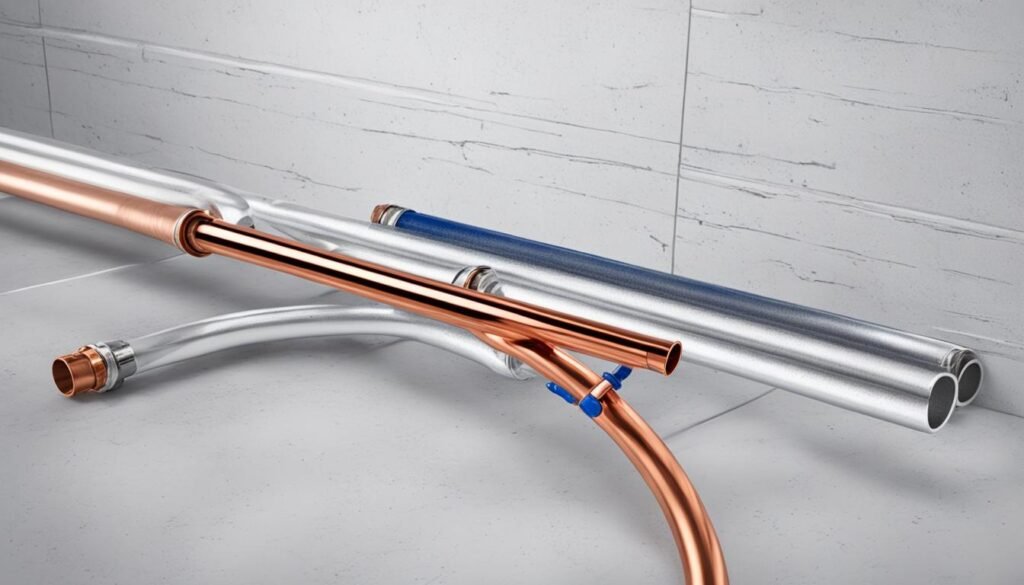
Copper Pipes and PEX Pipes

Deciding between copper and PEX depends on your plumbing needs. It’s wise to talk to a professional. Plumbers in Hemet CA can help you understand what’s best for your Dream Home Digest.

Rigid Plastic Pipes: PVC and CPVC

In the plumbing world, PVC and CPVC pipes are big players. PVC stands for polyvinyl chloride and CPVC means chlorinated polyvinyl chloride. They are both affordable and tough, perfect for things like water lines and drains.

PVC Pipes

PVC pipes are lightweight and don’t rust, perfect for cold water use and draining. They come in all sizes, from 1/2 inch to 4 inches wide. This makes them great for any size project, whether at home or in a business. Because they last a long time and can handle a lot of pressure, they’re often chosen by pros and homeowners.

CPVC Pipes

CPVC pipes are like PVC but can handle more heat. They work for both hot and cold water. Sizes range from 1/2 inch to 2 inches wide, fitting many needs. CPVC can take temperatures up to 200 degrees Fahrenheit. Even though they cost a bit more than PVC, they’re still cheaper than metal pipes.

Are you building something new or fixing up an old place? Knowing about PVC and CPVC pipes is key. Think about the cost, how durable they are, and if they can handle the temperature you need. This way, your plumbing will work great, and your home will be just how you want it.

Conclusion

Selecting the right plumbing pipe material is vital. It greatly affects how well your plumbing works, how long it lasts, and its cost. Knowing about the five main pipe types helps homeowners and contractors choose wisely. This ensures the plumbing runs well and is affordable.

For a new build or if you’re improving your plumbing, think about cost, how long it lasts, temperature, and how easy it is to put in. Topline Industries, a top plumbing pipe maker in India, is known for quality and delivery. They’re a great choice for your plumbing needs.

Talking to experts in places like Hemet, CA, is smart. They can help pick the best pipes. This improves how your plumbing works, how long it lasts, and saves you money. Selecting the right pipes is key for your home or remodeling project. It ensures your plumbing works well for a long time.

FAQ

What are the main types of plumbing pipes?

Copper, PEX, PVC, CPVC, and rigid plastic are the five main types of plumbing pipes.

What are the key characteristics of copper pipes?

Copper pipes are known for being durable and resisting corrosion. They can also handle high temperatures. This makes them great for both hot and cold water lines.

How do PEX pipes differ from other plumbing pipe materials?

PEX pipes stand out because they are flexible and easy to install. They’re also good at resisting scale and chlorine. This makes them a good choice for many plumbing needs, both at home and in businesses.

What are the advantages of using PVC and CPVC pipes?

PVC pipes are light and resist corrosion well. They are perfect for cold water and drain lines. CPVC pipes, a type of PVC, can handle higher temperatures, making them good for both hot and cold water use.

How can I ensure I choose the right plumbing pipe material for my needs?

To pick the best pipe for your plumbing, think about the cost, how long it will last, its temperature limits, and how easy it is to put in.

Source Links

Outdated Plumbing Methods: What’s No Longer in Use

Outdated Plumbing Methods

Before 1978, the U.S. used lead pipes. These could make the water unsafe to drink. People also used galvanized steel and polybutylene pipes. These can cause leaks and make water dirty.

Key Takeaways

  • Lead pipes were once common but have been banned due to health concerns.
  • Galvanized steel pipes are prone to corrosion, leading to rust and reduced water flow.
  • Polybutylene pipes have a history of premature wear and chemical reactions with water.
  • Outdated water fixtures can contribute to inconsistent water pressure and leaks.
  • Improper plumbing repairs in old homes can create recurring issues.

Galvanized Steel and Lead Pipes

Homes built from the 1930s to the 1980s often used galvanized steel pipes. These can rust over time. Rust might cause blockages and let lead into the water, which can make the water look off-color and harm health. Even old copper pipes can hold lead, which is dangerous.

The Dangers of Outdated Piping Materials

In 2014, the Flint water crisis showed how many people can be affected by lead. It was a big problem when the water supply changed. Lead in the water can seriously harm people. The U.S. still has over 9 million lead pipes, especially in older and industrial areas.

The Biden Administration plans to replace all lead pipes in the U.S. in the next ten years. This plan will make the water safer by targeting the pipes that go into people’s homes. Since 1986, there’s been a ban on using lead in water systems because of its danger to health.

Copper and PEX tubing are good choices to replace lead or galvanized steel pipes. They are strong against rust, last a long time, and meet modern safety rules. However, changing a whole plumbing system can cost a lot. It’s key for homeowners to always check and maintain their plumbing. This can help to spot outdated and risky materials early, before they cause big problems.

Pipe MaterialLifespan
Brass50 to 75 years
Copper50 to 100 years
CPVC50 to 70 years
PEXMore than 40 years
PVC50 to 80+ years
Stainless Steel100 years or more

Galvanized steel pipes usually last between 20 to 50 years. Compare this to brass, copper, or stainless steel, which can last even longer. Changing old plumbing systems is important for good water quality at home. It also helps to reduce health hazards linked to old plumbing.

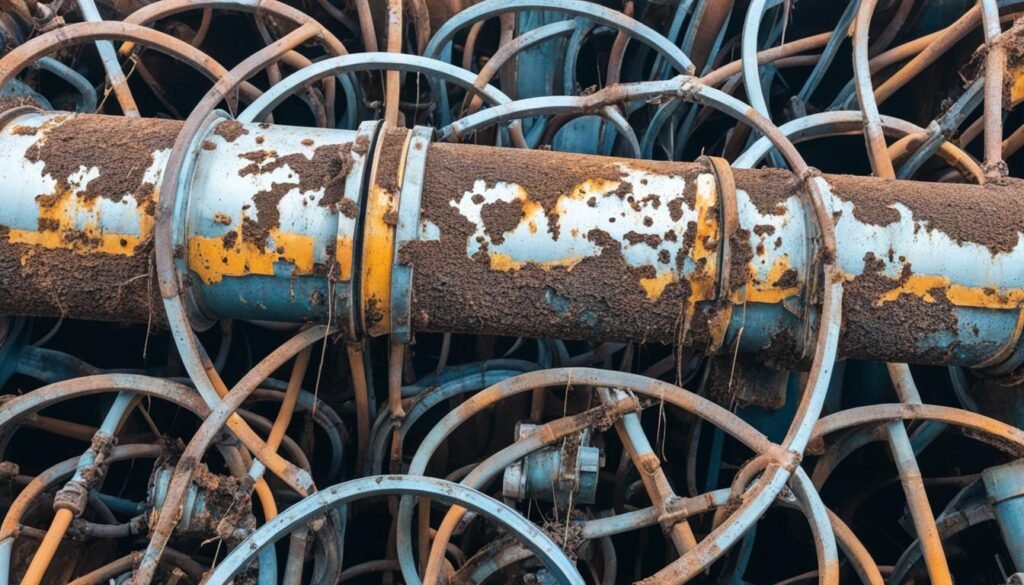
Galvanized Steel Pipes

Outdated Plumbing Methods

Old piping, like galvanized steel and lead, can be bad for your health. Houses that are older might have plumbing fixtures and ways that are not the best now. These old systems might make water move poorly, break the rules, and even cause problems like leaks.

Old homes might have traps to stop sewer smells. But these traps often block up, causing more trouble. Polybutylene pipes from the 1970s and 80s can break, leading to water damage.

People with older houses should know about these issues and think of updating to better, safer options. This might mean changing old fixtures, using newer pipes, and doing regular checks to keep the plumbing working well.

Plumbing ComponentLifespan
Brass70-100 years
Cast iron80-100 years
Copper50-70 years
Galvanized steel70-100 years
PEX25-40 years
PVC, CPVC, or plastic50-80 years

Doing regular maintenance is a good idea for any homeowner. Checking pipe pressure, looking at fixtures, and fixing valves can keep your plumbing lasting longer. Using water flowmeters to watch for leaks and mapping your system can help spot big problems before they happen.

Knowing about the problems with old plumbing fixtures and systems and fixing them can keep your water and plumbing working well. Doing this can make sure your maintenance and water use are efficient and safe.

Plumbing Modernization

“Upgrading plumbing and keeping up with maintenance can make your water system safer and more efficient. It avoids costly repairs later on.”

Conclusion

Upgrading your old plumbing is key for a safe and efficient water supply at home. By knowing the dangers of old materials like galvanized steel and lead, you can be prepared. This means modernizing your plumbing to improve your home’s water quality.

Regular checks and care for your plumbing are vital. They help catch and fix problems early. Getting help from skilled professional plumbers is wise. They can guide you through updating your plumbing. They also help you pick the best new materials to use. This includes home plumbing upgrades and replacing old systems with new.

Spending on improving home water quality and maintaining plumbing systems is worthwhile. It prevents expensive leaks and repairs, plus it lowers bills. It also improves how you use water and follows safety rules. Now, with the latest plumbing inspections and tech, like leak detection and smart management, homeowners can act before problems grow. This ensures the plumbing at home lasts a long time.

FAQ

What types of outdated plumbing materials are commonly found in older homes?

Older homes might have plumbing made from materials like galvanized steel, lead, and old copper pipes with lead. These can get damaged over time. This might cause water to change color or block pipes. It can even lead to health problems.

How can galvanized steel and lead pipes be dangerous?

Galvanized steel pipes might start to rust and corrode. This can lead to harmful lead getting into the water. The water might not look right and could make people sick. This is especially risky for kids. Older copper pipes might also have lead in them, which is just as dangerous.

What other outdated plumbing methods and fixtures should homeowners be aware of?

In old houses, you might find things like house traps or polybutylene pipes. These can cause clogs and other problems. House traps and polybutylene pipes are outdated and can stop working properly over time.

Why is it important to address outdated plumbing in a home?

Outdated plumbing can lead to many issues, from odd-colored water to serious health problems. It can also cause expensive leaks. This is why it’s key to check and update the plumbing in your home. Doing so makes sure your water is safe, efficient, and dependable.

How can homeowners go about modernizing their plumbing system?

It’s crucial to work with skilled plumbers to fix any old or unsafe plumbing in your house. They can guide you in choosing better, modern materials and methods. This way, your plumbing will be safer and more durable.

Source Links

The Most Useful Household Appliance Revealed

Most Useful Household Appliance

The refrigerator is a top pick for modern living. It, along with washing machines and air conditioners, is essential. The refrigerator is key to keeping food fresh, allowing us to stock up.

Key Takeaways

  • The refrigerator is the most useful household appliance, revolutionizing daily life and providing unparalleled convenience and efficiency.
  • Refrigerators keep food fresh for an extended period, allowing homeowners to stock up on groceries and always have something on hand for meals.
  • Refrigerators are an essential appliance in the modern home, providing a reliable and efficient way to store and preserve food.
  • Maintaining the optimal refrigerator temperature of around 37°F is recommended for maximum efficiency and food preservation.
  • Refrigerators are a fundamental part of the modern kitchen, contributing to the overall convenience and functionality of the home.

Introduction to Household Appliances

Household appliances have changed modern life, making tasks easier. They save time and make homes more efficient. There are big appliances like fridges and small ones like coffee makers.

Defining Household Appliances

Big appliances, such as refrigerators and ovens, are key at home. They help with food storage, laundry, and cooking. Small appliances like microwaves are more for specific needs and take up less space.

The Role of Appliances in Modern Living

Appliances are everywhere in today’s homes. They do chores for us, saving time. They also save energy, helping the environment and cutting costs. Appliances have boosted the quality of home life, making things easier.

Appliance TypeHousehold Penetration RateExamples
Refrigerators100%Whirlpool 240 L Frost Free Multi-Door Refrigerator
Washing Machines95%Samsung 7.2 kg Semi-Automatic, Whirlpool 7 Kg 5 Star Royal Plus Fully-Automatic
Air Conditioners100%Panasonic 1.5 Ton 5 Star AC
Microwaves75%IFB 20 L Convection Microwave Oven

Appliances like refrigerators and washing machines are in almost every home. As tech gets better, appliances do more for us. They keep making life at home more comfortable and efficient.

Household Appliances

The Most Useful Household Appliance: Refrigerator

The refrigerator is key in every modern home. It offers many benefits, making it a must-have item.

Benefits of Refrigerators

Refrigerators help keep food fresh for a long time. They maintain a cool temperature, stopping food from spoiling quickly. This means you can buy more groceries, have more ingredients on hand, and waste less food. Also, fewer trips to the store means you save time.

They are not just for keeping things cold. Refrigerators are also important for safety. They protect meats, dairy, and other foods from harmful bacteria. This keeps your family eating fresh and healthy meals.

Energy-Efficient Refrigerator Options

For best efficiency and savings, pick an Energy Star-certified refrigerator. These models use less energy than others. This leads to lower bills and helps the environment. It’s important when buying one to think about your household’s size and what features you need. But, always make energy efficiency a top concern to save money and protect our planet.

AppliancePower Consumption Range
American-Style Fridge Freezer40W to 80W
Refrigerator100W to 200W
Electric Kettle1200W to 3000W
Microwave Oven600W to 1700W

This table shows the power range for different appliances. It stresses the importance of choosing an energy-efficient refrigerator for saving money and helping the planet.

Refrigerator

“The domestic refrigerator was introduced in 1913 by American inventor Fred Wolf, evolving into the trusted brand Kelvinator, revolutionizing food preservation in households.”

Other Essential Household Appliances

Outside of the fridge, crucial household devices help make modern life easier. Washing machines and dishwashers clean our clothes and dishes, saving time. Microwaves heat food quickly. Coffee makers and blenders meet the needs of many households. Air conditioners and vacuums keep our spaces pleasant and tidy.

Washing machines come in various models and prices. The Maytag MEDX655DW is a reliable choice for a new dryer. The Ninja Foodi dishwasher ($199.99) makes doing dishes simpler and quicker.

Microwaves are a must in kitchens now. They quickly heat up food or cook simple meals. The Multifunctional Digital Air Fryer ($139.99) serves as an oven and air fryer. For coffee lovers, the Smart 12-Cup Coffee Maker ($99.99) is perfect. Blenders, like the Vitamix 5200, make a range of drinks and purees.

Air conditioners and vacuums are key to a cozy, clean home. Robot vacuums clean floors with little effort. For deep cleaning, the Ryobi 18V One+ Vacuum Kit is a great choice. Portable air conditioners keep your home’s temperature right all year. The Breville Smart Oven Air Fryer Pro ($349.99) is an all-in-one solution.

AppliancePrice
Ninja Foodi$199.99
Lomi Bloom Food Recycler$599.00
Kitchen Central 3-in-1 Food Processor$149.95
Cocktail Maker Machine and Drink Maker$299.99
Multifunctional Digital Air Fryer$139.99
Nugget Ice Maker$629.00
CREAMi Ice Cream Maker$199.00
High-Speed Smart Toaster$349.99
Countertop Convection Toaster Oven$235.44
Smart 12-Cup Coffee Maker$99.99
Bread Maker Machine$99.99
Electric Breakfast Sandwich Maker$50.68
Juice Fountain Cold Plus Centrifugal Juicer$299.95
Mueller’s M99S Ultra Kettle$39.99

Household appliances improve our daily lives in many ways. They automate cleaning, speed up cooking, and create comfy spaces. Choosing the right ones can boost how efficient and convenient your days are.

“Among surveyed readers and customer reviews of large home appliances, LG fridges tend to make their owners the happiest.”

Maintaining and Protecting Household Appliances

To keep your household appliances working well, clean them often and make sure they can breathe. Clean the seals, gaskets, and coils on fridges, ovens, and dishwashers regularly. This stops dirt buildup that can make them work less efficiently and shorten their lifespan. Having space around your appliances is key for them to work right. For instance, appliances should not touch walls or cabinets. Also, remember to clean your dryer’s lint trap and check the vents every year to avoid fires and use less energy.

Cleaning and Ventilation Tips

It’s important to keep your appliances clean and aired out. Doing so can make them last longer and use energy better. Here are some tips:

  • Wipe down seals, gaskets, and coils regularly to remove built-up dirt and debris.
  • Ensure enough room for the appliances to get air around them by leaving space on all sides.
  • Clean dryer lint traps and check the vents every year to lower the chance of fires and use less energy.

Power Protection Strategies

Shielding your appliances from power jolts is key to keep them safe and last longer. Use surge protectors or power strips for big power devices like fridges and washers. This guards them against sudden electrical changes. Turn off appliances when not using them. Also, make sure to set them up and use them as the makers advise. This will make your appliances efficient and last longer.

Appliance Maintenance TaskFrequency
Clean refrigerator coilsEvery 6 months
Replace HVAC air filtersEvery 3 months
Clean dryer lint trapAfter every use
Inspect and clean dryer ventsAnnually
Replace smoke detector batteriesAnnually
Replace CO detectorEvery 5 years

These tips will help your appliances last longer and work more efficiently. This is good for saving money down the line.

“Proper care and maintenance can significantly extend the lifespan of your household appliances, saving you money in the long run.”

Conclusion

After gathering all the facts, it’s clear the refrigerator leads as the top household appliance. It shines with its immense help in storing food and keeping things cool. It also stands out for being energy efficient, which is vital for today’s homes. But, let’s not forget about the washers, dishwashers, and AC units. Their role in making our lives easier and better is crucial too.

Keeping these appliances working well needs good care. We should clean, ensure they’re well-ventilated, and protect them from power issues. Doing this helps us make the most of our helpful home tools. It also let us enjoy the latest comforts while saving energy and money.

Most people see the refrigerator as key, mainly for keeping food fresh. Around 80% of those asked said it’s super important. Besides, items like washers and ACs make our everyday chores simpler. They also lift our quality of life. Using tech and energy-saving designs can boost how our household appliances work. It makes them more efficient and better for the environment.

FAQ

What is considered the most useful household appliance?

The most useful household appliance is the refrigerator. It changes our daily life and saves time, energy, and money.

How do refrigerators benefit modern households?

Refrigerators do a lot for us. They keep food fresh for longer. This lets us buy more groceries and have lots of ingredients for meals.

This means less food gets wasted. We also don’t need to go to the store as often. Plus, refrigerators keep our food safe to eat.

What are some other essential household appliances?

Besides the fridge, we have many other key appliances. There’s the washing machine, dishwasher, microwave, and more. They all make our lives easier.

How can homeowners maintain and protect their household appliances?

To keep appliances working well, clean them often and give them space to breathe. Use surge protectors to protect against power problems too.

Remember to turn off appliances not in use. And always follow the manual for set up and use. These simple steps help appliances last longer.

Source Links

Identifying and Understanding Household Appliances

Identifying Household Appliances

In our homes today, electricity powers many helpful devices. We see this with our toasters and washing machines. These devices make our lives easier and more enjoyable. It’s key to know how they work to use and care for them well.

Most household appliances use a system of a hot wire and a neutral wire. The hot wire carries around 120 volts, and the neutral wire is at 0 volts. We can divide these appliances into three groups. There are heating appliances that make heat, motor appliances that move, and those that do both heating and moving jobs.

Key Takeaways

  • Household appliances are powered by a hot wire with 120 volts and a neutral wire at 0 volts.
  • Appliances can be classified as heating, motor, or combination types based on their primary function.
  • Understanding the different types of appliances and how they work is crucial for efficient use and maintenance.
  • Appliance identification and object detection are important for smart home automation and domestic robotics.
  • Appliance recognition is a key capability for the Internet of Things and intelligent systems in the home.

Introduction to Household Appliances

Household appliances are devices that help with everyday tasks. They cover a huge range of items from making food to cleaning and fun. These things make life easier and more enjoyable.

Definition and Types of Household Appliances

There are two main types of appliances: small and large. Small ones are things like fridges and washing machines. Large appliances include TVs and computers. They help in different ways around the house.

You can find a lot of different appliances out there. There are basic things like blenders and coffee makers. And then there are super smart gadgets that control your house. These Domestic Appliances, Home Appliances, and Household Appliances aim to make doing chores easier. They also help save energy.

Importance of Understanding Appliances

Knowing about appliances helps us pick the best ones. It ensures we use them well and keep them working great. This is important for saving energy. By learning about Small Appliances and Large Appliances, we can make smart choices. We can choose items that are good for our planet.

“Household appliances have become an integral part of modern life, transforming the way we manage our homes and enhancing our overall quality of life.”

Household Appliances

Heating Appliances

Household heating appliances are key to our daily lives. They offer warmth and make tasks easy. They work by converting electricity into heat, which we use for many things like toasting bread and drying clothes. A main component in these appliances is the heating element. This element resists electricity, making it heat up.

Examples of Heating Appliances

Some common heating devices in homes include toasters and toaster ovens. They use a heating element to toast bread quickly. Coffee makers also have a heating element. It heats the water, which then makes coffee as it flows through the grounds.

Electric irons are another example. They use a heating element to heat the iron’s plate for smoothing clothes. Slow cookers use a heating element too. They cook meals slowly, making dishes tender and flavorful.

How Heating Appliances Work

Heating appliances work based on electrical resistance. When electricity flows through a heating element, it resists the current. This resistance produces heat. The heat warms up the surroundings, like in a toaster or an iron.

The heat a device makes is linked to its power, measured in watts. More watts equal more heat. How long you use the appliance also affects how much energy it uses.

ApplianceAverage WattageEnergy Consumption per HourAnnual Cost (at $0.11/kWh)
Electric Kettle1,500 watts1.5 kWh$60.23
Toaster800-1,200 watts0.8-1.2 kWh$32.12-$48.18
Coffee Maker900-1,200 watts0.9-1.2 kWh$36.13-$48.18
Iron1,000-1,800 watts1.0-1.8 kWh$40.15-$72.27
Slow Cooker200-300 watts0.2-0.3 kWh$8.03-$12.05

Understanding how heating appliances work helps you save electricity. Knowing their energy use patterns can lower costs.

Heating Appliances

“Heating appliances are the backbone of a well-equipped modern household, providing the warmth and convenience we depend on for our daily routines.”

Motor Appliances

In homes, motor-powered devices are key. They make tasks easier by turning power into moving parts. Things like blending, cutting, and cleaning are all thanks to these appliances. Know how they work and you’ll really value what they do.

Examples of Motor Appliances

Common motor appliances in homes today are:

  • Food mixers and blenders
  • Electric can openers
  • Garbage disposers
  • Vacuum cleaners
  • Fans and humidifiers

These items have electric motors. They change electricity into a type of energy that makes things move. How well they work is all about the motor’s quality and design.

ApplianceMotor TypeKey Features
Food MixersAC or DC motorVariable speed control, efficient blending, quiet operation
BlendersAC or DC motorHigh-powered blades, versatile for various tasks, easy cleanup
Vacuum CleanersAC or DC motorPowerful suction, adjustable settings, long-lasting performance
FansAC or DC motorEnergy-efficient, quiet operation, versatile for cooling and air circulation

Picking and caring for good motor appliances does a lot. It saves energy, money, and makes your life at home better.

“Electric motors are crucial in determining the efficiency, durability, and overall performance of household appliances in the motor appliances industry.”

Identifying Household Appliances

Knowing your household appliances is super helpful. You can tell what they are by how they look, their features, and what’s written on them. This helps you use them better, keep them running well, and buy wisely.

Visual Cues and Physical Features

What an appliance looks like can tell you a lot. A tall, slim machine with a heating part is probably a toaster oven. But a short, rounded one with a glass jar is likely a coffee maker. You can also look at things like motors and buttons to know what something is, like a blender or a vacuum.

Labeling and Branding

The words and logos on an appliance give you a big hint. They show who made it, its model, and if it’s good for the planet. This info helps you know what it can do and how to fix it if needed.

Appliance TypeVisual CuesPhysical FeaturesLabeling and Branding
Toaster OvenTall, narrow shape with a heating elementHeating coils, control panelManufacturer name, model number, energy efficiency rating
Coffee MakerRounded, compact shape with a glass carafeWater reservoir, warming plate, control buttonsManufacturer name, model number, brewing capacity
BlenderCylindrical shape with a detachable pitcherMotor base, blades, control panelManufacturer name, model number, wattage
Vacuum CleanerUpright or canister shape with a long hoseMotor, wheels, attachmentsManufacturer name, model number, suction power

Getting to know your appliances makes life easier. You’ll use them better, keep them longer, and enjoy them more.

Factors to Consider When Buying Appliances

When you buy household appliances, it’s key to think about a few main things. These help you pick right and be happy with your choice. Think about energy use, the size you need, and what you want it to do. Every detail matters for making sure you get the most from your new appliance.

Energy Efficiency

Energy saving is very important when you shop for appliances. Make sure to check for the Energy Star and Energy Guide labels. These mean the appliance saves energy. Plus, you’ll save money on bills and help the environment.

Size and Capacity

Choose an appliance that fits your space and your family’s needs. Most ranges are 30, 36, or 48 inches wide. Professional ranges are bigger, with extra features like more burners. Wall ovens come in 27 and 30-inch sizes, offering single or double-ovens.

Features and Functionality

Think about what you need from your appliance. You can pick from simple to smart features. Induction cooktops save energy and cook fast. Speedcooking ovens use convection and microwaves to make meals quickly.

Looking at Appliance Buying Factors like Energy Efficiency, Appliance Size, Appliance Capacity, Appliance Features, and Appliance Functionality helps you find what’s perfect for you.

Appliance FeatureDescriptionBenefit
Energy Star RatingA certification that means the appliance is very energy efficient, by the U.S. Environmental Protection Agency.It uses less energy, saving you money. This also helps the environment.
Appliance SizeHow big the appliance is, from small to big options.It’s important to make sure the appliance fits and does what you need.
Appliance CapacityHow much the appliance can hold, like dishwashers or ovens.Make sure it can handle your family’s needs.
Smart FeaturesNew technology that makes appliances easier to use, like apps or voice control.This adds convenience and can be part of a smart home system.
WarrantyA promise from the manufacturer to fix or replace the appliance if it breaks in a certain time.It protects you from problems, giving you peace of mind and value over time.

Considering these points helps you choose wisely within your budget. It ensures you get appliances that fit your lifestyle and needs perfectly.

Smart and Connected Appliances

The appliance market is now adopting high-tech features, like the Internet of Things and Artificial Intelligence, in regular home devices. These smart and connected appliances bring many benefits. They make life more convenient, use less energy, and promote better health and cleanliness at home.

Internet of Things and Home Automation

Thanks to smart home technology, managing your home has taken a big leap. Protocols like Zigbee and Z-Wave are making it easy for appliances to talk to each other. This means you can control them from a distance. With Wi-Fi and Bluetooth, appliances can now readily connect to the internet. This opens the door to exciting home automation solutions.

Benefits of Smart Appliances

Smart appliances bring forth a range of cutting-edge features for today’s homes. They can do simple tasks, like monitoring and adjusting themselves, to complex jobs. You might have a stove that follows cooking recipes, better air flow management, and energy-saving strategies. These advanced capabilities provide customized experiences and improve health and cleanliness at home. They also make life a lot easier.

Even though smart appliances are becoming more popular, people still have worries. They are concerned about privacy, if the features will actually work, how long they will last, and the cost. But, appliance makers are listening to these worries. They focus on making their products reliable, energy efficient, and effective for their users.

The world of smart homes and home automation is always growing. The use of the Internet of Things and Artificial Intelligence in appliances is changing the way we look at home management. It’s creating a living space that’s not just efficient, but personalized too.

Conclusion

Knowing about household appliances and how they work is key to a smooth and efficient home life. It’s important to follow the latest in home tech. This way, choosing the best appliances for your needs gets easier. Whether it’s a smart fridge, an energy-saving washing machine, or a combo microwave, the choices are many. Such appliances can really make daily life at home better.

The world of home tech has changed a lot in recent years. Now, items like smart, eco, and beautifully designed appliances are in demand. Manufacturers are making these to fit eco-conscious and design-savvy people. You can find items that save energy or make life more convenient. This mix of style and tech truly enriches our living spaces.

Taking care of your appliances is as important as buying them. Regular check-ups can help them last longer and save you money. With a good care plan and picking quality brands, you can get the most out of your machines. This way, your home becomes a more efficient and cozy place to be.

FAQ

What are the main types of household appliances?

There are three main types of household appliances. First, there are heating appliances. They turn electrical energy into heat. Second, motor appliances change electrical energy into movement. Finally, there are combination appliances. They heat and move at the same time.

How do heating appliances work?

Heating appliances work by changing electric energy into heat. They do this with a wire that heats up. This wire is called a heating element. Toasters, coffee makers, and irons are examples.

How do motor appliances work?

Motor appliances use electric energy to move. They have electric motors that make energy into movement. This movement does things like mixing food or cleaning. Blenders and vacuum cleaners do this.

How can I identify different household appliances?

You can tell appliances apart by how they look and what they do. Look at their shape, color, and size. Notice if they have heating elements or motors. Also, check the label for the brand, model, and energy use.

What factors should I consider when buying a household appliance?

When you’re buying an appliance, think about its energy use. Look for the Energy Star logo. Also, choose a size and ability that fits your needs. And think about what features you want for your home.

What are the benefits of smart and connected household appliances?

Smart appliances use the Internet and AI. They let you control them from afar. They can also talk to each other. This means more convenience, saving energy, and a cleaner home.

Source Links