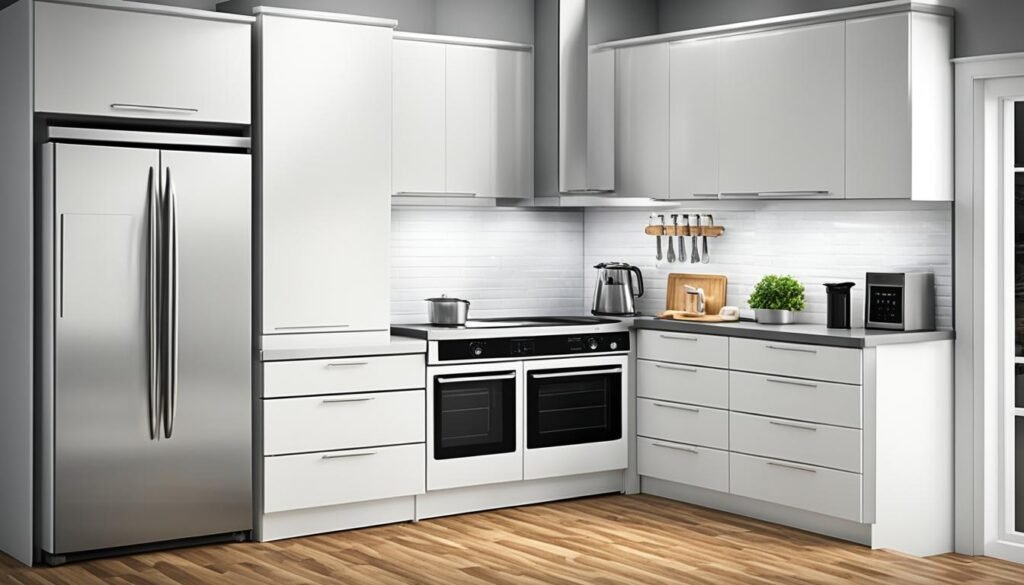
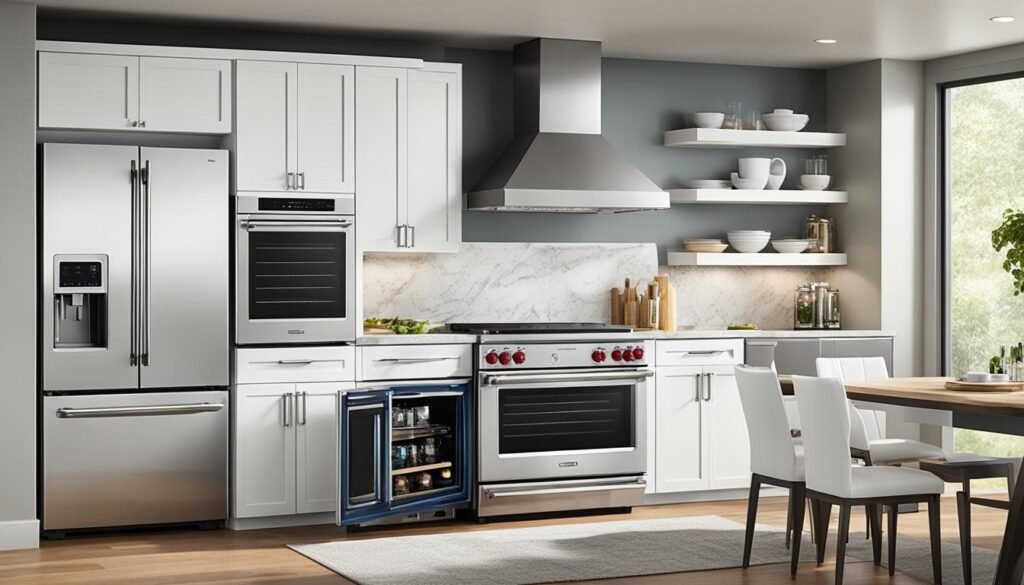
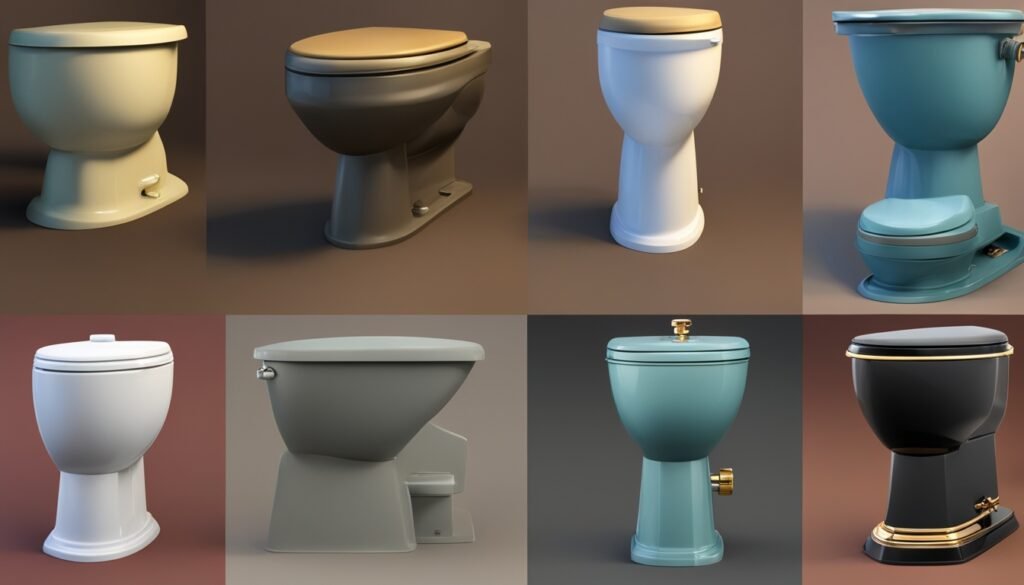
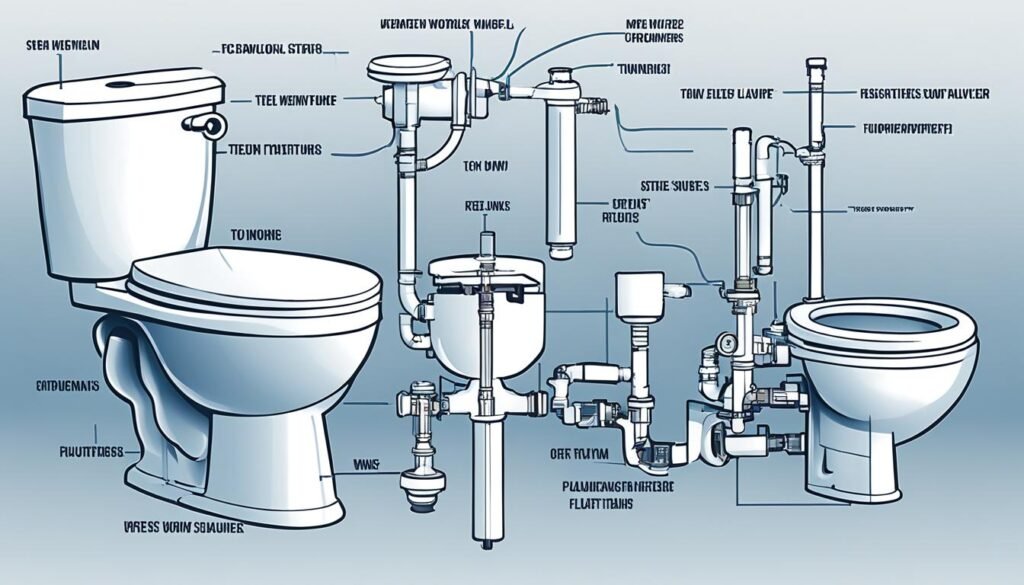
Understanding the Three Main Types of Plumbing Systems

Main Types of Plumbing Systems

Did you know there are three main plumbing systems in homes and businesses? These systems help keep things running well. They are the potable, sanitary, and stormwater systems. Each is key for accessing clean water, getting rid of waste, and handling extra water from rain and snow. It’s important to know how these main types of plumbing systems work. This knowledge can help keep buildings healthy and working right.

Key Takeaways

  • Potable, sanitary, and stormwater are the three main plumbing systems in residential and commercial buildings.
  • The potable system delivers clean water for drinking, bathing, cooking, and cleaning.
  • Sanitary drainage systems remove wastewater from sinks, showers, toilets, and appliances.
  • Stormwater systems drain rainwater and snowmelt away from the property.
  • Various plumbing components, such as pipes, fittings, and valves, are used to distribute water and manage waste.

Potable Plumbing System: The Lifeline of Clean Water

The potable plumbing system delivers clean, safe water to your home or business. It ensures the water you use is free from harmful substances. This lets you drink, cook, and clean with peace of mind. Now, we’ll look at the most important parts of this system.

Water Supply from the Source

Potable water starts its journey at the community water main. It’s sourced from local places like lakes, rivers, or groundwater. Before it gets to you, this water is treated to the highest safety standards.

Water Meter and Shut-Off Valve

At your place, water first goes through a meter. This meter keeps track of how much you use and helps with billing. There’s also a shut-off valve. It lets you stop the water flow if there are emergencies or you need to do maintenance.

Pipes, Fittings, and Valves for Distribution

The water then travels through your place in pipes and fittings. These are commonly made of copper, PVC, or PEX. They ensure water gets to every sink and shower. This way, you have clean water for all your daily needs.

It’s crucial to set up and maintain your plumbing system properly. Doing so keeps your water safe and clean. Knowing about the system helps make sure you get fresh water without any problems.

Potable plumbing system

“The plumbing system is the unsung hero of any building, quietly delivering the water we rely on for our daily lives.”

If you need help with your potable plumbing system, reach out to the experts. Plumbers in Hemet, CA are ready to assist with any plumbing issue. Visit their website at plumbersinhemetca.com or call them for help.

Main Types of Plumbing Systems: The Backbone of Waste Removal

The plumbing system is key to keeping a home comfortable and working well. It includes a system for removing wastewater. This system takes water and waste from sinks, showers, toilets, and more. There are three main types: gravity, low-pressure, and vacuum drainage.

Gravity Drainage Systems

Gravity drainage systems use pipe slopes to carry away wastewater. They rely on gravity to help the water and waste move through the pipes. These systems are the most popular in homes and businesses.

Low-Pressure Drainage Systems

Low-pressure drainage systems use pumps to move wastewater. They are great in flat areas or where gravity systems can’t work. The pumps make sure waste is carried away smoothly.

Vacuum Drainage Systems

Vacuum drainage systems move wastewater with suction. They use special pipes and valves to create a vacuum. This vacuum pulls the waste through the system. They’re used in tight spaces or where gravity systems can’t be used.

It’s important to install and maintain drainage systems correctly. This helps avoid problems like clogs and keeps the environment safe. Always follow local plumbing rules for a safe and effective system.

If you need plumbing help in Hemet, CA, reach out to the team at //plumbersinhemetca.com/. They know all about plumbing and can advise you on what’s best for your home. For more on plumbing systems and making your property work well, visit Dream Home Digest.

sanitary drainage system

Conclusion

The plumbing system is a complex network in your home or business. It brings clean water and takes out dirty water. Knowing about the main types – potable, sanitary, and stormwater – is key. It keeps your place healthy and working well. Regular check-ups and fast fixes by experts stop big problems and keep everything running smoothly for a long time.

Need help with plumbing in Hemet, CA? Reach out to the pros at plumbersinhemetca.com or Dream Home Digest. They’re ready to give advice and fix any issues. This ensures your plumbing is dependable and works well in the future.

Learning the basics of your plumbing helps protect it and saves money. With skilled plumbers, your system stays in great condition. You can relax knowing your place is in good hands.

FAQ

What are the three main types of plumbing systems?

There are three main plumbing systems. These are potable, sanitary, and stormwater systems. They help water flow well in your home or business.

What is the purpose of the potable plumbing system?

This system gives you clean, safe water. It’s for drinking, cooking, and bathing. It’s crucial for daily life in homes and businesses.

How does the sanitary drainage system work?

It takes wastewater from sinks, showers, and toilets. This system uses gravity or pressure to move the waste. It keeps the area clean and healthy.

Why is it important to understand plumbing systems?

Knowing about plumbing systems helps prevent big problems. It keeps your building working well and saves you money. Getting regular checks and repairs from professional plumbers is key.

Where can I find plumbing services in the Hemet, CA area?

For plumbing help in Hemet, CA, reach out to the experts at //plumbersinhemetca.com/ or Dream Home Digest. They offer top-notch services.

Source Links

The Complete List of Household Appliances

List of Household Appliances

Home appliances are a key part of life in America. They make chores easier and add to our quality of life. Since the early 1900s, these machines have grown from a few electric and gas items to a wide range of high-tech devices. Just five big companies now control most of the market.

In the 1980s, the American home appliance industry was booming. It shipped $1.5 billion of products every year. This created jobs for 14,000 people. By 1990, it had grown to $3.3 billion in sales. This change was due to new technology, what customers wanted, and efforts to make life simpler. The push for energy-saving appliances, started in 1987, also had a big impact.

Key Takeaways

  • Home appliances are machines that assist with household functions like cooking, cleaning, and food preservation.
  • The appliance industry saw significant growth after World War II with the introduction of dishwashers and clothes dryers.
  • By the 1980s, the industry was booming, leading to mergers and consolidation, with five companies controlling over 90% of the market.
  • Energy-efficient appliances became mandatory with the National Appliance Energy Conservation Act of 1987.
  • The evolution of home appliances has transformed household chores and increased leisure time for American families.

What are Household Appliances?

Definition and Purpose

A home appliance, also called a domestic appliance or a household appliance, is a machine made for use in our homes. It helps us with many tasks like cooking, cleaning, and keeping food fresh. The use of these home appliances is part of what makes them appliances. They are are tools for specific jobs.

These household appliances cover a wide variety, from refrigerators and stoves to toasters and blenders. They make our lives more comfortable, efficient, and easy. By taking over or simplifying tasks, they’ve become crucial in almost every home. They meet different needs of people living there.

home appliances

The appliance industry has seen big changes over time. Manufacturers are always bringing out new domestic appliances to keep up with what people want. We have everything from fridges that save energy to ovens that are super smart.

Knowing what home appliances are for lets us pick the right ones for our homes. This improves how useful and pleasant our living spaces are.

Major Appliances

Major appliances, or “white goods,” are important for daily chores. They are large essentials like refrigerators, washing machines, and stoves. You can also find dishwashers, air conditioners, ovens, and more. These major appliances are key for a home’s functioning and are bigger than kitchen appliances.

Brands like KitchenAid® provide a vast selection of these essential major appliances. They offer refrigerators, ranges, wall ovens, and more in different styles and features. This variety allows people to find what suits their homes and needs best.

Major ApplianceKitchenAid® Examples
RefrigeratorKitchenAid® KRMF706EB 26 cu. ft. Refrigerator
Range/Cooktop and OvenKitchenAid® KOSE500EBS 30-inch Slide-In Electric Range
DishwasherKitchenAid® KDTM354ESS 44 dBA Dishwasher with FreeFlex™ Third Rack
MicrowaveKitchenAid® KMHC319ESS 1.9 cu. ft. Microwave Hood Combination

Homes are also made complete with kitchen appliances to aid in daily tasks. This includes stand mixers, blenders, coffee makers, and more. Such tools support in food preparation and keeping a place clean.

Major household appliances

Choosing the right major appliances and kitchen appliances for your home is vital. Choosing carefully ensures they fit your family’s needs well. Opting for high-quality major appliances by trusted brands improves daily life with better convenience and efficiency.

List of Household Appliances

Refrigeration Appliances

Refrigeration appliances keep our food and drinks fresh. They include refrigerators, freezers, water coolers, and ice makers.

Refrigerators have freezer areas and save energy. Standalone freezers hold extra food. Water coolers offer cold drinks. Ice makers help make ice fast. They are key for cooking and hosting friends.

ApplianceTypical Power Consumption
Refrigerator100W – 220W
Freezer100W – 220W
Water Cooler100W – 300W
Ice Maker200W – 500W

Refrigeration appliances are essential in homes. They keep our food fresh. From refrigerators to ice makers, they are needed every day.

Cooking Appliances

Cooking appliances are the heart of any kitchen. They let us make many tasty meals. There are a lot of different types. Whether it’s a gas stove or a microwave, they’re needed by everyone from home cooks to professionals.

The range of cooking appliances goes beyond stoves and ovens. There are pressure cookers, air fryers, and more. Even special machines for things like making bread or fufu. Each one helps in its unique way with cooking methods like grilling and sautéing.

Picking the right appliance means looking at energy use and how much food it can cook. For example, more burners on a stove mean less time cooking. And mixing appliances like refrigerators and food processors can really help.

Modern kitchens are also using new technologies. Things like multi-cookers and hand blenders are becoming popular. They simplify cooking and keep the food healthy.

Whether you’re experienced or just starting to cook, the right tools make a big difference. By choosing what fits your style, you’ll make cooking fun and enjoyable.

Cooking AppliancePrice
Ninja Foodi$199.99
Lomi Bloom Food Recycler$599.00
Kitchen central 3-in-1 food processor$149.95
Cocktail maker machine and drink maker$299.99
Multifunctional digital air fryer$139.99
Nugget ice maker$629.00
CREAMi ice cream maker$199.00
High-speed smart toaster$349.99
Countertop convection toaster oven$235.44
Smart 12-cup coffee maker$99.99
Bread maker machine$99.99
Electric breakfast sandwich maker$50.68
Juice fountain cold plus centrifugal juicer$299.95
Mueller’s M99S ultra kettle$39.99

There are so many cooking appliances to choose from. They meet the needs and taste of every kitchen. By selecting the right ones, cooking becomes efficient and enjoyable for everyone.

Laundry Appliances

Laundry appliances are key in today’s homes, needed for washing and drying clothes, sheets, and more. This group has washing machines, dryers, and dishwashers, each playing a special role in keeping things clean.

Washing machines have changed how we clean clothes, offering automatic and semi-automatic choices. A study shows that about 83% of homes in North America have a washing machine. They make washing clothes quick and easy, saving time and work.

Dryers, either standalone or combined with a washer, dry laundry fast. In Europe, sales of dryers have grown by about 4% a year for the last five years. This shows more people want easy ways to dry their clothes.

Drying cabinets are great for delicate clothes, drying them carefully. They’re ideal for items that need a softer drying method.

Dishwashers automate dish cleaning, lessening work in the kitchen. Smart dishwashers are becoming more popular, with a predicted 7% growth each year worldwide.

Together, these appliances make home chores easier and more efficient. They’re getting better, with new models being both energy-saving and simple to use. This improves how we do our laundry work.

“Laundry appliances have become essential tools in our daily lives, making the chore of cleaning and drying clothes a much more manageable task.”

Key Trends and Statistics in Laundry Appliances

  • The top three washing machine brands hold a combined market share of 55% in the Asia Pacific region.
  • Washing machines, dishwashers, and tumble dryers together account for 14% of a typical energy bill.
  • Doing laundry accounts for about 5% of annual electricity usage in the average household.
  • ENERGY STAR-rated laundry appliances are the most efficient and can help save on electricity costs in the long run.

More people want appliances that use less energy and are smart. By keeping up with what’s new in laundry technology, consumers can choose the best for their homes. This helps them be smarter with their energy use.

Conclusion

Home appliances are now vital in our lives, making our chores easier and quicker. Appliances like refrigerators, cookers, washing machines, and vacuums are essential. They meet the needs of both homes and businesses.

As we move forward with technology, smart devices are becoming more common. These devices increase the functions of appliances and use less energy.

Today, home appliances are constantly improving to make life better. They come in many types, each helping to make our lives more comfortable and convenient. Technological progress means we will see more user-friendly & economic appliances for smart homes.

Now, we have reliable fridges, energy-saving washers, and smart kitchen gadgets. The home appliance scene is adapting to what customers want. It’s focusing on being eco-friendly, easy to use, and connected. This trend will keep offering new, life-improving options.

FAQ

What are home appliances?

Home appliances serve specific functions at home, like cooking and cleaning. They were a big invention in the early 20th century. This era saw fewer domestic servants and a desire to do less housework.

What are the different types of home appliances?

Home appliances fall into two groups. Major appliances, including fridges and washing machines, are essential. Then there are the smaller ones, like toasters and blenders, for specific tasks.

What are the key features of refrigeration appliances?

Refrigerators and freezers are at the heart of food preservation. They come with many features such as separate cooler compartments. They are also designed to save energy.

What are the main types of cooking appliances?

The cooking category includes stoves and ovens. It also covers microwaves and rice cookers. These tools are the heat sources for making meals.

What are the key features of laundry appliances?

Laundry appliances tackle clothes washing and drying. They make cleaning clothes much simpler. There are also dishwashers to handle the washing of dishes.

How have home appliances evolved over time?

Home appliances have made our lives easier. They’ve become smarter and more efficient over time. Now we have appliances that connect to the internet and save energy.

Source Links

Defining Modern Home Decor Style

Modern Home Decor Style

Modern design rules the home decor scene for over 50 years. It started at the beginning of the 20th century. This style uses neutral colors, clean shapes, natural stuff, and works really well. Homeowners and designers love it. But, many people don’t get what “modern” really means. So, let’s look at what truly makes this design special.

Key Takeaways

  • Modern home decor style is rooted in a specific design movement dating back to the early 20th century.
  • Characteristics of modern style include neutral colors, clean lines, natural materials, and a focus on functionality.
  • Modern design is distinct from contemporary style, which is constantly evolving and reflects the present day.
  • Scandinavian and German architecture have heavily influenced the modern design aesthetic, emphasizing simplicity and minimalism.
  • Modern homes often feature open-concept floor plans and seamless transitions between spaces.

Introduction to Modern Design

The modern home decor style is classic and elegant, dating back to the early 20th century. It began with the German Bauhaus movement and Scandinavian ideas. This style focuses on simplicity, clean lines, and the usefulness of every piece without much decoration.

Origins and Principles of Modern Style

The rise of the industrial age played a big part in the birth of the modern design movement. During this time, architects and designers aimed for spaces that were simple yet beautiful. They used natural materials, kept colors simple, and made places feel light and open. They believed that items should look good but mainly serve their purpose. This is known as “form follows function.”

Modern design shines in its straightforward and functional approach. It uses clean furniture, materials like wood and stone, and layouts that welcome light and space. These interiors often have big windows, simple colors, and a pop of bright color or piece to draw the eye.

Key Characteristics of Modern DesignExamples
Clean, geometric linesMinimalist sofas, angular coffee tables, geometric light fixtures
Emphasis on natural materialsWooden furniture, stone countertops, natural fiber rugs
Neutral color palettesWhite, gray, beige, black, and earth tones
Open, airy floor plansSeamless integration of living, dining, and kitchen spaces
Functional, minimalist decorAccent lighting, statement art pieces, streamlined accessories

Adopting modern design ideals helps in creating beautiful and practical living spaces. These spaces fit the modern lifestyle perfectly, reflecting the Dream Home Digest.

modern home decor style

Key Elements of Modern Home Decor

Creating a modern home decor style involves several important points. It’s about using colors like white and gray and adding natural materials. These choices make your home look simple yet stylish. They also help join your indoor and outdoor spaces perfectly.

Modern Furniture and Accessories

The center of modern home decor is its furniture and accessories. They are simple, with clean lines, and often made of metal, chrome, or glass. This design style values minimalism over complexity. It also uses unique lighting and decor to make spaces stand out.

Look for simple and neutral furniture when you’re shopping. Pieces in white, beige, and gray can work wonders. Also, pick items made with the environment in mind, like bamboo and recycled glass. This shows a commitment to both style and sustainability.

Modern Design ElementDescription
Neutral Color PaletteShades of white, beige, gray, and taupe create a serene and unified look.
Natural MaterialsSustainable options like bamboo, stone, and recycled glass are favored.
Clean LinesFurniture and accessories feature minimal ornamentation and simple, sleek designs.
Ample LightingLarge windows, skylights, and strategic lighting fixtures enhance the sense of openness.
Open Floor PlansSeamless transitions between indoor and outdoor living spaces promote a flow.

These design elements help you create a modern sanctuary. They focus on simplicity, function, and environmental friendliness. No matter where you live, this style brings a look that lasts and adapts well over time.

modern home decor

“Modern design is not just about the aesthetics; it’s about creating spaces that are both beautiful and functional, with a focus on sustainability and the integration of indoor and outdoor living.”

Modern Home Decor Style

In the world of interior design, modern home decor style shines brightly. It has been popular for over fifty years. People often mix it up with contemporary design. Yet, they’re not the same. Contemporary design keeps changing. Modern style is from the early to mid-20th century. It features clean lines, neutral colors, and a function-first mindset.

Modern home decor is known for being minimalist. Yet, it’s not as strict as minimalism. It welcomes natural materials, open spaces, and standout pieces. This mix of simple and fancy makes the home calming and inviting. Many homeowners love it for that.

Modern furniture and accessories are about sharp shapes and being useful. They often hide storage to keep things neatly placed. Lights in these homes are simple and use natural light a lot. They fit right in with the style’s simple look.

  • Neutral color schemes, with added pops of color, reign in modern design.
  • Tiled or marble floors are common. They make the space look good and are safe too.
  • Geometric shapes and patterns often bring playful vibes to the design.

Modern decor is a classic choice for anyone wanting a stylish and practical home. It focuses on minimalism but with natural elements and key pieces. This makes the home a place of peace and beauty that’s also very functional.

“The essence of modern design is to create a clean, uncluttered and functional living space that promotes a sense of calm and well-being.”

This style is still a top pick for many who prefer easy living, care about the environment, and love tech. They bring these aspects into their homes, making them look great and feel just right. It shows off their unique taste and makes life better.

Differentiating Modern from Contemporary

People often mix up “modern” and “contemporary” when talking about home decor. These design styles are actually quite different. Modern home decor style comes from the early to mid-20th century. It focuses on natural colors and strong features. Contemporary design is always changing, looking toward the latest trends.

The modern design started with the Bauhaus movement and Scandinavian design in the 1920s through the 1950s. It loves clean, simple spaces with natural materials. The color schemes usually include warm neutrals. Midcentury modern, from the 1950s and 60s, brought in bright, fun colors.

“Modern design encompasses the early to mid-20th century, including the 1920s Art Deco and 1950s & 1960s midcentury modern trends.”

Contemporary design pulls from many styles, including modernism and futurism. It doesn’t focus on a specific time period. Instead, it’s about what’s new in design right now. Contemporary spaces have clean, minimalist furniture. They may mix bright colors with neutral shades and use striking decorations.

Both styles like clean lines and lots of light. But modern design is more structured and traditional. Contemporary design is more free-flowing and mixes different elements. Modern rooms use materials like wood and leather. Contemporary spaces might feature metals and modern, shiny finishes.

Picking a modern or contemporary style can reflect your taste and what kind of vibe you want in your home. If you love the look and feel of the 20th century, you’ll probably prefer modern decor. If you’re into the latest trends and a design that’s bold, contemporary design might be more your style.

Embracing Minimalism in Modern Homes

Today, people love the looks of modern home decor style. A big part of it is minimalist design. This design focuses on using less but making sure everything is useful. So, with this style, homes are beautiful and work well for the people living in them.

Minimalism says “less is more.” It started in Japan and values things like natural materials and open floor plans. Accent lighting is also key. This makes homes feel calm and peaceful. A big part of this is keeping things simple and free from clutter, which makes rooms look neat and clean.

  • The minimalist interior design trend shows no signs of slowing down in 2024, making it one of the most desired styles of the year.
  • Natural materials like boucle, wood, tweed, metal, and woven rugs in neutral colors are often incorporated into minimalist design to provide warmth and texture.
  • Minimalist design emphasizes clean lines, simple shapes, and the use of space and light to create a tranquil, focused environment.
  • Organized and decluttered homes can lead to increased focus and productivity, making minimalist design particularly appealing for home offices and study spaces.

By following minimalism, people make their modern homes look amazing. They also help the environment and feel more peaceful. This way of designing homes tells us to choose quality, not quantity. It’s about buying things that last a long time and using them well.

Key Elements of Minimalist DesignBenefits of Minimalist Design
  • Clean lines and simple shapes
  • Neutral color palette
  • Natural materials
  • Emphasis on space and light
  • Functional, multi-purpose furniture
  • Decluttering and organized storage
  • Tranquil, serene environment
  • Increased focus and productivity
  • Sustainable living and mindful consumption
  • Timeless, elegant aesthetic
  • Versatility and adaptability
  • Connection to nature

Minimalist design is great for modern home decor. It not only shows what people like but also makes them feel calm. This style is all about being simple, useful, and close to nature. It’s a top choice for anyone who loves good design and caring for the planet.

“Minimalist interior design emphasizes the use of space and light, enhancing the illusion of space in a room. It is essential to invest in timeless pieces of furniture that will last for years to come.”

– Alessia Lamonaca, Interior Designer

Regional Influences on Modern Design

Modern home decor has seen many influences. Each brings something new to simple design, contemporary furniture, and green living. Scandinavian design, which believes in clean lines and natural materials, contrasts with the fearless spirit of American modernism. Meanwhile, Brazilian styles add a touch of organic beauty. All these influences have shaped what we call modern design today.

Scandinavian Influence

The style from Scandinavia focuses on being useful, simple, and close to nature. Homes in this style are often filled with light colors and let in as much natural light as possible. They use materials like wood and textiles. Special lighting and unique pieces, such as Eames chairs, decorate these simple spaces.

American Modernism

American design is known for experiments with new materials and blends of style and function. The work of Charles and Ray Eames is a key part of this movement. Their use of plastic and steel in furniture is a great example. The style also includes smart home tech, showing a love for nature and modern living.

Brazilian Influence

In Brazil, modern design uses local materials to create beautiful yet practical furniture. The style is full of warm woods, like jacaranda, crafted into interesting shapes. This design reflects a deep connection to the environment. Brazilian style has made a big impact on modern home decor around the world.

RegionKey Design ElementsAesthetic Influence
ScandinaviaBright, neutral colors; open floor plans; natural materialsFunctionality, simplicity, connection to nature
United StatesInnovative use of materials; open floor plans; smart home technologyExperimentation, sustainability, contemporary aesthetics
BrazilUse of local, natural woods; organic, sculptural formsBalance of function and aesthetics; connection to the environment

These influences have made modern design what it is today. They’ve made a rich, diverse world of design. Mixing these styles lets people and designers create spaces that are modern yet reflect their story. This mix also keeps in mind key values like living simply, caring for the earth, and looking forward.

Modern Home Decor Style in Today’s Interiors

Modern design started in the early to mid-20th century. It features clean lines and a focus on simplicity. These aspects have made it a timeless hit in today’s home decor. Modern homes often have open plans that flow into outdoor spaces. This matches today’s design trends that value minimalism and being eco-friendly.

The revival of modern design has made classic pieces more available. For example, the Eames lounge chair and the Tulip chair can now be in many homes. These items, along with natural materials and special lighting, create a modern and functional style. This style is known for its beauty and practical use, blending furniture with the overall look.

Besides furniture, modern design has influenced things like open floor plans and smart technology in homes. These features together make spaces feel bigger and living simpler. It attracts those who like a simple look but still want their home to feel inviting.

Now, many people choose to decorate with eco-friendly materials and use efficient lighting and appliances. This choice connects with the main ideas of modern design. It also shows a desire to take care of the planet.

In homes today, modern decor is loved for its neat, minimalist look. From the furniture to the technologies, modern design changes how we view our living areas. It’s not just a style but a way to make our everyday surroundings better.

“Modern design has a timeless quality that resonates with homeowners seeking a refined and minimalist approach to their living spaces.”

Design StyleKey Characteristics
ModernClean lines, minimalist, emphasis on function, use of natural materials
ContemporaryAlways evolving, sleek and simple spaces, use of light-reflecting materials
TransitionalBlends traditional elegance with contemporary elements, balanced design
MinimalistLess is more, neutral color schemes, functional furniture with hidden storage
Mid-century ModernIndoor-outdoor living, use of rich woods, accents of bold colors

Conclusion

Modern home decor started in the early 20th century. It focuses on minimalism, using neutral colors and natural materials.

It’s not the same as contemporary design. Modern style has its own history and design choices. These ideas still impact today’s interior design.

The key to modern decor is keeping things simple and functional. Use materials like wood and leather. Add open spaces and special lighting for the right look.

Many love the mid-century modern look or its clean lines. You can mix these ideas with your own for a unique space. Making your home modern is about style and eco-friendly choices.

FAQ

What is modern home decor style?

It’s a design style from the early 1900s known for its simple look. It uses neutral colors, natural materials, and straight lines. This style values practical use more than being fancy.

How is modern style different from contemporary style?

Modern style comes from the early to mid-20th century, and its look is specific. Contemporary design, however, changes with time. It’s always updating to reflect the now.

What are the key elements of modern home decor?

Modern homes have a few key features. They often use simple, neutral colors and natural wood. You’ll see clean lines, functional furniture, and an open arrangement of the rooms.

How does modern design incorporate minimalism?

Modern style often includes ideas from minimalism. But, it isn’t as strict. Minimalism is about using the fewest elements, like simple colors and furniture, to keep spaces uncluttered.

How have different regions influenced modern design?

Places like Scandinavia and America have added their own ideas to modern design. Scandinavia uses lots of light and simple, bright colors. The American style includes the bold use of new materials. In Brazil, designers focused on local natural wood for their pieces.

How is modern home decor style relevant in today’s interiors?

Modern design fits well with what many people look for today. Its open layouts and simple style match up with sustainable living goals. Also, it’s easier now to find and afford classic modern design pieces.

Source Links

What is the Term for Cozy Interior Design?

Term for Cozy Interior Design

Did you know that cozy interior design has a specific term? It’s called “hygge,” a Danish word. This term means a cozy quality that brings joy. Hygge is more than just a look; it’s a feeling.

It comes from Scandinavian countries and creates warm, inviting places. This design style uses soft textures, natural things, and gentle lighting. Hygge design mixes simple Scandinavian style with a touch of rustic.

Key Takeaways

  • Hygge is a Danish term that embodies a cozy, comfortable, and joyful state of mind.
  • Hygge interior design blends Scandinavian minimalism with rustic charm to create warm, inviting spaces.
  • Natural materials, soft textures, and subtle lighting are essential elements of hygge design.
  • Hygge design focuses on fostering a sense of coziness and connection within the home.
  • The concept of hygge has gained international popularity, influencing interior design trends worldwide.

Unveiling the Essence of Hygge

The hygge concept is originally from Denmark and Norway. It’s about feeling coziness, joy, and contentment. People find it in the simple moments of everyday life. Hygge is hard to translate into English, but it’s like a warm, happy feeling. It makes you appreciate now and feel connected to others.

In Denmark, the idea of hygge is key. The winter there is long and dark, so Danes made their own coziness. They celebrate simple activities, like being with loved ones, drinking something warm, and making their spaces welcoming. This tradition of finding joy in life’s little pleasures has been around for a long time. It’s a big part of Danish culture.

The 1800s in Denmark marked the start of hygge. The country’s cold, dark winters inspired this way of living. Danes strive for Seasonal Decor and Embracing Simplicity to feel cozy. What they call hygge, the rest of the world now sees and appreciates too.

“Hygge is about an atmosphere and an experience, rather than about things. It is a feeling of being warm, safe, comforted, and sheltered.” – Meik Wiking, author of “The Little Book of Hygge”

Today, hygge is not just for Denmark. It’s a worldwide trend. It helps people everywhere focus on Cozy Rituals and what really matters. Even in a fast world, it’s a reminder to slow down and enjoy the moment.

Hygge Concept

Elements of Hygge Interior Design

Lighting: Creating a Warm Ambiance

Lighting plays a vital role in hygge design by setting a cozy vibe. The Danes love using candles and fireplaces for their soft, flickering light. This not only makes a room cozy but also inviting. By mixing task lighting and soft, diffused lights, you can make any space both useful and cozy.

Color Palettes: Embracing Neutrals and Warm Tones

Hygge interior design often uses a neutral color scheme. It focuses on light, calming shades such as white, cream, tan, and gray, known as Scandinavian Neutrals. These colors provide a great base for adding in Earthy Tones and Warm Accents. This approach allows for easy updating of decorations to suit each season.

Hygge Lighting

“The essence of hygge is creating a warm, cozy atmosphere through the use of soft, adjustable lighting and a soothing, neutral color palette.”

Hygge Lighting EssentialsHygge Color Palette
  • Candles
  • Fireplaces
  • Dimmable lamps
  • Sconces
  • Pendant lights
  • White
  • Cream
  • Tan
  • Gray
  • Soft pinks
  • Earthy greens

Bringing Nature Indoors: Hygge Decor Essentials

Hygge design is all about merging with nature. It uses items like wood, rattan, and plants to make a room feel cozy. These organic elements make a hygge-inspired space feel like it’s part of the outdoors. This promotes a peaceful feeling that can improve your mood.

Scandinavian design and biophilic interiors are key in hygge decor. They focus on using natural elements to improve the room’s feel. The furniture, decor, and green plants are all picked to bring calm and happiness.

Here are some decor essentials to add hygge to your space:

  • Unfinished wood accents, such as side tables, shelves, and statement pieces
  • Woven textures, like rattan chairs, baskets, or pendant lights
  • Potted plants, ranging from low-maintenance succulents to towering fiddle-leaf figs
  • Bouquets of fresh flowers or dried botanical arrangements
  • Cozy textiles, such as knitted throws, fluffy sheepskin rugs, and soft, plush pillows

These natural elements not only look nice but also make your space feel warm and snug. They turn your home into a peaceful place where you can relax. This style invites you to enjoy the small moments of life.

To nail hygge decor, you need to mix beauty with usefulness. Use lots of organic materials but think about how you’ll use your space. This way, your house will feel like a cozy, Scandinavian-inspired retreat that makes you feel good inside.

Term for Cozy Interior Design

In your home, creating a warm, inviting space is all about “hygge” (pronounced “hoo-guh”). This Danish idea focuses on simplicity, uses natural elements, and values seasonal changes. It aims to bring comfort and joy.

Embracing Simplicity and Seasonal Changes

The hygge style uses soft colors, wood, and wool. It also loves adjustable lighting for a cozy feel. This approach makes every day special. It helps homes stay cozy throughout the year.

Hygge became very popular in home decorating around 2017. That year, several books about hygge came out in the US. Also, the candle industry in the US uses over a billion pounds of wax each year. This shows how much people love a cozy atmosphere at home.

Hygge’s look is clean and simple, yet very calming. It lets people enjoy the changes in the seasons. Whether it’s winter’s candles or spring’s light fabrics, hygge design is about being at peace with nature’s cycles.

Danish doctors have suggested “tea and hygge” for fighting colds. This shows how healing and cozy hygge’s design really is.

Crafting Cozy Spaces for Connection

Hygge interior design focuses on making spaces that bring people together. It’s about arranging hygge furniture so folks can sit and chat easily. Instead of lining up your seating, try placing them at angles. This way, you create a space that’s perfect for talking and sharing.

Arranging for Conversation and Comfort

Choosing the right comfortable seating is key for a hygge atmosphere. Think plush sofas and cozy armchairs. These pieces don’t just offer physical comfort. They help set the mood for good talks in Scandinavian living spaces. Making your place cozy and comfy is sure to make friends and family want to spend more time with you.

Creating Hygge Nooks and Retreats

Creating hygge nooks and cozy retreats is vital in hygge design. These nooks can be perfect for some alone time, too. Think of them as small oases in your home. Armchairs or window seats with warm fabrics and soft lights can help create a peaceful spot. This simple setup makes a big difference, inviting calm and focusing on the now.

Making hygge spaces means more than just furniture placement. It’s about creating an inviting feeling of warmth and togetherness. This concept embodies the cozy, friendly nature of the Scandinavian lifestyle.

Conclusion

The Danish idea of Hygge Interior Design has won hearts across the globe. It turns homes into cozy, welcoming places. By following Scandinavian Design Principles, using natural materials and soft colors, your space can feel warm and comfy.

It’s about setting up your home for chats and adding snug spots. It’s also appreciating the changing seasons. Creating Warm and Inviting Spaces is key to hygge. This approach blends Hygge Interior Design with your unique touch, making your place a haven for joy.

More and more people love Cozy Home Decor around the world. Hygge’s rules can help anyone make their home a cozy retreat. Make your space reflect the welcoming vibe you dream of. Let it show the peace and comfort that make hygge so special.

FAQ

What is the term for cozy interior design?

In Danish, the word for cozy interior design is “hygge.” This term means a lot. It’s about creating spaces that make you feel content and snug. Hygge focuses on soft textures, natural items, and gentle lighting. It aims to make you feel at home and joyful.

What is the meaning of the term "hygge"?

Hygge is a Danish and Norwegian term. It highlights finding joy in everyday simple pleasures. Think of it as feeling warm and happy, especially with friends or family. There’s no single English word that captures it fully. But, people describe hygge as a special feeling of coziness and appreciation for now.

What are the origins of the hygge concept?

Denmark birthed the hygge concept. Its long, dark winters led to this cozy culture. Hygge is a response to the winter’s lack of light and warmth. It finds joy in basic things like time with loved ones, hot drinks, and cozy homes. This unique concept is all about enjoying life’s simple moments.

What role does lighting play in hygge interior design?

Lighting is key in hygge interior design for its warm, welcoming vibe. Danes love the soft light of candles and fireplaces. They use adjustable, soft lighting sources to create comfort. A mix of bright light for tasks and soft light for atmosphere sets the perfect hygge mood.

What color palette is typically associated with hygge interior design?

Hygge design favors a neutral color scheme. Whites, creams, tans, and greys make up this light, calming base. These colors provide a flexible background. They welcome natural accents like wood, cozy textures, and earthy shades. This palette helps create a soothing, inviting space.

How do natural elements contribute to hygge interior design?

Nature is central to hygge design. Using wood, plants, and natural fibers adds warmth and comfort. These elements bridge the gap between indoors and outdoors. They create a harmonious, cozy space. This connection with nature is a core part of a hygge-inspired room’s aesthetic and feeling.

How can homeowners cultivate a hygge-inspired aesthetic in their living spaces?

To achieve a hygge look, focus on making spaces cozy and welcoming. Arrange your furniture for easy conversations. Pick comfy, quality seats for all to enjoy. Create inviting corners and hideaways. These steps help craft a personal, timeless hygge feel in your home.

Source Links

Plumbing Terminology: What Do Plumbers Call Toilets?

Plumbing Terminology for Toilets

It might surprise you to learn how plumbers talk about common fixtures. For instance, they often call a toilet a “water closet.” This term is not well known by many homeowners. But, knowing these special words helps you talk better with pros about your home’s plumbing issues.

Key Takeaways

  • Plumbers often refer to toilets as “water closets”
  • The closet flange is the ring that anchors the toilet to the floor
  • A closet auger is a tool used to remove clogs from a toilet’s trap
  • Knowing plumbing terminology can help you better communicate with professionals
  • Understanding common toilet components and functions is essential for maintenance and repairs

Plumbing Terminology for Toilets

Toilets have a lot of unique names in plumbing. One example is “water closet.” It goes back to a time when toilets were like small rooms in the house. This idea came from the early days of indoor plumbing. In the past, people often hid toilets in unused closets. That’s why you might see “WC” on toilet bowls. It means “water closet.”

Water Closet

The term “water closet” comes from when indoor toilets started to become common. People set them up in special spaces in houses. These spaces were small, like closets. So, they started calling them “water closets.” And this name is still used today by Toilet Terminology experts.

Closet Flange and Closet Auger

Plumbers talk about two Toilet Parts a lot: the “closet flange” and the “closet auger.” The closet flange is the part that holds the toilet to the floor and links it to the drain. A closet auger, or “toilet snake,” is a special tool. Plumbers use it to fix toilet blockages, letting the toilet work right again.

It’s important to know this Toilet Codes stuff if you’re doing a Toilet Installation or Toilet Repair. It could be a DIY project or something for a pro. Learning about Toilet Terminology helps you talk with Dream Home Digest experts. This way, you can make sure your Closet Flange and Closet Auger work as they should.

Toilet Parts

“The closet flange is a critical component in toilet installation. It is a ring that anchors the toilet to the floor and connects it to the drain pipe.”

Toilet Components and Functions

Toilets have many parts that work together. These parts ensure the toilet works properly. Learning about these parts helps homeowners keep their toilets in good shape.

Trapway and Trap

The trapway is a curved path from the toilet bowl to the drain. It lets waste leave the toilet. The trap is a curve in a pipe under the toilet. It stops bad smells and bugs from coming up through the pipes.

Flushing Mechanism

The flushing system moves water from the tank to the bowl to get rid of waste. A ballcock adjusts water flow. A flapper valve is what opens and lets water into the bowl. Pulling the toilet’s handle lifts a chain, opening the flapper valve to flush.

It’s key to know how the Toilet Parts and Toilet Plumbing work. This knowledge helps deal with toilet problems. Learning about the Trapway, Trap, and Flush Mechanisms is important.

Toilet Components

“The toilet’s flushing mechanism is the heart of its operation, responsible for clearing waste effectively and efficiently.”

Knowing about the Toilet Parts is crucial for homeowners. It helps them keep their Toilet Plumbing working well. Taking care of these parts means your toilet will work well. This leads to a comfortable and clean Dream Home Digest.

Conclusion

Knowing the words plumbers use for toilets is key for homeowners. Technical terms like “water closet” and “closet flange” are important. So are casual words like “john” and “throne”. This helps you talk better with experts about home plumbing issues.

Understanding toilet parts is also crucial. Knowing about the trapway, trap, and how flushing works helps. You can troubleshoot and keep toilets working right. Plus, when it’s time for a repair or new toilet, you can offer clear details to the plumber.

For any homeowner, learning Plumbing Terminology for Toilet Parts, Toilet Repair, and Toilet Installation is very useful. It ensures your Dream Home Digest works well. By knowing the plumber’s language, you can talk clearly and wisely about your home’s plumbing.

FAQ

What is a "water closet" in plumbing terminology?

A “water closet” is an old term for a toilet. The term comes from early toilets being in a small closet. The “WC” you see on toilet bowls stands for “water closet.”

What is a "closet flange" and a "closet auger"?

The “closet flange” holds the toilet to the floor and connects it to the drain. A “closet auger,” or toilet snake, is a tool plumbers use to unclog the toilet.

What are the key components of a toilet?

Toilets have parts like the trapway, which links the bowl to the drain. There’s also the trap, a pipe curve to keep sewer gas out, and the ballcock-flapper for flushing.

How can understanding plumbing terminology help homeowners?

Learning about plumbing terms like “water closet” and “closet flange” helps you talk to plumbers. It also lets you fix basic toilet problems on your own and keep your toilet running smoothly.

Source Links

Exploring Four Key Household Appliances

Key Household Appliances

Household appliances are now vital in our homes, making our lives simpler. They help us live more comfortably and efficiently. This piece looks at the key appliances that change how we manage our residences. We will focus on refrigerators, washing machines, ovens, and dishwashers. These items ease our daily tasks and improve our quality of life at home.

Key Takeaways

  • Household appliances, such as refrigerators, washing machines, ovens, and dishwashers, have become indispensable in modern homes.
  • These key household appliances can streamline daily tasks, improve efficiency, and enhance overall home comfort and convenience.
  • Refrigerators, for example, can help preserve food and reduce food waste, while washing machines can save time and effort on laundry.
  • Ovens and dishwashers can simplify meal preparation and cleanup, making daily routines more manageable.
  • Choosing the right key household appliances can have a significant impact on your home’s energy efficiency and long-term cost savings.

Understanding Key Household Appliances

Understanding important household appliances is key for any home. They are crucial for daily activities like cooking, storing food, and keeping us entertained. These include kitchen and living room essentials. They make our daily life easier and our home more comfortable.

Kitchen Appliances

In the kitchen, essential appliances help with preparing, cooking, and storing food. Refrigerators keep our food fresh. Meanwhile, ovens and microwaves are perfect for cooking and reheating. And coffee makers give us the energy we need to start our day.

These appliances make cooking more enjoyable. They help us understand what we need in our kitchen. This knowledge is important for choosing the right appliances for our cooking and living needs.

Living Room Appliances

In the living room, appliances like televisions offer entertainment. They let us watch shows, movies, and play video games. On the other hand, air conditioners keep us cool during warm days. They are vital for a comfortable indoor environment.

These items add to our home’s comfort and function. They are crucial for relaxing, hosting guests, and spending family time.

Knowing about essential household appliances is important for a well-furnished home. With the right choices, you can make your living environment efficient and comfortable. This creates a space that suits your lifestyle and makes your home an enjoyable place.

kitchen appliances

Kitchen AppliancesLiving Room Appliances
RefrigeratorsTelevisions
OvensAir Conditioners
Microwaves
Coffee Makers

“Household appliances are not just tools, but also extensions of our own capabilities, making our lives more efficient, comfortable, and enjoyable.”

Understanding the purpose of household appliances is crucial. It helps us create a home that fits our needs. Whether you’re starting in a new place or updating your current one, the right appliances are key. They enhance your living experience and make your house a Dream Home Digest.

Essential Key Household Appliances

Besides those in the kitchen and living room, other vital household appliances exist. These are washing machines, dishwashers, vacuum cleaners, and air purifiers.

Washing machines cut down laundry work, making it easy. They are available in various sizes, designs, and features. For instance, the Ninja Foodi kitchen gadget is versatile and costs $199.99.

Dishwashers save time washing dishes. Consider the Lomi Bloom Food Recycler for $599.00. It both cleans dishes and turns food waste into compost. This is good for the planet.

Vacuum cleaners keep your home neat by getting rid of dirt. If you’re tight on space, a Kitchen Central 3-in-1 at $149.95 is a good pick. It’s not just a food processor but a vacuum too.

Air purifiers make the air in your home cleaner by removing harmful particles. You can also get an appliance like the Cocktail Maker and Drink Maker for $299.99. It not only purifies air but can also serve drinks, adding some fun to your home.

These key appliances make our homes cleaner, healthier, and more organized. Whether you need a new washing machine, dishwasher, vacuum or air purifier, there is something for everyone’s needs and preferences.

AppliancePrice
Ninja Foodi Multipurpose Kitchen Appliance$199.99
Lomi Bloom Food Recycler$599.00
Kitchen Central 3-in-1 Food Processor$149.95
Cocktail Maker Machine and Drink Maker$299.99

Household Appliances

“Mechanized clocks with an oscillating escapement mechanism revolutionized time measurement in the 14th century, enabling precise scheduling of activities and appointments.”

When thinking of adding or upgrading appliances at home, it’s wise to look into what’s available. Check out their features, specs, and prices to find what suits you best. With a wide range to choose from, you can surely discover the ideal appliance. This will make your Dream Home Digest lifestyle even better.

Benefits of Key Household Appliances

Key household appliances offer an array of benefits. They greatly enhance your daily life. These devices save time and automate tasks. This lets you focus on other things. You can enjoy a more convenient lifestyle because of them.

Many modern appliances are energy-efficient. They help cut utility costs and reduce your environmental impact. For example, Energy Star-certified appliances use 20% less energy than other models. This cuts a typical home’s energy bill by about $575 each year.

Key household appliances do more than save money and energy. They make your life better by simplifying home tasks. Whether it’s cooking or cleaning, they’re a fundamental part of our daily routine. They shape the look, feel, and function of our homes.

The time-saving aspect of these appliances is significant. It means you can do more of what you love. Be it hobbies, relaxing, or personal projects, you’ll have extra time. This helps in achieving a better work-life balance and enhances your overall quality of life.

If you want to save time, cut costs, or organize your home, consider these appliances. According to the Dream Home Digest experts, they can change your daily life. They promise an improved lifestyle full of benefits you’ll truly enjoy.

Choosing the Right Key Household Appliances

When picking out key household appliances, think about some important things. This will help you find the best ones for your house and needs. A smart choice now can last you for many years.

Features to Look For

Choose features that match how you live and what you like. Think about things such as how much they can hold, if they save energy, and if they work with smart home tech. For instance, stainless steel looks great in upscale kitchens. Convection ovens cook food evenly and faster too.

Establishing a Budget

Set a budget that finds the middle ground between quality and price. Remember, spending more on quality appliances now can save you money in the long run. Also, Energy Star products lower your energy bills.

Researching Brands and Reputation

Look into the reputation and trustworthiness of appliance brands to choose wisely. Reading user reviews and expert opinions can give you a good idea about how well different models perform. Knowing the warranty coverage is important too.

Prioritizing Energy Efficiency

Think green by focusing on energy efficiency in your appliance search. Induction cooktops and convection ovens are great for those who care about the environment and their utility bills. Don’t forget to check the Energy Guide Label to compare the energy use of models.

Considering features, budget, brand reputation, and energy efficiency helps you make a smart choice. This will not only make you happy for a long time but also save you money and help the planet.

“The most efficient appliances can save you hundreds of dollars per year on your utility bills, while also reducing your environmental impact.”

– Dream Home Digest

Conclusion

Key household appliances have changed our lives for the better. They make daily tasks easier and save time. Appliances like refrigerators and washing machines are essential. They cut down on energy use and add convenience.

By knowing the benefits, you can choose the right appliances. This choice improves your life and makes your home better. You can make your living space more enjoyable and functional.

These appliances really make a difference in our lives. Today’s market offers products that are smart, stylish, and eco-friendly. Manufacturers are always coming up with new and better solutions.

Thinking of upgrading? These new appliances can boost your home’s efficiency and the quality of your life. They help with chores and save on energy. Your home can be a cozy, convenient place.

We should welcome these modern appliances. They make our lives easier and more fun. They save on costs and time. When choosing, pick the ones that fit how you live. This way, technology and your habits work well together in your home.

FAQ

What are the four key household appliances explored in this article?

This article looks at refrigerators, washing machines, ovens, and dishwashers.

How do kitchen appliances and living room appliances differ in their purpose and functionality?

Kitchen appliances help with making and storing food. Living room appliances, like TVs and air conditioners, aim for fun and comfort.

What are some other essential household appliances that play a crucial role in our daily lives?

Washing machines, dishwashers, vacuum cleaners, and air purifiers also make a big difference. They keep our homes comfy, clean, and organized.

What are the benefits of key household appliances?

These appliances save time and energy. They make life more handy and raise our quality of living.

What factors should be considered when selecting key household appliances?

Think about what features you need and your budget. Consider energy efficiency and pick brands known for their quality and dependability.

Source Links

Historical Titles for Plumbers: A Journey Through Time

Historical Plumber Titles

Plumbing is crucial in our lives now. But, it has a long history that began in ancient times. It started in places like the Indus Valley and ancient Rome. These places made early plumbing systems to handle water and waste.

During the Middle Ages, people in Islamic societies made new advances. These ideas later influenced how plumbing was done in Europe. Then, in the Renaissance, people got interested in better plumbing. This led to the creation of the flush toilet.

The Industrial Revolution changed plumbing a lot. Cast iron pipes and steam-powered pumps appeared. Later, in the 19th and 20th centuries, plumbing improved even more. Copper pipes, PVC, and electric water heaters became common. Sewage treatments also started to show up.

Key Takeaways

  • Plumbing has a rich history dating back to ancient civilizations.
  • Advancements in Islamic societies during the Middle Ages influenced European plumbing practices.
  • The Renaissance period saw a revival of interest in plumbing technology, leading to innovations like the flush toilet.
  • The Industrial Revolution brought significant changes to plumbing, including the introduction of cast iron pipes and modern toilet designs.
  • Plumbing continued to evolve rapidly in the 19th and 20th centuries, with the use of new materials and the invention of modern plumbing technologies.

The Ancient Origins of Plumbing Professions

The idea of plumbing started in ancient Mesopotamia and Egypt. People back then had special roles in making sure there was water for everyone to drink, grow crops with, and keep cities clean.

Mesopotamian Water Carriers

In ancient Mesopotamia, water carriers were key in the community. They brought water from rivers or wells to the people. By using various methods, like jugs or buckets, they ensured cities had enough water. Their work was the beginning of the plumbing systems we see today.

Egyptian Water Engineers

In Egypt, near the Nile River, water engineers put together systems to keep cities clean. They made underground waterways and had special tools for installing and fixing pipes. Their efforts were the start of more complex plumbing work.

Ancient Plumbing Professions

“The plumbing profession has a rich and storied history, with roots dating back thousands of years to the earliest civilizations.”

The jobs of these early plumbers influenced how we deal with water today. They started the path to where we are now, with our modern plumbing systems and the titles we give to plumbers.

Historical Plumber Titles Through the Ages

From ancient Rome to today, plumbers have gone through big changes. Each change reflected new needs and better technology. We’ll look at the Historical Plumber Titles, Plumbers in History, and Traditional Plumber Roles that shaped the job over time.

The Rise of the Plumbarius in Ancient Rome

In ancient Rome, the plumbarius, or lead-worker, was crucial. They designed and built the city’s aqueducts and sewers. They made sure water flowed well and waste was taken care of properly. It showed how vital plumbing was for cities.

Medieval Plumbers: A Neglected Craft

In the Middle Ages, plumbing was often forgotten, except in Islamic lands. There, they improved water systems and sanitation. The Plumbing Professions of the Past didn’t progress much elsewhere. People were not focusing on making plumbing better.

Renaissance Revival: The Rebirth of Plumbing Trades

The Renaissance brought plumbing back to the spotlight. They came up with new ideas, like the flush toilet. This Renaissance Revival made plumbers very important again. Skilled people worked to make life better for those in cities.

The story of plumbers is really interesting. It’s full of tales about Plumbers in History and how they changed the Historical Plumber Titles. Plumbers still play a huge role today. They help us build our dream homes.

Historical Plumber Titles

Evolution of Plumbing Titles in the Modern Era

The history of plumbing has evolved a lot over time. It has seen big changes due to new technologies. In the Industrial Revolution, there was a lot of new stuff. Cast iron pipes, steam pumps, and newer toilets were made. This time changed the way plumbers worked and their titles.

Plumbing kept changing quickly in the 1800s and 1900s. Copper pipes and other new materials were used more. The electric water heater and sewage plants were invented, changing how we use and treat water. Now, plumbing is very specialized, with many different types of plumber jobs.

Today’s plumbers use many advanced tools and methods. They install and fix our plumbing systems. There are many types of plumbers, such as Pipefitters and Plumbing Contractors. They help make sure our homes, offices, and towns run smoothly. Their skills go beyond just fixing things. They also know about saving water and protecting our planet.

Plumbing has come a long way, showing the cleverness of people over time. From needing water in Mesopotamia to today’s Plumbing Technicians, the job has evolved. It meets the new and growing needs of our Dream Home Digest.

“The future of plumbing lies in its ability to adapt and innovate, shaping the way we interact with our environment and creating a more sustainable and efficient world.”

Conclusion

The journey through plumbing history has been eye-opening. It showed us how much the profession has changed. From the early days in Mesopotamia and Egypt to today, plumbers have become highly skilled experts.

Plumbing businesses have shown true resilience over time. Many of them have been in the same families for generations, showing the American dream at work. Now, with new materials like plastic pipes and advanced tools, plumbing is more efficient than ever.

Today’s plumbers are key whether you’re at home or running a business. They work hard and are very skilled. Looking ahead, the plumbing industry is crucial for our everyday life. It ensures our spaces have working plumbing we can trust.

FAQ

What are some historical titles for plumbers?

In old times, people needed things like aqueducts and toilets. So, special workers emerged. Mesopotamians had water carriers. Egyptians had their own water engineers. The Romans had “plumbarius,” who worked with lead on big projects. Everything changed during the Renaissance, with a new focus on plumbing.

How did plumbing professions evolve over time?

Plumbing has come a long way from ancient times. Thanks to human creativity, it has changed a lot. The Industrial Revolution brought new things like cast-iron pipes and modern toilets. Then, in the 20th century, we got copper pipes and electric water heaters.

What are some examples of traditional plumber roles and titles?

In history, plumbers were crucial. There were Mesopotamian water carriers and Egyptian water engineers. The Romans had their lead workers, and medieval times had their own plumbers. The Renaissance and Industrial Revolution were key times for plumbers. New inventions like the flush toilet and special tools helped their work.

How have plumbing professions and job titles changed over time?

Over centuries, plumbing has evolved into a key profession. There’ve been many changes in materials and roles. From water carriers to today’s plumbers, it’s a story of growth and dedication. Even with all the advancements, family plumbing businesses still thrive. They show the lasting spirit of this important trade.

Source Links

Is Farmhouse Decor Losing Popularity?

Farmhouse Decor Popularity

Farmhouse decor has been a top trend, winning over many with its beauty and charm. It made homes feel warm and inviting. Yet, newer design styles are emerging, making some wonder if farmhouse decor is still beloved. The impacts of HGTV’s “Fixer Upper” and its rustic charm have been widely welcomed. But, as people look for new ways to decorate, is the farmhouse style losing its charm?

Key Takeaways

  • Farmhouse decor has been a dominant design style in recent years, known for its natural beauty, vintage charm, and cozy ambiance.
  • The rise of Farmhouse Decor Popularity and the impact of shows like “Fixer Upper” have contributed to the widespread adoption of this style.
  • As homeowners seek fresh approaches, the question arises whether farmhouse decor is losing popularity or still holding strong.
  • Rustic home design trends, including Vintage Furniture Revival and Shabby Chic Interiors, continue to influence interior design choices.
  • The enduring appeal of Country Living Aesthetics suggests that farmhouse decor may still have a timeless allure for many homeowners.

The Rise of Farmhouse Decor

Recently, the trend of farmhouse decor has become very popular. Homeowners and designers love this style for its warm and welcoming feel. It uses natural elements, old-style furniture, and interesting architectural designs to create beautiful living spaces.

Embracing Natural Elements and Vintage Charm

Farmhouse decor is all about natural items and old-fashioned beauty. Imagine rooms with wooden beams and walls made of shiplap. Now add in furniture that looks time-worn, vintage lamps, and family keepsakes as decorations. This mix of the past and present makes any home feel timeless and full of memories.

Joanna Gaines and the “Fixer Upper” Frenzy

The show “Fixer Upper” on HGTV, led by Chip and Joanna Gaines, made the farmhouse look even more sought-after. Joanna’s flair for design, turning old places into dream homes, has drawn in many. The success of the show helped spread the farmhouse style far and wide, leading to a big excitement around it.

Farmhouse Decor Popularity

Today, the farmhouse style is still changing and fitting various tastes and home designs. It’s seen in everything from traditional country homes to sleek, modern houses. This look is a favorite not only for its beautiful design but also for the warmth it brings to every home, all over the country.

Farmhouse Decor Popularity

The farmhouse decor trend has become very popular in recent years. It’s loved by many across the United States. The style began in the countryside and is now used in both new and old homes.

This design is all about natural elements, old world charm, and a snug feel. You’ll see things like reclaimed wood, marble, and simple furniture in a farmhouse. These classic items make it a style that never gets old.

But, as more people started following this trend, some things began to look too common. Things like chipped paint, too many signs, and barn doors with X’s are examples. To keep the style modern, a few updates might be needed.

Timeless Farmhouse ElementsPotentially Dated Farmhouse Elements
  • Reclaimed wood
  • Wood beams
  • Marble
  • Neutral furnishings
  • Vintage pieces
  • Excessive chippy paint
  • Excessive signage and letters
  • Barn doors with X’s
  • Open shelving (used sparingly)
  • Shiplap (used sparingly)

To keep the farmhouse look fresh, designers have some tips. They recommend modern color schemes, less clutter, and a mix of new and old. This approach makes the home feel cozy yet up-to-date.

By blending traditional farmhouse elements with a touch of modern style, your living space can feel warm and welcoming. It will still reflect the charm of the countryside.

“Farmhouse decor speaks to a love of pairing natural textures with modern color trends and palettes, creating a comforting and sophisticated style.”

Farmhouse Decor

Evolving with the Times

Farmhouse Decor is gaining more fans as time goes on. It’s changing to suit new design trends. Interior designers are focusing on making Farmhouse Style more modern. They mix old-world farmhouse looks with new, chic designs.

This update includes modern hardware, lights, and colors. By mixing rustic with sleek, Farmhouse Decor stays liked. It combines old charm with new trends, fitting in with Rustic Home Design.

Modernizing Farmhouse Style

The modern farmhouse look joins old and new. It brings comfort of old farmhouses with modern style. This update lets homeowners keep traditional warmth but add modern touches.

  • Incorporating contemporary lighting fixtures and hardware to balance the rustic elements
  • Utilizing neutral color palettes with pops of color to create a clean and refreshed look
  • Blending vintage furniture and antique accents with modern pieces for a cohesive aesthetic
  • Embracing open-concept floor plans and removing walls to create a more spacious, airy atmosphere
  • Updating kitchens with features like large farm sinks and mother-of-pearl tiled backsplashes

Adding these modern elements helps Farmhouse Decor keep up with tastes. It still keeps its traditional charm. Homeowners get the best of both worlds – old charm and new design.

“The modern farmhouse style allows homeowners to enjoy the warmth and comfort of a traditional farmhouse while incorporating the clean lines and sophisticated touches of contemporary design.”

Timeless Appeal of Farmhouse Decor

Farmhouse decor stays popular because it makes homes feel warm and inviting. It mixes natural and rustic features, creating a charming vibe. This style is loved for blending organic textures with today’s color trends.

Warmth and Inviting Aesthetics

Farmhouse design brings comfort and charm with its use of natural materials. Think reclaimed wood and exposed beams. It feels cozy and relaxed. The soft colors like white and gray add a peaceful vibe.

Farmhouses are also bright with big windows and open spaces. This design welcomes light, making rooms even cozier. The mix of old and new makes farmhouse decor timeless for those wanting a peaceful retreat.

“The farmhouse look will remain a popular choice, as it speaks to our love of pairing organic textures with modern color trends and palettes.”

Farmhouse decor is versatile, working well with different styles. This lets people add their unique touch. Its flexibility keeps it popular as tastes change over time. Farmhouse decor truly stands the test of time.

Farmhouse Design TrendsPopularity
Neutral Color PalettesHigh
Rustic Lighting FixturesModerate
Scandinavian Design InfluencesGrowing
Coastal Design AlternativesIncreasing

Farmhouse decor keeps its appeal as design trends shift. It keeps homes cozy and inviting, no matter the style. Its timeless charm fits well in today’s homes, offering a personal and welcoming touch.

Designing a Contemporary Farmhouse

The farmhouse decor trend is moving forward. Designers mix old and new to update the look. They balance classic farmhouse features with modern flair.

Blending Old and New

Using old farmhouse items like reclaimed wood keeps the warmth. Adding new clean lines and sleek finishes brings a polished look. It’s all about finding the right mix.

Natural Materials and Rustic Accents

Contemporary farmhouses use natural materials and rustic touches heavily. Think exposed beams and stone fireplaces. You also see modern items mixed in, creating a balanced look.

A good mix of old and new creates a timeless yet trendy feel. This method showcases the natural beauty of both eras. It’s a way to keep the style fresh and appealing.

Conclusion

Farmhouse decor is loved for making spaces warm, inviting, and timeless. The use of natural materials, vintage appeal, and family-focused designs still speak to people all over the U.S. This style mixes farmhouse charm with a modern touch. It’s perfect for those who want their home to be cozy, elegant, and inviting.

Nowadays, people love making their homes feel unique and beautiful on a budget. The farmhouse look is great because it’s easy to do yourself and uses old things in new ways. Things like farmhouse sinks, shiplap walls, big sofas, and welcoming tables have made this style popular. It’s a hit because of its simplicity, usefulness, and the good old memories it brings.

Updating the farmhouse style with modern ideas makes it even better. It keeps the inviting feel but adds sleek looks, natural light, and a love for the environment. This mix of old and new keeps farmhouse decor a top choice for home lovers. It helps them make a space that’s not just beautiful but also feels just right for their lifestyle.

FAQ

Is farmhouse decor still as popular as it once was?

Farmhouse decor has been big lately, but is it still super popular? Design experts are chatting about its current status. They talk about how it keeps its charm over time and ways to make it feel new.

What factors have contributed to the rise in popularity of farmhouse decor?

Its warm and cozy vibes have made farmhouse decor a hit. It uses things like natural materials and vintage pieces. Shows like “Fixer Upper,” starring Joanna Gaines, made it even more loved.

How has farmhouse decor evolved over time?

Even though it’s always been in, the farmhouse look has changed with the times. Now, they say you can mix old and new for a cool twist on the classic style.

What makes farmhouse decor a timeless design style?

Farmhouse decor stands the test of time because it makes homes feel welcoming. Its use of natural and simple things appeals to many. That’s why it’s still a favorite today.

How can you achieve a contemporary farmhouse style?

To get that modern farmhouse look, mix old with new. Use worn wood and old furniture but also add modern features. Think about using fresh colors and sleek designs.

Source Links

Four Categories of Essential Kitchen Equipment

Categories of Kitchen Equipment

Commercial kitchens need special tools to work well. Experts say there are four main types of kitchen equipment needed: food storage, preparing food, cooking tools, and cleaning gear. It’s key to pick and set up these tools right so any kitchen, big or small, can run well and keep up with making food. The team at Dream Home Digest is here to guide you through each of these important equipment groups. They’ll help you get your kitchen ready to cook amazing meals.

Key Takeaways

  • Commercial kitchens need a lot of equipment to run well.
  • The equipment can be split into food storage, preparing food, cooking tools, and cleaning gear.
  • It’s important to choose and set up these tools correctly for good food service.
  • This guide will explore each of the four main equipment types in detail.
  • By reading, you’ll learn how to improve your kitchen, whether it’s at home or for work.

Food Storage Essentials

Proper food storage is vital in both homes and kitchens. It includes refrigerators and freezers for keeping perishable items fresh. For dry goods, shelving and containers protect them from going bad.

Refrigerators and Freezers

Refrigeration come in many sizes, suited for any kitchen. Smaller businesses might need only one fridge or freezer. Meanwhile, larger kitchens could use many units or even walk-in coolers.

When buying a fridge or freezer, think about how big it needs to be. Consider the shape and size to fit your kitchen well.

Dry Storage Solutions

Shelves, bins, and airtight containers are must-haves for dry goods. They keep spices and other pantry items fresh. This cuts down on food waste and makes sure your meals taste consistently good.

It’s smart to think about both cold and dry storage when setting up a kitchen. This makes your kitchen more efficient, as experts at Dream Home Digest suggest.

Storage TypeIdeal ItemsKey Considerations
Refrigerators and Freezers
  • Meats
  • Dairy products
  • Produce
  • Perishable items
  • Capacity
  • Size and shape
  • Energy efficiency
  • Temperature control
Dry Storage
  • Spices
  • Flours
  • Sugars
  • Canned goods
  • Pantry staples
  • Shelving
  • Airtight containers
  • Pest control
  • Accessibility

food storage

Choosing the right refrigeration and dry storage is key. It keeps your kitchen stocked well and boosts how well you can cook and work.

Food Preparation Powerhouses

The food preparation category includes everything needed to make raw ingredients into tasty meals. Mixers, blenders, slicers, and grinders are essential tools for every kitchen. They help you get the right texture, mix, and look of your food, whether you cook at home or in a big restaurant.

Mixers and Blenders

Mixers and blenders do a lot in the kitchen. They make purees, dough, smoothies, and more. In big kitchens, they use large, strong mixers and blenders. But for many who cook at home, smaller ones are enough.

Think about what you cook and how much you cook when getting a mixer or blender. A 9-cup food processor with a 900-watt motor is great for those who follow a whole food, plant-based diet.

Slicers and Grinders

Getting ingredients cut or ground just right can make dishes look great. Slicers and grinders help make everything from thin meats to finely chopped veggies. They are often used in big kitchens because they can do a lot and do it well.

At home, a good chef’s knife is key. It handles most cutting and chopping jobs. Tools like mandolines and graters can also help make food prep easier and more precise.

food preparation equipment

Having the right equipment makes cooking meals or serving a lot of people easier. Good mixers, blenders, slicers, and grinders open up many cooking options. You can find the best tools for your kitchen by checking out //plumbersinhemetca.com/ or the Dream Home Digest.

Essential Cooking Appliances

In the world of kitchen tools, cooking appliances are key. They take basic ingredients and turn them into tasty meals. We’re talking about ovens, ranges, fryers, grills, and griddles – all critical for pros or those cooking at home. What you need depends on what you cook, your menu, and how much you cook.

Picture a busy bakery – they need big ovens for lots of baking. But a local burger spot might use lots of griddles and fryers to meet orders. As you pick your appliances, consider your cooking needs, the power you have, and the space available. These choices are vital for your kitchen’s heart.

Choosing the right oven is a big step. There are many kinds, from ranges with stovetops to convection ovens for even baking. If you love fried food, a deep fryer is a must. It makes crispy food quickly and just right every time.

A top-notch grill or griddle is perfect for grilling and searing. They leave beautiful marks and cook food perfectly. You can pick gas, electric, or charcoal grills. The best one will make your food extra tasty and let you offer more dishes.

When you’re getting your kitchen set, think about energy use, quality, and how easy the appliances are to use. Choosing the perfect tools helps you cook beautifully for a long time. Check out //plumbersinhemetca.com/ for all the kitchen gear you need.

Categories of Kitchen Equipment

When setting up your kitchen, you need four main types of tools and machines. These are for storing food, getting food ready, cooking, and keeping everything clean. Each of these is critical for making sure your kitchen works well and provides great food every time.

Food Storage Essentials

The most important part of a kitchen is having the right place to store food. You should have good fridges and freezers for keeping food fresh. Also, you need dry storage for things like rice or pasta. Refrigerators are key for keeping items like meat and cheese cold. Freezers are needed to store food until you’re ready to cook it. Ice makers are also important, as they make ice when you need it.

Food Preparation Powerhouses

After storing your food, the next step is to prepare it. You need Mixers and blenders for sauces and other mixes. Things like slicers and grinders turn big items into small, ready-to-cook parts. Other helpful tools are grills, steamers, and baking equipment.

Essential Cooking Appliances

Once food is prepared, you cook it using different tools. There are ranges, burners, and ovens for making meals. Fryers cook fried foods perfectly. What you need depends on your menu, but these cooking tools are must-haves for any kitchen.

Maintenance and Sanitation Gear

Maintaining cleanliness and safety in the kitchen requires special equipment. This includes dishwashers and drying racks for clean dishes. You also need cleaning supplies to keep everything tidy and sanitized. Following proper cleaning and upkeep helps meet safety rules in a kitchen.

Choose the best tools from each category to make sure your kitchen is ready for anything. The team at Dream Home Digest can help pick out the ideal equipment for you. They know a lot about kitchen gear and can guide you to the best items for your kitchen.

CategoryEquipment Examples
Food StorageRefrigerators, Freezers, Ice Makers, Display Counters
Food PreparationMixers, Grills, Slicers, Steamers, Cooking Ranges, Burners, Fryers, Baking Equipment
Cooking AppliancesOvens, Cookers, Serving Tables, Coolers
Maintenance and SanitationDishwashers, Drying Racks, Cleaning Supplies, Dish Warmers

“Carefully evaluating your specific kitchen needs is crucial to selecting the right equipment for the job.”

Dream Home Digest

Maintenance and Sanitation Gear

Keeping your kitchen clean and working well is key to success. This involves using dishwashers, drying racks, and various cleaning supplies. These items help your kitchen tools last longer and keep your food safe. According to Plumbers in Heme and Dream Home Digest, taking good care of your kitchen is crucial for success.

Dishwashers and Drying Racks

In busy kitchens, having commercial-grade dishwashers is essential. They clean and sanitize dishes quickly. This saves your team time. When combined with strong drying racks, it ensures your maintenance equipment is set for the next cooking task.

Cleaning Supplies

Using advanced tools for a clean kitchen is important. You need mops, buckets, and cleaning solutions. These items help keep everything from floors to equipment clean. By using top-notch cleaning products and sticking to a regular cleaning plan, you protect against illnesses. Plus, your kitchen tools will last longer.

It’s vital to regularly maintain and sanitize your kitchen for safety and the longevity of its equipment. Making sure to invest effort and resources into this area is key. This will help your kitchen operate without a hitch for many years.

“Maintaining a clean and well-organized kitchen is the foundation of a successful culinary operation. Investing in the right maintenance equipment and sanitation gear is a must for any professional kitchen.”

– Chef Emily Jacobs, Dream Home Digest

Technology in the Kitchen

Kitchen technology is changing how we cook, serve, and manage food. Today, we see everything from smart appliances to advanced order systems. These tech innovations are changing both commercial and home kitchens. Let’s see how these changes affect cooking and eating.

Order Management Systems

The use of order management systems is a big step forward. They let waitstaff send orders straight to the kitchen. This makes things faster and reduces mistakes. It also helps servers track what’s in stock and get food to diners quicker.

But kitchen tech goes beyond just taking orders. Things like kitchen screens, WiFi gadgets, and smart tools are everywhere now. They keep things running smoothly and save time and resources.

Staying updated with the latest tech is key, as the Dream Home Digest team knows. Choosing the right tech can boost how well your kitchen works, whether it’s at home or in a restaurant. There are many options, from tools for automatically tracking supplies to appliances you can control with your voice.

Having tech in your kitchen isn’t just about being fancy. It makes food safer, cuts costs, and makes work flow better. Keep an eye out for new tech trends that might help. With the right tech and strategies, your kitchen can be a top-notch place for cooking and dining.

Space and Workflow Considerations

Creating a top-notch kitchen layout is key for a bustling kitchen. Thinking ahead cuts down on extra work and boosts efficiency. This approach ensures everything flows smoother and work gets done quicker.

Choosing where everything goes is a big deal. You’ll need to look at the space you have, how high the ceiling is, and where the power and water are. Getting help from your kitchen team when planning can make sure your kitchen works just right for your cooking style.

Zoning for Efficiency

In great kitchens, each area has its job. This makes everything run better:

  • Food prep spots should have things like sinks, cutting boards, and mixers nearby for easy access.
  • Cooking areas hold the big stuff like ovens and fryers, in the right spot for the menu.
  • Places for dishes and food storage are best close to the door, making work quicker and smoother.
  • Service zones should sit near the front to get food out fast, whether to servers or customers helping themselves.

This way of setting up, no matter if it’s in a line or a big square, boosts teamwork. It makes watching over things easier and keeps the kitchen running like a well-oiled machine.

Optimizing Ergonomics and Safety

How you pick and place your kitchen gear matters a lot for comfort and safety. Thinking about how everything flows, stays clean, and follows health rules is crucial. Good lighting, tough floors, and the right amount of space between areas help keep everyone safe and working well.

Smart design of both the space and work method creates a work area that’s not just safe and efficient, but where your kitchen crew can do their best work. This boosts the quality and speed of everything that comes out of your kitchen.

“A well-designed commercial kitchen can make all the difference in the success of your foodservice business.”

Conclusion

Setting up a kitchen, whether at home or in a restaurant, needs careful thinking. There are four main types of equipment you should consider: food storage, food prep, cooking devices, and items for keeping things clean. By choosing and arranging these items well, your kitchen will work better. You’ll also be able to make meals that taste really good. The Dream Home Digest team is here to give you all the help and advice you need.

There are many options when it comes to commercial fridges and helpful food processors. Each piece of equipment is important for keeping food safe and cooking quickly. Getting the right tools means your food will be better and your kitchen safer for everyone. This is true whether you have a restaurant kitchen or you’re just improving your home cooking space.

Want to know more about making your kitchen a success? Then visit //plumbersinhemetca.com/ or check out Dream Home Digest’s advice. With the best tools and support, you can create a kitchen that not only looks nice but works well too. This lets you focus on making and sharing delicious, top-notch meals.

FAQ

What are the four primary categories of essential kitchen equipment?

There are four main types of essential kitchen tools. These are for storing food, preparing it, cooking, and keeping things clean.

Why is proper food storage essential in any kitchen?

Storing food right keeps it fresh. This is especially important for fresh foods like meat and vegetables. It also keeps other foods safe from getting spoiled or contaminated. You need refrigerators, freezers, and dry places for this.

What types of food preparation equipment are essential for a kitchen?

For preparing food, you need mixers, blenders, slicers, and grinders. These help in mixing, cutting, and blending ingredients. This equipment is key for cooking efficiently.

What cooking appliances are considered essential in a kitchen?

Vital cooking machines include ovens, ranges, fryers, grills, and griddles. These are essential for any kitchen, whether for commercial or home use.

Why is maintenance and sanitation gear crucial for a kitchen?

Cleaning equipment like dishwashers is essential. It keeps food safe and maintains the kitchen’s cleanliness. This helps kitchen tools last longer too.

How can technology help streamline kitchen operations?

Tools like order systems, display screens, and WiFi devices make work easier. They help staff organize better, manage supplies, and serve customers more quickly.

What factors should be considered when planning a kitchen layout?

When planning the kitchen, think about space, ceiling height, and where to put utilities. It’s also important to consider how work will flow in the kitchen. This is crucial for placing appliances, prep spots, and storage areas well.

Source Links

Plumbing Slang: Understanding the Lingo of the Trade

Plumbing Slang Explained

Step into the world of plumbing slang, where over 50 key terms make up the industry’s unique talk. There are 8 specific terms for stopping backflow and 9 for talking about plumbing parts. Knowing this special talk helps you chat well with the pros who keep your home’s water and drains in good shape.

If you’ve ever wondered about the 7 kinds of valves, the 6 pieces that join things together, or the 4 terms for heaters and water tanks, this guide is for you. It’ll help you understand the secret language of plumbing. By the end, you’ll be able to talk about pipes, fixtures, and drains like a pro and deal with your home’s plumbing confidently.

Key Takeaways

  • Plumbing terminology includes a total of 54 important words for talking about plumbing setups and parts.
  • Knowing plumbing slang helps you talk better with plumbers and understand what they’re saying.
  • Learning the talk of pipes, fixtures, and drains gives homeowners more control over their plumbing choices.
  • Getting familiar with plumbing’s special words makes you ready to talk about plumbing anytime.
  • Understanding plumbing slang makes taking care of your home’s plumbing less of a mystery.

Introduction to Plumbing Jargon

The world of plumbing has its own special language that can be hard to understand at first. Words like “nipple” and “ballcock” or “vent stack” and “pressure reducing valve” might sound strange. In this section, we’ll look at some of these words. We’ll explain what they mean. This will help you get a better grip on the unique vocabulary of plumbing.

Commonly Used Plumbing Terms

Plumbing has a lot of specific words. Here are a few you might hear often:

  • Nipple: A short, threaded pipe that connects or extends other pipes.
  • Ballcock: A fill valve in toilets that adjusts the water level after flushing.
  • Vent stack: A vertical pipe allowing air in and out of the plumbing to keep drainage smooth.
  • Pressure reducing valve: This lowers water pressure to a safe level.
  • Sanitary tee: A fitting in waste lines that stops contamination and ensures good drainage.
  • Air admittance valve (AAV): A “cheater valve,” letting air into the system when needed to prevent pressure issues.
  • Gray water: Used water from sinks and showers that can be reused for non-drinking activities.
  • Black water: Waste from toilets that goes to the sewer for treatment.
  • Backflow prevention device: Stops dirty water from going back into clean water supplies.
  • Temperature and pressure relief (T&P) valve: A safety device on water heaters that prevents dangerous pressure or heat build-up.

Learning these terms is key to understanding plumbing talk. It’s important for homeowners, contractors, or plumbing pros. Knowing these words helps you take care of your plumbing system and make smart choices about repairs.

plumbing-terms

Plumbing TermDefinition
PEXCross-linked polyethylene, a flexible pipe material used in new water systems.
Plumbing trapKeeps sewer smells out by sealing drains with water.
SweatingHow copper pipes are joined using heat and solder.
Water hammerLoud bangs caused by water changing direction in pipes suddenly.
Blow bags/Plumbing bladdersTools used to push through clogs with air pressure.
Plumbing snakes/AugersTools for unclogging pipes, flexible and coiled.

Getting to know these plumbing terms and what they mean helps you talk to plumbers. This is true whether you fix things yourself, hire help, or work in the field. Knowing these words means you can better care for and fix your plumbing.

Plumbing Slang Explained

If you’re a homeowner, knowing plumber lingo can really help. It eases talk about plumbing issues. Plumbers use special words to chat with each other. Learning these can help you talk and work better with your plumber.

We will look at popular plumber slang and what it means. This will guide you to get through the industry’s technical talk. You’ll understand everything from pipe terms to fixture phrases used by plumbers.

Pipe Jargon

Plumbers often name different pipes and fittings uniquely. For example, ABS is a black plastic pipe used in drains and waste lines. It stands for Acrylonitrile Butadiene Styrene. CPVC is black PVC that handles heat in water systems. It’s called Chlorinated Polyvinyl-Chloride. PEX is a flexible and durable plastic used a lot in plumbing work. It’s known as Cross-linked Polyethylene.

  • ABS: Black plastic pipe used in drains, vents, and waste lines
  • CPVC: Treated black PVC pipe for high-temperature water supply systems
  • PEX: Flexible and durable plumbing material
  • PVC: White, rigid pipe for drains, waste, or vent pipes

Plumbing Fittings and Fixtures

There are many fitting and fixtures terms too. A 45-Degree Angle joins pipes at 45 degrees. It’s used in drains. A 90-Degree Elbow makes a turn in pipes. In plumbing, a 180-Degree Bend changes pipe direction 180 degrees.

  1. 45-Degree Angle: Connector for pipe angles
  2. 90-Degree Elbow: Makes turns in pipes
  3. 180-Degree Bend: Changes pipe direction in a U shape

Knowing these terms helps you talk to your plumber better. This can make repairs and installs go smoothly. Effective talk is crucial in working with plumbers.

plumbing slang

Learning plumbing talk helps you deal with plumbing work better. Clear chat with plumbers is a must. Understanding their jargon will support your home projects well.

Decoding Fixture and Fitting Terminology

In plumbing talk, it’s key to know the difference between fixtures and fittings. Fixtures are the water or disposal systems, like toilets and sinks. Fittings control water flow, such as faucets and shower heads. Learning these terms helps you understand plumbing better. It also lets you follow plumbing advice for your home.

Getting used to pipe lingo and drain talk can feel like a tough task. But, knowing common industry words helps. It lets you talk clearly with plumbers and trade pros. By knowing what a septic euphemism or fixture idiom means, you won’t get lost. You’ll get the right plumbing help.

Use plumber’s slang to understand your home’s plumbing better. With the right words, reading about plumbing is easier. You’ll get through the Dream Home Digest and find what you need from //plumbersinhemetca.com/. This way, your plumbing work will go well.

FAQ

Why is it important for homeowners to understand plumbing terminology?

Learning plumbing terms helps you talk clearly with plumbers. It lets you make smart choices for your home’s pipes. Knowing the words pros use helps you in discussions about your home’s plumbing.

What are some commonly used plumbing terms?

Plumbers use many special words for their work. For example, they might talk about a “nipple” or a “ballcock.” Understanding these terms can be hard at first.

What is the difference between plumbing slang and industry-specific terminology?

Plumbers have slang and special words for talking with each other. This might confuse you, but the more you know, the better you can talk to your plumber. There’s slang, which is casual, and there’s technical talk for pros.

How can understanding the difference between plumbing fixtures and fittings benefit homeowners?

Fixtures are things like sinks and showers that bring in or get rid of water. Fittings include faucets and valves, which manage water flow. Knowing this makes plumbing talks and decisions simpler, giving you more control over your plumbing.

Source Links